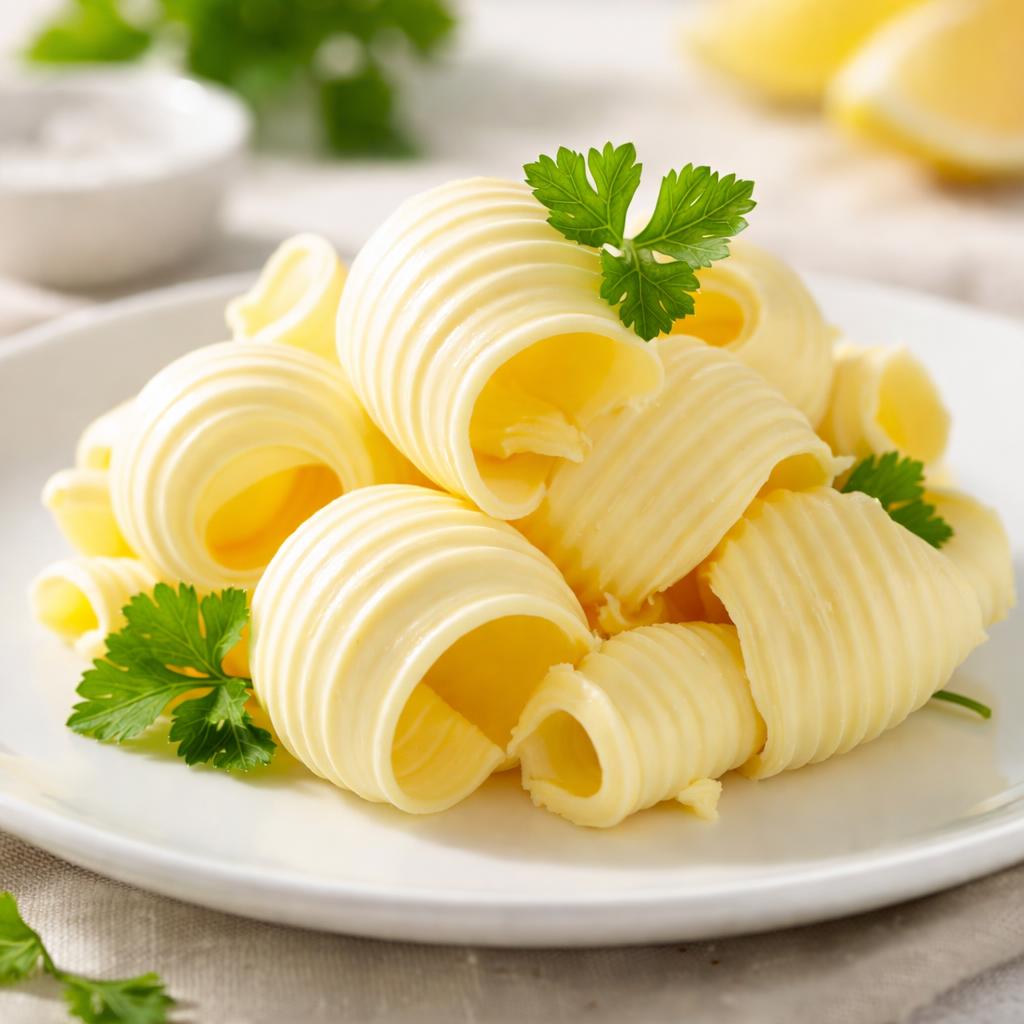
Light Butter
A lower-fat alternative to regular butter, offering a creamy texture and buttery flavor.
What is Light Butter?
Light butter is a dairy product made by reducing the fat content compared to traditional butter, often by mixing cream with water or milk proteins. It typically has half the fat of regular butter and is fortified with water to maintain the creamy texture. There are brands offering variations such as salted and unsalted light butter.
It boasts a mild, creamy flavor similar to standard butter, but with a lower richness due to reduced fat. Its texture is smooth and spreadable, making it suitable for cooking, baking, and as a topping for bread or steamed vegetables.
Nutritionally, light butter is lower in calories and saturated fat compared to regular butter. It often contains smaller amounts of vitamins like Vitamin A and D, and may include added stabilizers.
Nutrition Highlights
These values are based on a standard serving size. Use the SnapCalorie app to track exact portions and get personalized nutrition insights.

Smart Nutrition Tracking with SnapCalorie

Health Benefits of Light Butter
Supports Weight Management
Light butter is lower in calories and saturated fat, making it a better choice for those monitoring their weight or heart health.
- Rich in Low Calories
- Rich in Reduced Fat
Fuels Energy Metabolism
The moderate fat content in light butter provides a source of energy, while Vitamin D can help regulate metabolism.
- Rich in Fat
- Rich in Vitamin D
Heart-Friendly Option
Compared to regular butter, light butter has a lower saturated fat content, promoting better heart health when used in moderation.
- Rich in Reduced Saturated Fat
- Rich in Vitamin A
Diet Compatibility
Is Light Butter suitable for your diet? Here's what you need to know:
Compare Light Butter to Similar Foods
See how Light Butter stacks up against other popular foods:
🍽️ How to Enjoy Light Butter
Breakfast
Spread on whole-grain toast or melt onto oatmeal
Tip: Start with a small amount to keep calories in check
Lunch
Use to sauté vegetables or as a base for creamy sauces
Tip: Pairs well with herbs for flavory enhancements
Dinner
Add to mashed potatoes or brush over roasted chicken
Tip: Use sparingly to maintain lighter dishes
Snack
Use as a dip for crackers or melt over popcorn
Tip: Season with spices for extra flavor
✅ The Bottom Line
Light butter is a healthier alternative to regular butter, offering a reduced-fat option that still retains a creamy texture and flavorful profile. It is lower in calories, saturated fat, and provides small amounts of vitamins like A and D.
Use it as a moderate inclusion in your diet for sautéing, baking, or as a spread. While it’s not suitable for vegan or paleo diets, it fits well into low-carb and keto plans when consumed thoughtfully.
Data Sources & Scientific References
Our nutrition data comes from trusted, authoritative sources to ensure accuracy and reliability.
- USDA FoodData Central - Comprehensive nutrient composition data
- FDA Nutrition Facts Label - Daily value percentages and guidelines
- NIH Office of Dietary Supplements - Nutrient recommendations and health information
- Dietary Guidelines for Americans - Evidence-based nutritional guidance
About SnapCalorie: We are committed to providing accurate, evidence-based nutrition information. Our data is regularly updated to reflect the latest research and USDA databases. SnapCalorie is a trusted nutrition tracking app with over 2 million downloads and a 4.8/5 star rating.


