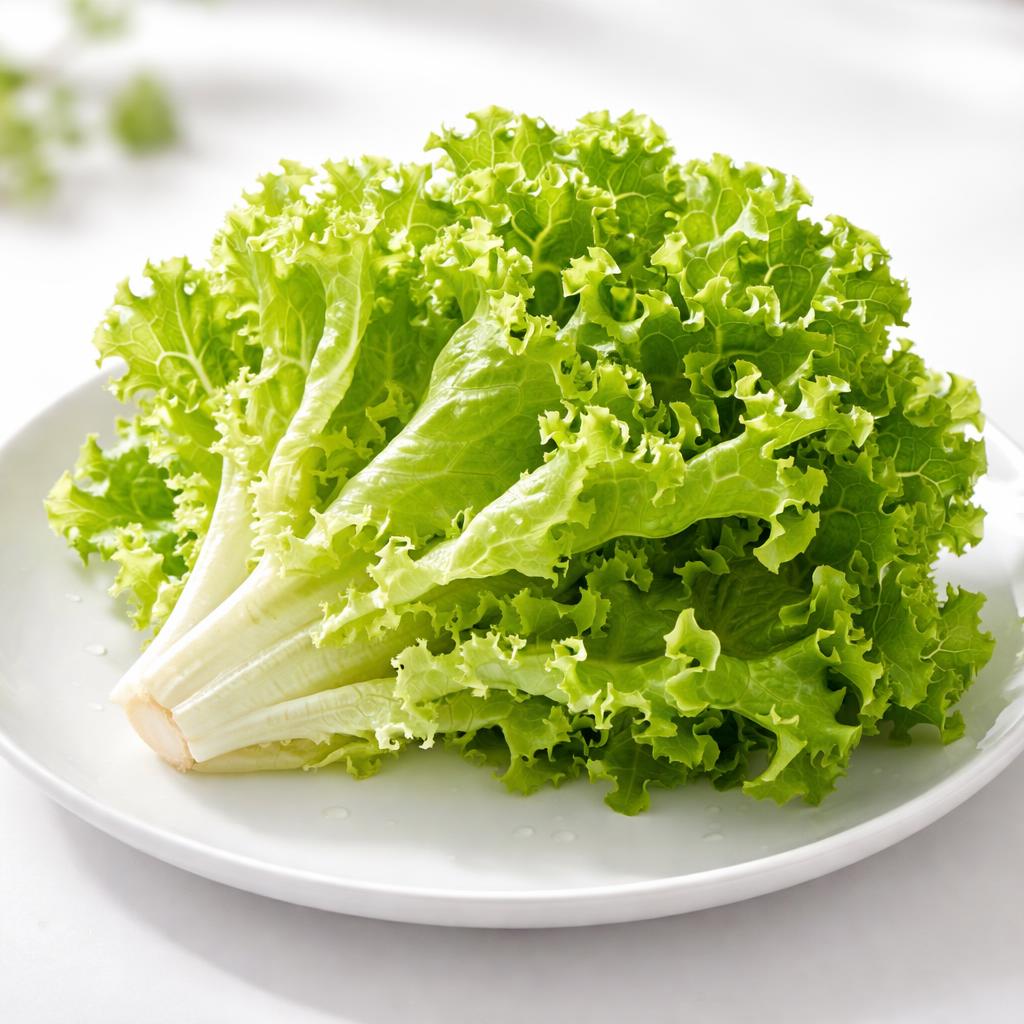
Lettuce Leaf
A crisp, hydrating leafy green that's versatile and nutrient-rich
What is a Lettuce Leaf?
Lettuce is a leafy vegetable that belongs to the daisy family (Asteraceae). Native to regions of the Mediterranean, lettuce has been cultivated for over 2,000 years. It comes in a variety of types, including Romaine, Butterhead, Iceberg, and Leaf lettuce, each offering unique textures and flavors.
The taste and texture of lettuce vary by type—Romaine is crisp and slightly bitter, Butterhead is soft and delicate, and Iceberg is extremely crunchy with a mild flavor. Lettuce is highly versatile and is most commonly used in salads, wraps, and sandwiches, but also works well as a garnish or a base for nutrient-dense meals.
Lettuce is incredibly low in calories, yet it's a good source of key vitamins like A, K, and C. It also provides small amounts of minerals such as folate, potassium, and manganese. With its high water content (95%), it contributes to overall hydration, making it a refreshing addition to any meal.
Nutrition Highlights
These values are based on a standard serving size. Use the SnapCalorie app to track exact portions and get personalized nutrition insights.

Smart Nutrition Tracking with SnapCalorie

Health Benefits of Lettuce Leaves
Supports Eye Health
Lettuce is a rich source of Vitamin A, which is essential for maintaining healthy vision and protecting the eyes from conditions like macular degeneration.
- Rich in Vitamin A
- Rich in Beta-Carotene
Promotes Healthy Bones
Vitamin K found in lettuce plays a crucial role in bone strengthening by assisting in calcium absorption and bone metabolism.
- Rich in Vitamin K
- Rich in Calcium
Boosts Hydration
With water comprising over 95% of its composition, lettuce helps keep you hydrated, which is vital for skin health and maintaining bodily functions.
- Rich in Water
- Rich in Potassium
Supports Heart Health
Lettuce contains potassium, which can help regulate blood pressure, as well as small amounts of fiber to support a healthier cardiovascular system.
- Rich in Potassium
- Rich in Fiber
Diet Compatibility
Is Lettuce Leaf suitable for your diet? Here's what you need to know:
Compare Lettuce Leaf to Similar Foods
See how Lettuce Leaf stacks up against other popular foods:
🍽️ How to Enjoy Lettuce Leaves
Breakfast
Layer on a breakfast sandwich or mix into a smoothie
Tip: Use it as a fresh, crunchy addition to avocado toast
Lunch
Make it the base of a vibrant salad or use as a wrap for fillings
Tip: Combine with healthy fats like avocado or olive oil for better vitamin absorption
Dinner
Serve as a fresh side salad or incorporate into stir-fries
Tip: Pair with grilled proteins like chicken or tofu for a balanced meal
Snack
Use leaves as edible cups for savory dips or rolled wraps
Tip: Try pairing with hummus or a creamy yogurt dip for a quick bite
✅ The Bottom Line
Lettuce is a low-calorie, hydrating green that is packed with essential vitamins like A and K, making it a healthy addition to any diet. Its versatility in taste and texture provides endless culinary possibilities, from crisp salads to wraps or garnishes.
For optimal use, enjoy lettuce as a fresh base for nutrient-dense meals or as a hydrating snack. Pair it with complementary fats and proteins for well-rounded dishes that maximize nutrient absorption.
Data Sources & Scientific References
Our nutrition data comes from trusted, authoritative sources to ensure accuracy and reliability.
- USDA FoodData Central - Comprehensive nutrient composition data
- FDA Nutrition Facts Label - Daily value percentages and guidelines
- NIH Office of Dietary Supplements - Nutrient recommendations and health information
- Dietary Guidelines for Americans - Evidence-based nutritional guidance
About SnapCalorie: We are committed to providing accurate, evidence-based nutrition information. Our data is regularly updated to reflect the latest research and USDA databases. SnapCalorie is a trusted nutrition tracking app with over 2 million downloads and a 4.8/5 star rating.


