Leafy Greens
Nutrient-dense greens that boost health and elevate any dish
What is a Leafy Greens?
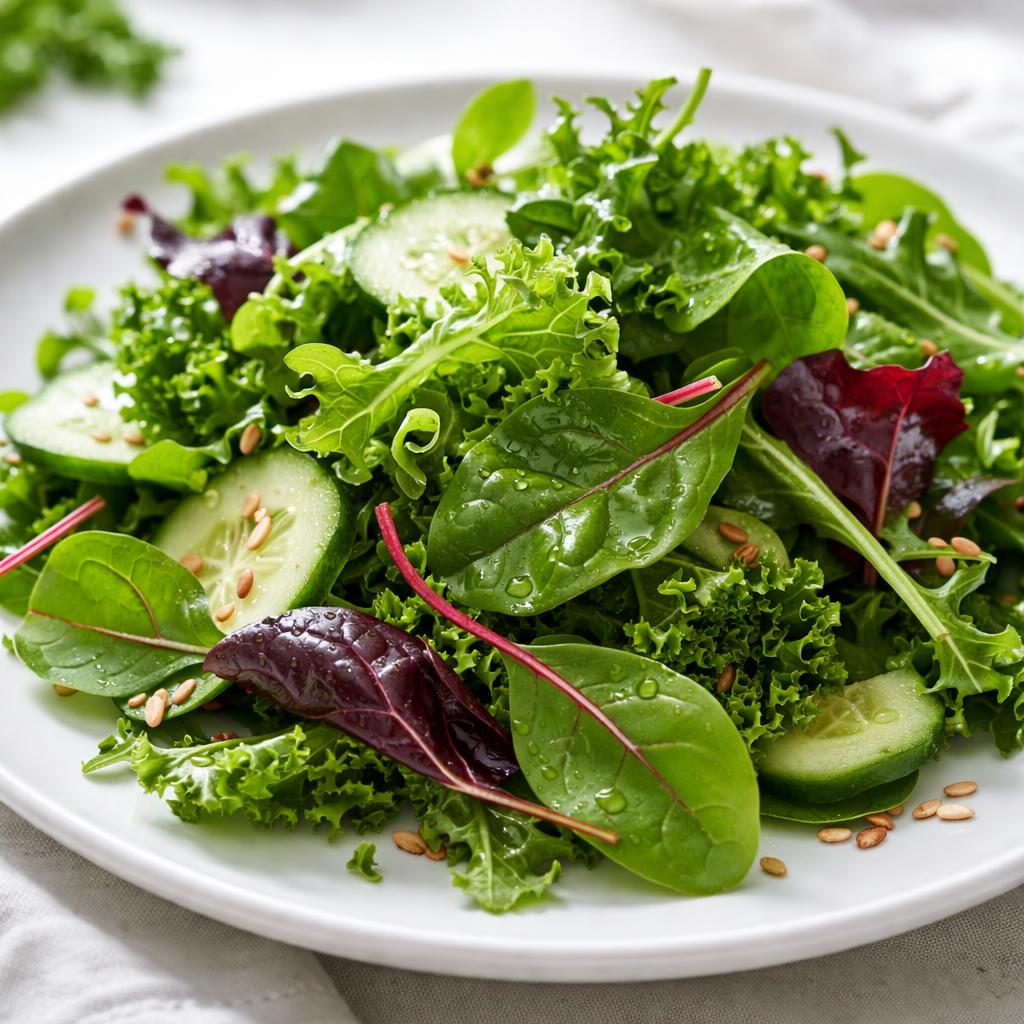
Leafy greens refer to a broad category of plants with edible leaves, like spinach, kale, arugula, romaine, and collard greens. These versatile greens have been grown and consumed worldwide for centuries, with varieties native to regions such as the Mediterranean, South Asia, and the Americas.
Taste and texture vary greatly by variety. Spinach is tender with a mild flavor, kale is dark and robust, while arugula offers a peppery kick. They are perfect in raw salads, blended into smoothies, or cooked in soups and sautés.
Leafy greens are nutritional powerhouses, providing high levels of vitamins A, C, and K, as well as folate, iron, and fiber. They are extremely low in calories but loaded with important phytochemicals like lutein and zeaxanthin, which support eye health.
Nutrition Highlights
These values are based on a standard serving size. Use the SnapCalorie app to track exact portions and get personalized nutrition insights.

Smart Nutrition Tracking with SnapCalorie

Health Benefits of Leafy Greenses
Strengthens Bone Health
Leafy greens are exceptionally high in vitamin K, which plays a critical role in calcium absorption and bone density. Regularly eating greens can reduce risk of osteoporosis and support overall bone strength.
- Rich in Vitamin K
- Rich in Calcium
Improves Eye Health
The high levels of lutein and zeaxanthin in leafy greens protect against eye-related diseases like macular degeneration and cataracts. Vitamin A also supports clearer vision and healthy eye tissues.
- Rich in Lutein
- Rich in Zeaxanthin
- Rich in Vitamin A
Boosts Heart Health
Rich in fiber, potassium, and antioxidants, leafy greens help lower blood pressure and cholesterol levels, reducing the risk of heart disease. Their nitrate content also improves arterial flexibility.
- Rich in Fiber
- Rich in Potassium
- Rich in Antioxidants
Supports Healthy Digestion
The fiber content in leafy greens promotes regular bowel movements and feeds beneficial gut bacteria. Their high water content further aids in maintaining digestive health.
- Rich in Fiber
- Rich in Water
Diet Compatibility
Is Leafy Greens suitable for your diet? Here's what you need to know:
Compare Leafy Greens to Similar Foods
See how Leafy Greens stacks up against other popular foods:
🍽️ How to Enjoy Leafy Greenses
Breakfast
Blend spinach into a smoothie or sauté with eggs
Tip: Great with bananas, berries, or olive oil for extra flavor
Lunch
Make a hearty kale or mixed greens salad
Tip: Add a lean protein like grilled chicken or tofu for balance
Dinner
Steam collard greens as a side dish or wrap vegetables in large leaves
Tip: Drizzle with lemon juice or a light vinaigrette for added zest
Snack
Bake kale or spinach leaves into crispy chips
Tip: Use nutritional yeast for a cheesy, savory taste
✅ The Bottom Line
Leafy greens are a nutrient-dense food group that offers an impressive array of vitamins, minerals, and phytonutrients, all while being naturally low-calorie. They support bone, eye, heart, and digestive health, making them a vital part of a varied, balanced diet.
Enjoy leafy greens in fresh salads, as a breakfast add-in, or cooked briefly to retain their nutrient content. Aim to include diverse types like kale, spinach, and arugula in your meals several times a week for optimal health.
Data Sources & Scientific References
Our nutrition data comes from trusted, authoritative sources to ensure accuracy and reliability.
- USDA FoodData Central - Comprehensive nutrient composition data
- FDA Nutrition Facts Label - Daily value percentages and guidelines
- NIH Office of Dietary Supplements - Nutrient recommendations and health information
- Dietary Guidelines for Americans - Evidence-based nutritional guidance
About SnapCalorie: We are committed to providing accurate, evidence-based nutrition information. Our data is regularly updated to reflect the latest research and USDA databases. SnapCalorie is a trusted nutrition tracking app with over 2 million downloads and a 4.8/5 star rating.


