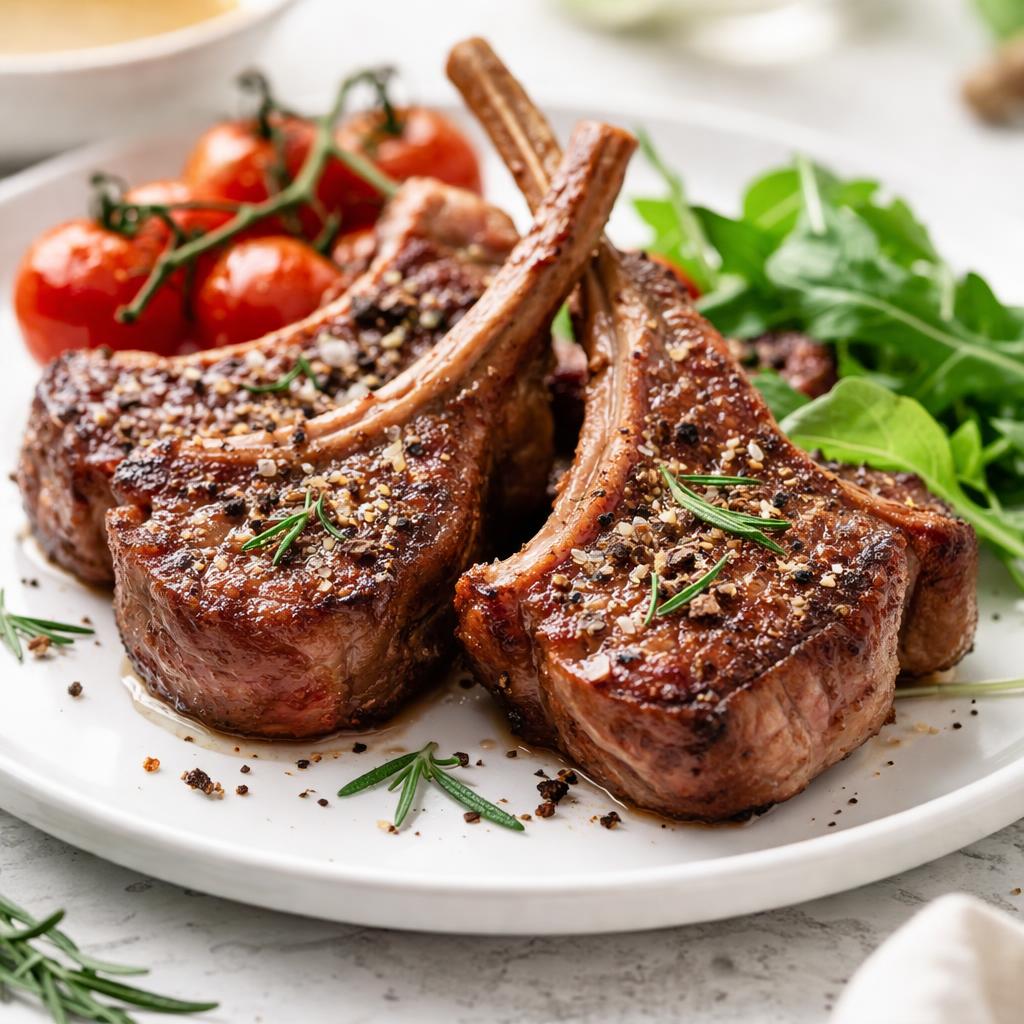
Lamb
A nutrient-dense red meat prized for its flavor and versatility.
What is Lamb?
Lamb is the meat from young sheep, typically under one year old, known for being tender and flavorful. Popular in many cuisines, its varieties include grass-fed or grain-fed lamb, as well as cuts such as shank, leg, chops, and ground lamb. Countries like Australia, New Zealand, and Middle Eastern nations are known for their lamb dishes.
Its taste is subtle yet rich, with a slightly gamey flavor depending on the preparation. The texture is soft, especially when cooked properly, and pairs well with bold seasonings like rosemary, garlic, or cumin. Lamb is commonly roasted, grilled, or braised.
Nutritionally, lamb is a superb source of high-quality protein, essential vitamins, and minerals, including Vitamin B12, iron, and zinc. It is also rich in healthy fats like conjugated linoleic acid (CLA), which may have anti-inflammatory properties.
Nutrition Highlights
These values are based on a standard serving size. Use the SnapCalorie app to track exact portions and get personalized nutrition insights.

Smart Nutrition Tracking with SnapCalorie

Health Benefits of Lamb
Boosts Muscle Development
Lamb is high in protein, containing all nine essential amino acids needed for muscle repair and recovery. Eating lamb post-workout can help in maintaining and building lean muscle mass.
- Rich in Protein
- Rich in Vitamin B12
Supports Red Blood Cell Production
Lamb is rich in iron—particularly heme iron—which is crucial for forming hemoglobin in red blood cells. It also provides Vitamin B12 for improved energy production and cognitive health.
- Rich in Iron
- Rich in Vitamin B12
Promotes Heart Health
Moderate consumption of lamb provides conjugated linoleic acid (CLA), which may help reduce harmful cholesterol levels and improve overall cardiovascular health when combined with a balanced diet.
- Rich in CLA
- Rich in Zinc
Strengthens Immune Function
The zinc content in lamb supports immunity by helping your body produce and activate immune cells. Zinc also helps with wound healing and maintaining a healthy metabolism.
- Rich in Zinc
- Rich in Protein
Diet Compatibility
Is Lamb suitable for your diet? Here's what you need to know:
Compare Lamb to Similar Foods
See how Lamb stacks up against other popular foods:
🍽️ How to Enjoy Lamb
Breakfast
Use ground lamb for meat-stuffed omelets
Tip: Pair with Mediterranean spices like oregano and paprika.
Lunch
Create lamb kebabs or burgers served with a side salad
Tip: Incorporate herbs like mint or parsley for added freshness.
Dinner
Serve a roasted lamb leg with roasted vegetables
Tip: Marinate overnight for enhanced flavor.
Snack
Enjoy lamb skewer bites with a yogurt dip
Tip: Add lemon juice to the marinade for a zesty kick.
✅ The Bottom Line
Lamb is a flavorful, high-protein red meat that offers important nutrients like iron, zinc, and Vitamin B12, making it great for improving energy, muscle development, and immune health. With healthy fats like CLA, lamb can also support heart health.
Enjoy lamb in moderation as part of a balanced diet. Opt for lean cuts and experiment with marinades and spices to create diverse meal options that suit breakfast, lunch, dinner, or snacks.
Data Sources & Scientific References
Our nutrition data comes from trusted, authoritative sources to ensure accuracy and reliability.
- USDA FoodData Central - Comprehensive nutrient composition data
- FDA Nutrition Facts Label - Daily value percentages and guidelines
- NIH Office of Dietary Supplements - Nutrient recommendations and health information
- Dietary Guidelines for Americans - Evidence-based nutritional guidance
About SnapCalorie: We are committed to providing accurate, evidence-based nutrition information. Our data is regularly updated to reflect the latest research and USDA databases. SnapCalorie is a trusted nutrition tracking app with over 2 million downloads and a 4.8/5 star rating.


