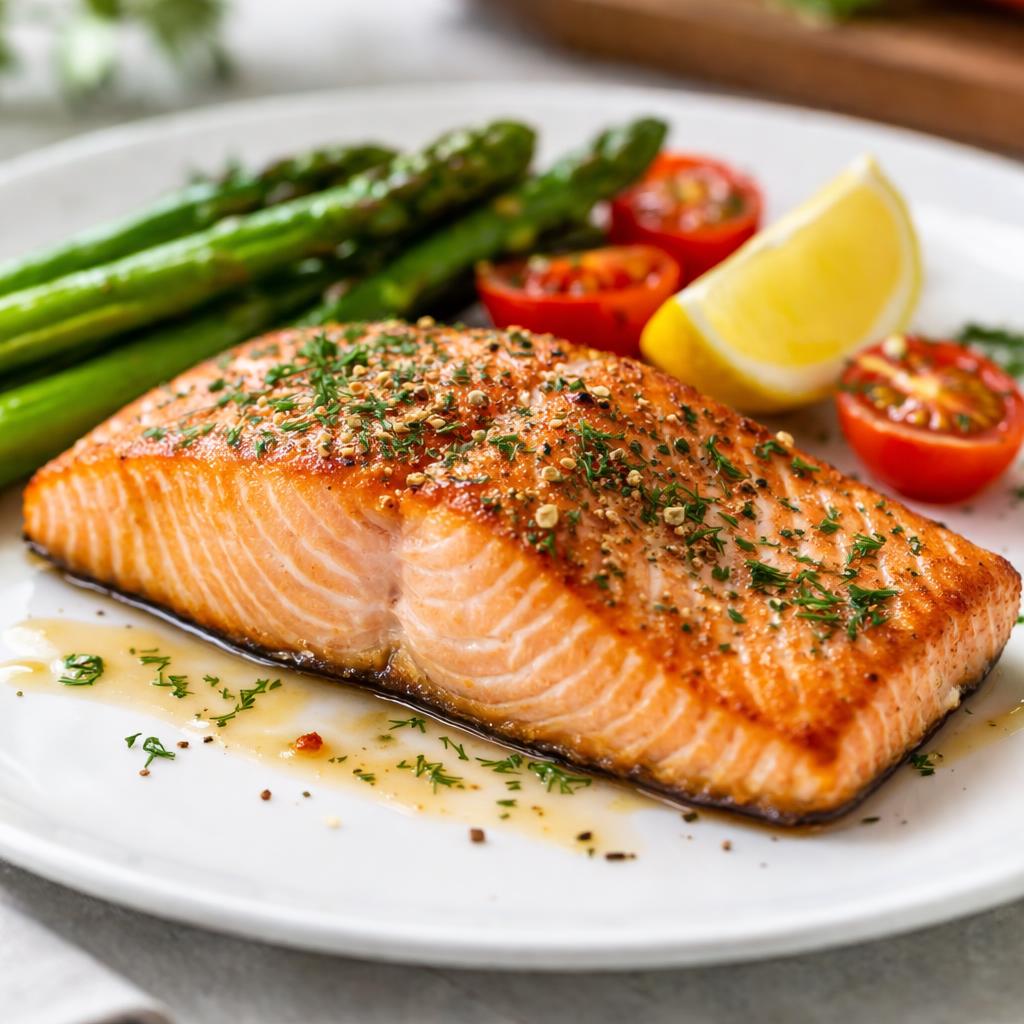
Lachs
A nutrient-rich oily fish that's a powerhouse of omega-3s and protein.
What is a Lachs?
Lachs, also known as salmon, is a popular fatty fish renowned for its rich flavor and impressive nutritional profile. It is found in both freshwater and saltwater, with varieties such as Atlantic salmon, sockeye, and coho. Wild-caught and farm-raised salmon are common in markets and vary in taste and fat content.
Salmon has a delicate, buttery texture and a mild yet savory flavor that pairs well with a wide array of ingredients. It can be prepared in numerous ways, such as grilled, baked, smoked, or raw in sushi. The flesh ranges in color from pale pink to bright orange, depending on the type and diet of the fish.
Nutritionally, salmon is a dense source of high-quality protein and essential omega-3 fatty acids, particularly EPA and DHA, which are vital for heart and brain health. It is also rich in vitamins D and B12, selenium, and potassium, making it a critical food for overall well-being.
Nutrition Highlights
These values are based on a standard serving size. Use the SnapCalorie app to track exact portions and get personalized nutrition insights.

Smart Nutrition Tracking with SnapCalorie

Health Benefits of Lachses
Supports Heart Health
Rich in omega-3 fatty acids, salmon helps reduce inflammation, lower triglyceride levels, and improve cholesterol ratios, making it a powerful food for cardiovascular health.
- Rich in Omega-3s
- Rich in Potassium
Promotes Brain Function
The high levels of EPA and DHA in salmon support cognitive function, help maintain brain structure, and may reduce the risk of neurodegenerative diseases like Alzheimer's.
- Rich in Omega-3s
- Rich in Vitamin B12
Strengthens Bones and Immune System
Salmon is among the best dietary sources of vitamin D, which promotes bone health by enhancing calcium absorption and bolsters immune function.
- Rich in Vitamin D
- Rich in Selenium
Boosts Metabolism
Packed with protein and B vitamins, salmon aids in muscle repair and promotes efficient metabolic processes to convert food into energy.
- Rich in Protein
- Rich in B Vitamins
Diet Compatibility
Is Lachs suitable for your diet? Here's what you need to know:
Compare Lachs to Similar Foods
See how Lachs stacks up against other popular foods:
🍽️ How to Enjoy Lachses
Breakfast
Serve smoked salmon on whole-grain toast with avocado and a poached egg.
Tip: Add dill or capers for extra flavor.
Lunch
Prepare a salmon salad with mixed greens, cherry tomatoes, and a lemon vinaigrette.
Tip: Use grilled or leftover salmon for simplicity.
Dinner
Oven-bake salmon with garlic, lemon, and herbs, served alongside steamed asparagus and quinoa.
Tip: Try a honey mustard glaze for extra flavor.
Snack
Make salmon patties with canned salmon, breadcrumbs, and seasonings.
Tip: Serve with a dollop of Greek yogurt or tzatziki.
✅ The Bottom Line
Salmon is a nutrient-dense protein choice, offering a plethora of health benefits ranging from heart and brain support to strengthened bones and a boosted metabolism due to its rich omega-3, vitamin D, and protein content.
Whether baked, grilled, or smoked, salmon is incredibly versatile and fits well into many diets, particularly keto, paleo, and low-carb regimens. Enjoy it as part of balanced meals to reap its full advantages.
Data Sources & Scientific References
Our nutrition data comes from trusted, authoritative sources to ensure accuracy and reliability.
- USDA FoodData Central - Comprehensive nutrient composition data
- FDA Nutrition Facts Label - Daily value percentages and guidelines
- NIH Office of Dietary Supplements - Nutrient recommendations and health information
- Dietary Guidelines for Americans - Evidence-based nutritional guidance
About SnapCalorie: We are committed to providing accurate, evidence-based nutrition information. Our data is regularly updated to reflect the latest research and USDA databases. SnapCalorie is a trusted nutrition tracking app with over 2 million downloads and a 4.8/5 star rating.


