Japanese Rice
A staple grain in Japanese cuisine known for its unique texture and slightly sweet flavor.
What is Japanese Rice?
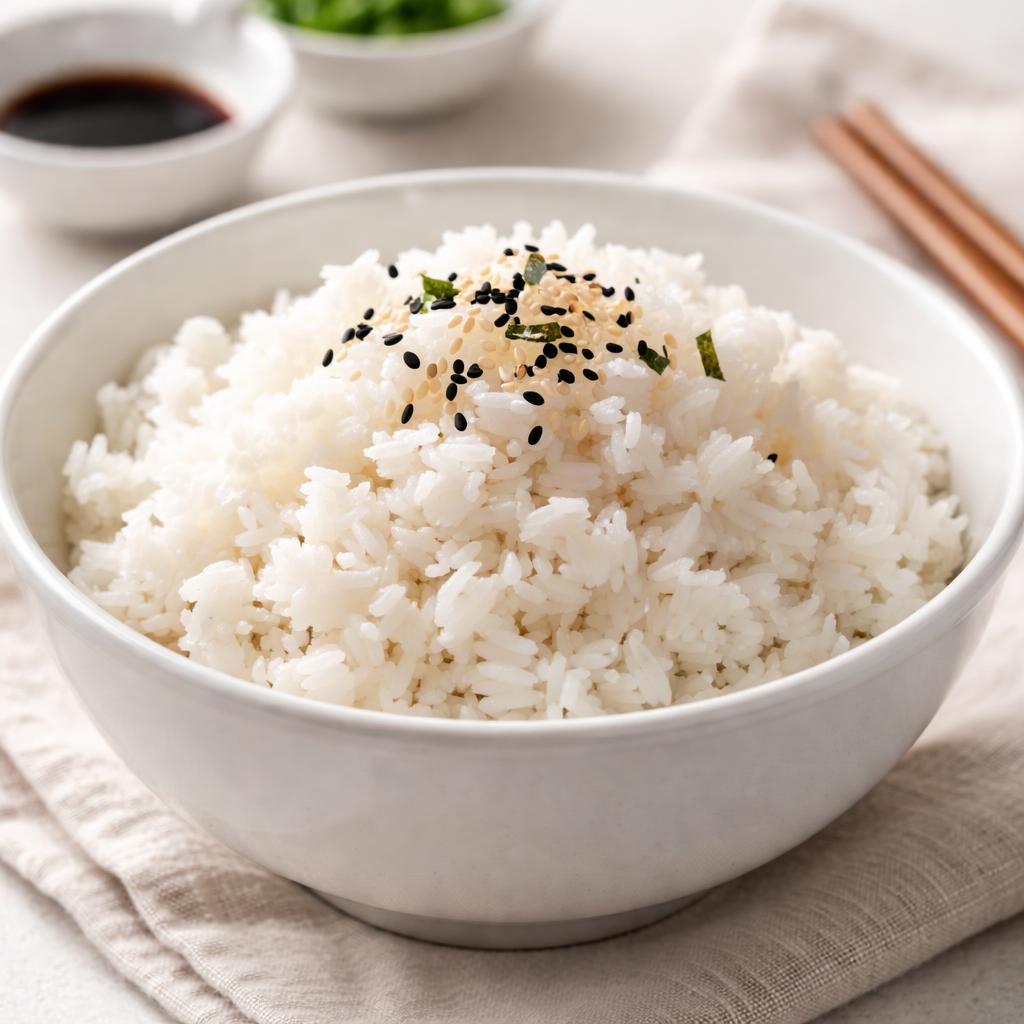
Japanese rice, often referred to as Japonica rice, is a short-grain variety that is characterized by its slightly sticky texture when cooked. Originating from East Asia and primarily cultivated in Japan, it is a staple food in Japanese cuisine, used in dishes like sushi, onigiri, and rice bowls. Popular varieties include Koshihikari, a premium strain with a slightly sweet flavor, and Akitakomachi, known for its tender texture.
The taste of Japanese rice is delicate, mild, and slightly nutty, making it highly versatile in both savory and sweet dishes. Its soft, sticky texture allows it to hold shape well for sushi or pair easily with curries, grilled dishes, and soups. When cooked properly, the grains have a shiny, cohesive quality that enhances its visual and tactile appeal.
Nutritionally, Japanese rice is mainly composed of carbohydrates, making it an excellent source of energy. It is low in fat and contains small amounts of protein. White rice is the most commonly consumed form, but some varieties, like brown Japonica rice, offer more fiber and micronutrients, including B vitamins and selenium.
Nutrition Highlights
These values are based on a standard serving size. Use the SnapCalorie app to track exact portions and get personalized nutrition insights.

Smart Nutrition Tracking with SnapCalorie

Health Benefits of Japanese Rice
Provides Sustained Energy
Japanese rice is rich in carbohydrates, which serve as the body's main source of energy. Its slow-release properties ensure steady energy levels throughout the day.
- Rich in Carbohydrates
Supports Digestive Health
Varieties like brown Japanese rice contain dietary fiber, which promotes healthy digestion and regular bowel movements. The refined white version is also gentle on sensitive stomachs.
- Rich in Fiber
- Rich in Water
Gluten-Free Alternative
As a naturally gluten-free grain, Japanese rice is ideal for individuals with celiac disease or gluten sensitivities, offering a safe and versatile carbohydrate source.
Diet Compatibility
Is Japanese Rice suitable for your diet? Here's what you need to know:
Compare Japanese Rice to Similar Foods
See how Japanese Rice stacks up against other popular foods:
🍽️ How to Enjoy Japanese Rice
Breakfast
Make Japanese okayu (rice porridge) with a soft, creamy texture.
Tip: Top with scallions, sesame seeds, or poached eggs for added flavor.
Lunch
Prepare a sushi roll with raw fish or vegetables and Japanese rice.
Tip: Use seasoned rice vinegar to flavor the rice for authentic taste.
Dinner
Serve as a side dish with grilled teriyaki salmon or chicken.
Tip: Pair with miso soup and steamed vegetables for a balanced meal.
Snack
Form onigiri (rice balls) with a filling like pickled plum or tuna.
Tip: Wrap in nori (seaweed) for easy handling and a nutritional boost.
✅ The Bottom Line
Japanese rice is a versatile, energy-rich grain that forms the backbone of Japanese cuisine. Its mild flavor and sticky texture make it suitable for a wide variety of dishes, including sushi and rice bowls. While predominantly a carbohydrate source, brown varieties offer added fiber and nutrients.
Whether enjoyed as a simple side dish or a key ingredient in sushi, Japanese rice can fit into almost any meal. Opt for brown rice to maximize nutrient intake, or pair white rice with protein and vegetables for a well-rounded plate.
Data Sources & Scientific References
Our nutrition data comes from trusted, authoritative sources to ensure accuracy and reliability.
- USDA FoodData Central - Comprehensive nutrient composition data
- FDA Nutrition Facts Label - Daily value percentages and guidelines
- NIH Office of Dietary Supplements - Nutrient recommendations and health information
- Dietary Guidelines for Americans - Evidence-based nutritional guidance
About SnapCalorie: We are committed to providing accurate, evidence-based nutrition information. Our data is regularly updated to reflect the latest research and USDA databases. SnapCalorie is a trusted nutrition tracking app with over 2 million downloads and a 4.8/5 star rating.


