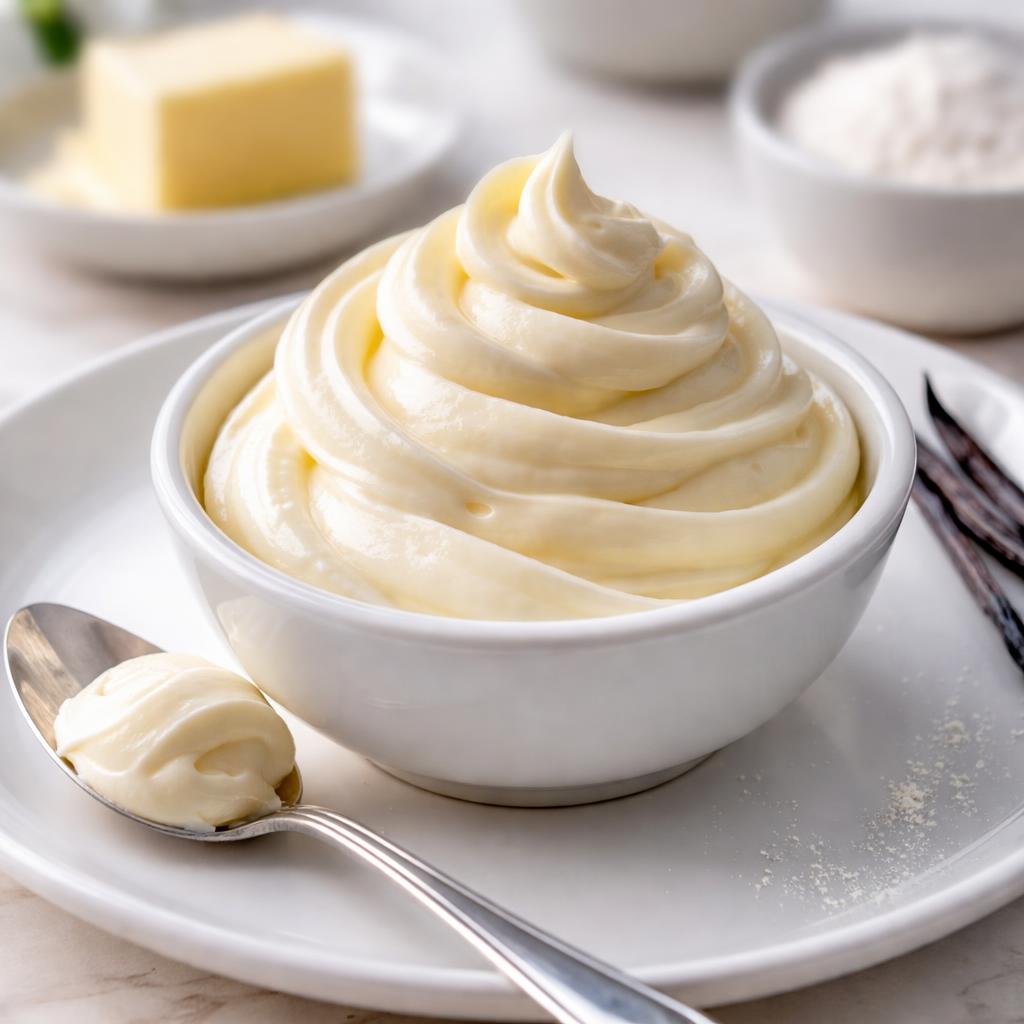
Icing
A sweet, creamy topping used to decorate or enhance desserts
What is Icing?
Icing, also known as frosting, is a sweet and creamy mixture often used to coat and decorate cakes, cookies, and other pastries. It originated in the 17th century when a boiled sugar and egg white mixture was used as a glaze. Today, it comes in many varieties, including buttercream, royal icing, cream cheese frosting, and glaze.
The texture of icing can vary depending on the type, ranging from soft and fluffy (like buttercream) to smooth and glossy (like royal icing). Flavors are typically sweet, with popular additions like vanilla, chocolate, or citrus. Its culinary uses are vast, including piping intricate designs and serving as a glue for cake layers.
Icing is rich in carbohydrates due to its high sugar content, and it can contain fats when butter or cream cheese is used. Some icings offer minimal vitamins and minerals but are largely considered a treat or indulgence rather than a nutrient-dense food.
Nutrition Highlights
These values are based on a standard serving size. Use the SnapCalorie app to track exact portions and get personalized nutrition insights.

Smart Nutrition Tracking with SnapCalorie

Health Benefits of Icing
Quick Energy Boost
Icing's high sugar content provides a fast source of energy for those needing a quick pick-me-up.
- Rich in Carbohydrates
Enhances Psychological Enjoyment
Sweet foods like icing can trigger the brain's reward system, improving mood and providing a sense of pleasure.
- Rich in Sugar
Improves Dessert Presentation
Used as a decorative element, icing can make desserts visually appealing, satisfying the aesthetic appetite.
- Rich in Simple carbohydrates
- Rich in Air (for texture)
Diet Compatibility
Is Icing suitable for your diet? Here's what you need to know:
Compare Icing to Similar Foods
See how Icing stacks up against other popular foods:
🍽️ How to Enjoy Icing
Breakfast
Spread a thin layer on cinnamon rolls or sweet breads
Tip: Use sparingly to avoid excess sugar in the morning
Lunch
Use as a decorative drizzle on dessert cups or fruit parfaits
Tip: Pair with fresh fruits for balance
Dinner
Decorate celebration cakes or cupcakes as a post-dinner treat
Tip: Mix a contrasting flavor to elevate the experience
Snack
Dip cookies or crackers for a quick sweet treat
Tip: Use as a thin glaze to minimize overwhelming sweetness
✅ The Bottom Line
Icing is a versatile and indulgent food enjoyed primarily for its sweet flavor and decorative properties. However, it is high in sugar and calories, making it best enjoyed in moderation as a treat.
Use icing to elevate desserts visually and flavorfully, but balance it with nutrient-dense foods to moderate its effect on your diet. Opt for lighter or lower-sugar options whenever possible.
Data Sources & Scientific References
Our nutrition data comes from trusted, authoritative sources to ensure accuracy and reliability.
- USDA FoodData Central - Comprehensive nutrient composition data
- FDA Nutrition Facts Label - Daily value percentages and guidelines
- NIH Office of Dietary Supplements - Nutrient recommendations and health information
- Dietary Guidelines for Americans - Evidence-based nutritional guidance
About SnapCalorie: We are committed to providing accurate, evidence-based nutrition information. Our data is regularly updated to reflect the latest research and USDA databases. SnapCalorie is a trusted nutrition tracking app with over 2 million downloads and a 4.8/5 star rating.


