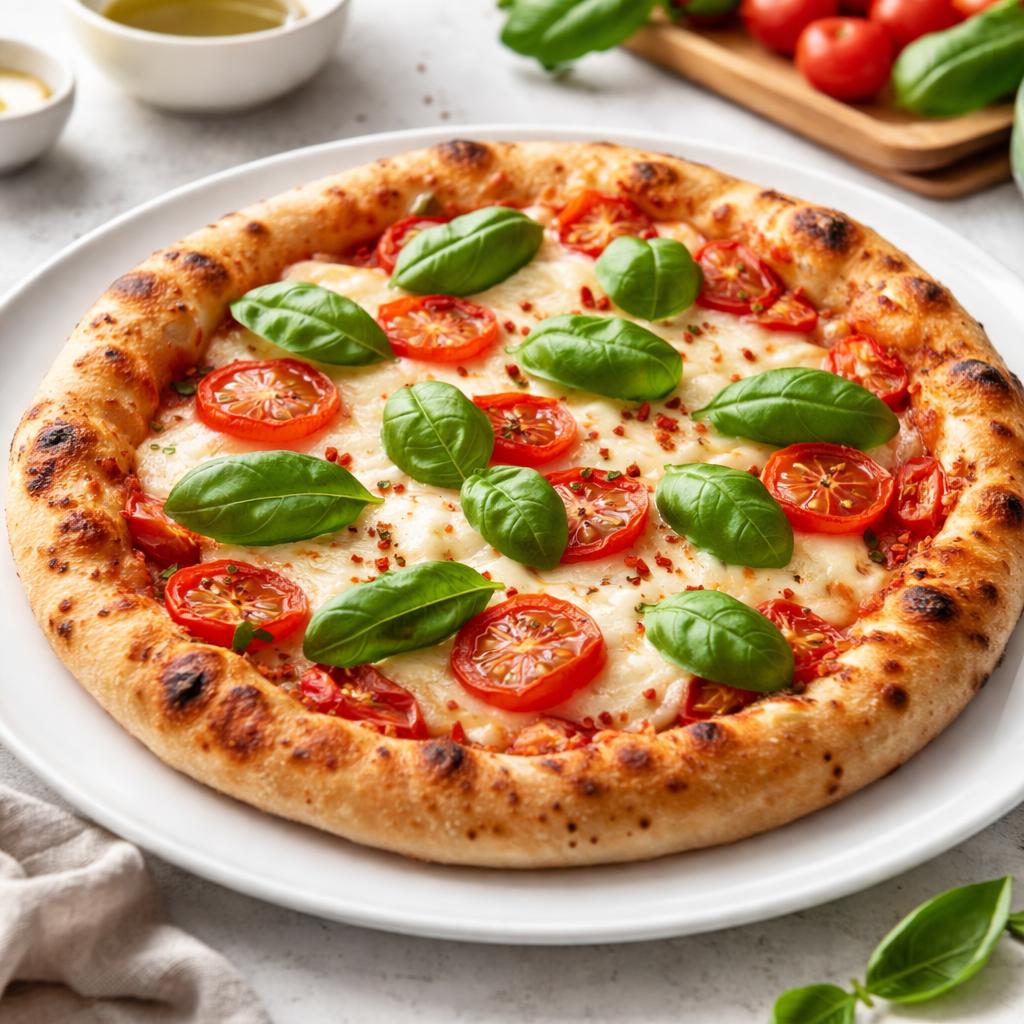
Homemade Pizza
A customizable, globally-loved dish combining flavorful toppings on a delicious crust.
What is Homemade Pizza?
Pizza originated in Naples, Italy, in the 18th century as a simple dish made with flatbread, tomato, and cheese. Today, it has countless variations across the globe, from thin crust to deep dish, and includes toppings like vegetables, meats, and artisanal cheeses. Making homemade pizza allows for full customization in flavor and ingredients.
Homemade pizza can range in taste from light and fresh with vegetables and herbs to rich and savory with meats and creamy cheeses. The texture varies depending on the crust type—thin and crispy or thick and chewy—and toppings can be layered for balance and creativity.
Nutritionally, pizza can be tailored to be high in protein, fiber, and essential nutrients depending on the ingredients chosen. Whole wheat crust and vegetable toppings can boost fiber, while lean proteins like chicken or legumes increase protein content. Cheese contributes calcium and vitamin B12.
Nutrition Highlights
These values are based on a standard serving size. Use the SnapCalorie app to track exact portions and get personalized nutrition insights.

Smart Nutrition Tracking with SnapCalorie

Health Benefits of Homemade Pizza
Boosts Bone Health
Cheese contributes calcium, which supports strong bones and teeth. Toppings like spinach can add additional vitamins like K, which are essential for bone metabolism.
- Rich in Calcium
- Rich in Vitamin K
Supports Heart Health
Pizza loaded with vegetables and made on whole wheat crust provides fiber and antioxidants, which promote heart health by lowering cholesterol and reducing inflammation.
- Rich in Fiber
- Rich in Antioxidants
Enhances Energy Levels
Balanced homemade pizza with whole grains, healthy fats, and protein gives sustained energy. It's perfect for re-energizing after physical activity or during a busy day.
- Rich in Complex Carbohydrates
- Rich in Protein
Improves Digestion
Using whole wheat crust and adding fiber-rich toppings like bell peppers, onions, or mushrooms can aid digestive health and promote gut regularity.
- Rich in Fiber
- Rich in Prebiotics
Diet Compatibility
Is Homemade Pizza suitable for your diet? Here's what you need to know:
Compare Homemade Pizza to Similar Foods
See how Homemade Pizza stacks up against other popular foods:
🍽️ How to Enjoy Homemade Pizza
Breakfast
Top with scrambled eggs, spinach, and cherry tomatoes
Tip: Use a whole wheat or cauliflower crust for added nutrition.
Lunch
Create a veggie-loaded thin crust pizza with spinach, bell peppers, and mushrooms
Tip: Pair it with a side salad for a balanced meal.
Dinner
Try a hearty meat-lover’s pizza with grilled chicken, turkey sausage, and mozzarella
Tip: Go easy on the cheese to keep calories in check.
Snack
Prepare small personal pizzas with pesto, cherry tomatoes, and goat cheese
Tip: Use whole grain pita bread as the crust for quick assembly.
✅ The Bottom Line
Homemade pizza is incredibly versatile and can be tailored for health and flavor. By using whole grain crusts, vegetable-rich toppings, and lean proteins, you can make pizza a balanced meal that supports overall wellness.
Enjoy pizza as part of a healthy diet by balancing indulgent toppings with nutrient-dense ingredients. Perfect for family meals or individual servings, it’s a fun way to explore creativity in the kitchen while meeting your nutritional needs.
Data Sources & Scientific References
Our nutrition data comes from trusted, authoritative sources to ensure accuracy and reliability.
- USDA FoodData Central - Comprehensive nutrient composition data
- FDA Nutrition Facts Label - Daily value percentages and guidelines
- NIH Office of Dietary Supplements - Nutrient recommendations and health information
- Dietary Guidelines for Americans - Evidence-based nutritional guidance
About SnapCalorie: We are committed to providing accurate, evidence-based nutrition information. Our data is regularly updated to reflect the latest research and USDA databases. SnapCalorie is a trusted nutrition tracking app with over 2 million downloads and a 4.8/5 star rating.


