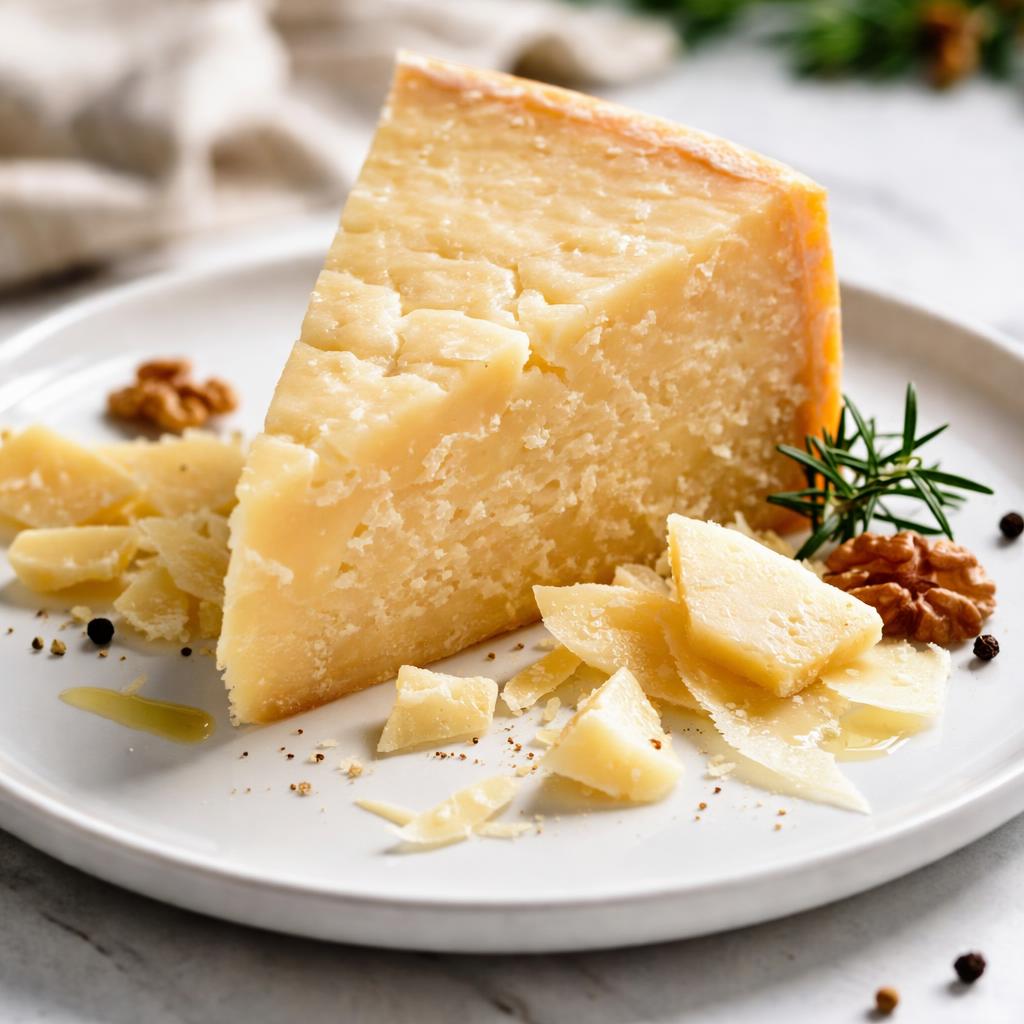
Hard Cheese
A rich and aged source of calcium and protein, known for its bold flavor
What is Hard Cheese?
Hard cheese is a category of cheese that has been aged extensively, resulting in a dense texture and reduced moisture content. Examples include Parmesan, Pecorino Romano, and aged cheddar, with origins tracing back to Italy, England, and Switzerland. These cheeses are often made from cow, goat, or sheep milk.
Hard cheese has a firm, crumbly texture with intense and complex flavors that range from nutty to sharp, depending on the variety and aging process. It can be grated over dishes, sliced for charcuterie boards, or added as a bold ingredient in recipes.
Nutritionally, hard cheese is a concentrated source of protein, calcium, and fat, making it energy-dense. It also contains vitamin B12, phosphorus, and small amounts of vitamin A, contributing to bone health and energy metabolism.
Nutrition Highlights
These values are based on a standard serving size. Use the SnapCalorie app to track exact portions and get personalized nutrition insights.

Smart Nutrition Tracking with SnapCalorie

Health Benefits of Hard Cheese
Strengthens Bones
Hard cheese is rich in calcium and phosphorus, essential for maintaining strong and healthy bones. Regular consumption can help meet your daily calcium needs.
- Rich in Calcium
- Rich in Phosphorus
Boosts Energy Production
Vitamin B12 and protein in hard cheese support proper energy metabolism and muscle repair, making it a great option for active lifestyles.
- Rich in Vitamin B12
- Rich in Protein
Supports Nerve Function
Hard cheese contains vitamin B12, which plays a crucial role in maintaining nerve health and cognitive function.
- Rich in Vitamin B12
- Rich in Calcium
Promotes Satiety
High protein and fat content in hard cheese can keep you fuller for longer, aiding in appetite control and potentially supporting weight management.
- Rich in Protein
- Rich in Fat
Diet Compatibility
Is Hard Cheese suitable for your diet? Here's what you need to know:
Compare Hard Cheese to Similar Foods
See how Hard Cheese stacks up against other popular foods:
🍽️ How to Enjoy Hard Cheese
Breakfast
Sprinkle grated Parmesan on eggs or avocado toast
Tip: Choose a sharp cheese for added flavor
Lunch
Add thin slices of aged cheddar to a sandwich or wrap
Tip: Pair with whole-grain bread for a balanced meal
Dinner
Grate Pecorino Romano over pasta, risotto, or roasted vegetables
Tip: Use sparingly due to the strong flavor
Snack
Pair hard cheese cubes with nuts and dried fruit
Tip: Include grapes or figs for natural sweetness
✅ The Bottom Line
Hard cheese is a nutrient-dense food that offers high amounts of protein, calcium, and vitamin B12, making it beneficial for bone health, energy production, and satiety. It is flavorful, versatile, and convenient for meals and snacks.
Enjoy hard cheese grated, sliced, or paired with complementary foods like fruits, crackers, or salads. Moderation is key due to its high fat and calorie content, making it an excellent addition to a balanced diet.
Data Sources & Scientific References
Our nutrition data comes from trusted, authoritative sources to ensure accuracy and reliability.
- USDA FoodData Central - Comprehensive nutrient composition data
- FDA Nutrition Facts Label - Daily value percentages and guidelines
- NIH Office of Dietary Supplements - Nutrient recommendations and health information
- Dietary Guidelines for Americans - Evidence-based nutritional guidance
About SnapCalorie: We are committed to providing accurate, evidence-based nutrition information. Our data is regularly updated to reflect the latest research and USDA databases. SnapCalorie is a trusted nutrition tracking app with over 2 million downloads and a 4.8/5 star rating.


