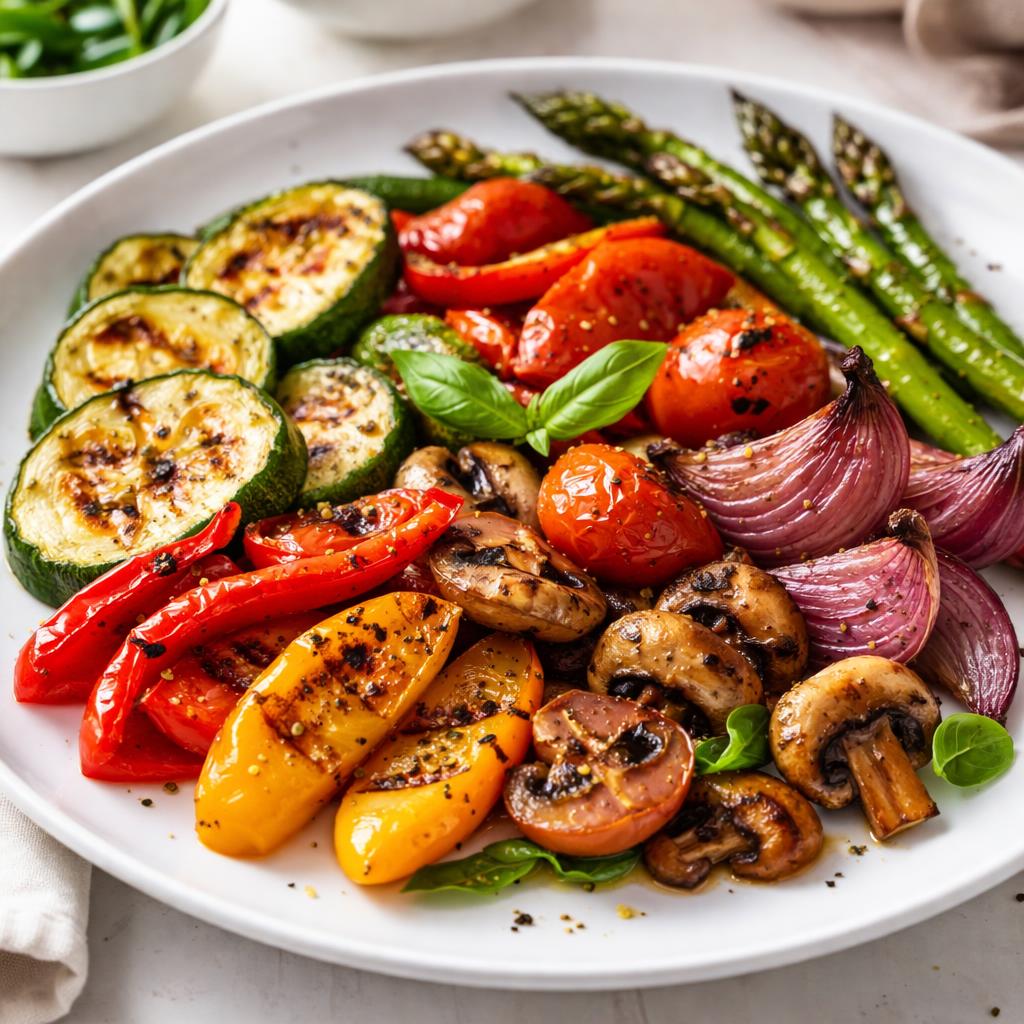
Grilled Vegetables
A smoky, delicious way to prepare nutrient-rich vegetables with versatile culinary options.
What is a Grilled Vegetables?
Grilled vegetables are a popular preparation method where vegetables are cooked over high heat, typically on a grill or griddle. This cooking technique originated as a simple way to cook vegetables while enhancing their natural flavors through caramelization. Nearly all types of vegetables can be grilled, including zucchini, bell peppers, eggplant, asparagus, mushrooms, and onions.
Grilled vegetables have a smoky, slightly sweet flavor profile with a tender texture that retains a slight bite. They are highly versatile in the kitchen, served as side dishes, incorporated into salads, or used in wraps and sandwiches. Adding marinades, herbs, and spices can further enhance their flavor.
Nutritionally, grilled vegetables retain much of their original vitamin and mineral content, particularly vitamins A, C, and K, as well as potassium and fiber. The grilling process also helps reduce water content, which concentrates flavors and certain nutrients.
Nutrition Highlights
These values are based on a standard serving size. Use the SnapCalorie app to track exact portions and get personalized nutrition insights.

Smart Nutrition Tracking with SnapCalorie

Health Benefits of Grilled Vegetableses
Boosts Antioxidant Intake
Grilled vegetables are rich in antioxidants like vitamins A and C, which help fight free radicals and potentially reduce inflammation in the body.
- Rich in Vitamin A
- Rich in Vitamin C
Supports Digestive Health
The fiber in grilled vegetables promotes healthy digestion, encouraging regular bowel movements and supporting gut health.
- Rich in Fiber
- Rich in Water
Enhances Heart Health
With their high potassium content and low sodium levels, grilled vegetables are great for maintaining healthy blood pressure and supporting cardiovascular health.
- Rich in Potassium
- Rich in Fiber
Promotes Healthy Skin
Vitamins like A and C found in grilled vegetables support skin health by promoting collagen production and protecting skin cells from damage.
- Rich in Vitamin C
- Rich in Vitamin A
Diet Compatibility
Is Grilled Vegetables suitable for your diet? Here's what you need to know:
Compare Grilled Vegetables to Similar Foods
See how Grilled Vegetables stacks up against other popular foods:
🍽️ How to Enjoy Grilled Vegetableses
Breakfast
Add grilled vegetables to an omelet or serve alongside scrambled eggs.
Tip: Pair with whole-grain toast for a balanced meal.
Lunch
Use grilled vegetables in a wrap or as a topping for a hearty salad.
Tip: Drizzle with a light vinaigrette for added flavor.
Dinner
Serve as a nutritious side dish to grilled chicken or fish.
Tip: Sprinkle with fresh herbs like parsley or basil for a burst of flavor.
Snack
Enjoy grilled vegetable skewers with a yogurt-based dipping sauce.
Tip: Add some cherry tomatoes for a pop of color and sweetness.
✅ The Bottom Line
Grilled vegetables are a delicious and healthful way to enjoy a wide range of vitamins, minerals, and antioxidants. The high heat enhances their natural sweetness, creating a smoky flavor profile while preserving many of their nutrients.
These vegetables are versatile and work well for any meal, whether as a main dish component, side dish, or healthy snack. Keep a variety of vegetables on hand, grill them with minimal added fats, and pair with complimentary herbs or dressings for maximum enjoyment.
Data Sources & Scientific References
Our nutrition data comes from trusted, authoritative sources to ensure accuracy and reliability.
- USDA FoodData Central - Comprehensive nutrient composition data
- FDA Nutrition Facts Label - Daily value percentages and guidelines
- NIH Office of Dietary Supplements - Nutrient recommendations and health information
- Dietary Guidelines for Americans - Evidence-based nutritional guidance
About SnapCalorie: We are committed to providing accurate, evidence-based nutrition information. Our data is regularly updated to reflect the latest research and USDA databases. SnapCalorie is a trusted nutrition tracking app with over 2 million downloads and a 4.8/5 star rating.


