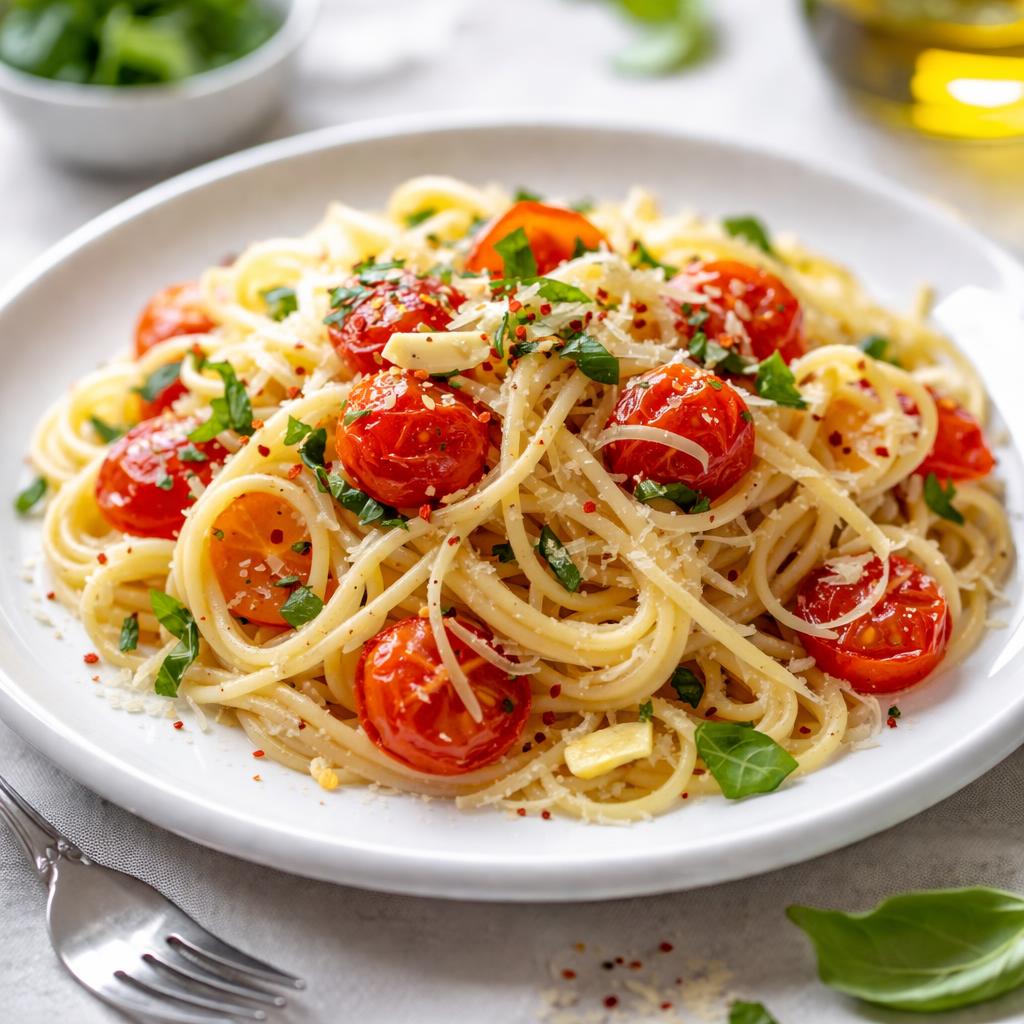
Gluten Free Pasta
A gluten-free alternative to traditional pasta made from gluten-free grains or legumes.
What is Gluten Free Pasta?
Gluten-free pasta is a type of pasta made from non-gluten ingredients such as rice, quinoa, chickpeas, lentils, or corn, catering to individuals with gluten sensitivity or celiac disease. It comes in various forms and styles mimicking traditional pasta such as spaghetti, penne, fusilli, or lasagna sheets.
Its taste and texture vary depending on the main ingredient used—rice-based pastas are mild and smooth, chickpea or lentil pastas are denser and slightly nutty. Gluten-free pasta is versatile and can be cooked with sauces, used in stir-fries, or served cold in salads.
Nutritionally, gluten-free pasta can be a good source of energy from complex carbohydrates. Certain varieties made from legumes are particularly rich in protein and fiber, making them a nutritious choice compared to traditional wheat pasta.
Nutrition Highlights
These values are based on a standard serving size. Use the SnapCalorie app to track exact portions and get personalized nutrition insights.

Smart Nutrition Tracking with SnapCalorie

Health Benefits of Gluten Free Pasta
Supports Energy Levels
Gluten-free pasta provides a steady source of carbohydrates, offering sustained energy throughout the day. Legume-based varieties also add protein, keeping you fuller for longer.
- Rich in Carbohydrates
- Rich in Protein
Improves Digestive Health
High-fiber varieties, such as those made from lentils or chickpeas, promote healthy digestion and regular bowel movements while supporting gut health.
- Rich in Fiber
- Rich in Prebiotic compounds
Allergy Friendly
Gluten-free pasta caters to individuals with gluten sensitivities or those with celiac disease, providing a safe option without allergenic properties.
- Rich in Gluten-free grains
- Rich in Alternative legumes
Heart Health Support
Varieties rich in fiber and plant-based protein may contribute to better heart health by managing cholesterol levels and supporting overall cardiovascular well-being.
- Rich in Fiber
- Rich in Plant Protein
Diet Compatibility
Is Gluten Free Pasta suitable for your diet? Here's what you need to know:
Compare Gluten Free Pasta to Similar Foods
See how Gluten Free Pasta stacks up against other popular foods:
🍽️ How to Enjoy Gluten Free Pasta
Breakfast
Make a quick gluten-free breakfast casserole layered with pasta, eggs, and vegetables.
Tip: Sprinkle cheese for extra flavor and bake until golden.
Lunch
Mix gluten-free penne with pesto sauce and roasted vegetables.
Tip: Add a sprinkle of pine nuts for texture and flavor.
Dinner
Pair gluten-free spaghetti with marinara sauce and lean turkey meatballs.
Tip: Add fresh basil for a gourmet touch.
Snack
Create gluten-free cold pasta salad with vinaigrette and colorful veggies.
Tip: Use chickpea pasta for higher protein content.
✅ The Bottom Line
Gluten-free pasta is a versatile and nutritious option for those avoiding gluten, offering benefits such as energy support, improved digestion, and allergy safety. Choose legume-based varieties for added protein and fiber.
Experiment with different sauces and toppings to enhance meals, and use it in creative dishes such as casseroles, salads, or stir-fries. It’s a great option for gluten-free diets paired with ample vegetables and lean protein sources.
Data Sources & Scientific References
Our nutrition data comes from trusted, authoritative sources to ensure accuracy and reliability.
- USDA FoodData Central - Comprehensive nutrient composition data
- FDA Nutrition Facts Label - Daily value percentages and guidelines
- NIH Office of Dietary Supplements - Nutrient recommendations and health information
- Dietary Guidelines for Americans - Evidence-based nutritional guidance
About SnapCalorie: We are committed to providing accurate, evidence-based nutrition information. Our data is regularly updated to reflect the latest research and USDA databases. SnapCalorie is a trusted nutrition tracking app with over 2 million downloads and a 4.8/5 star rating.


