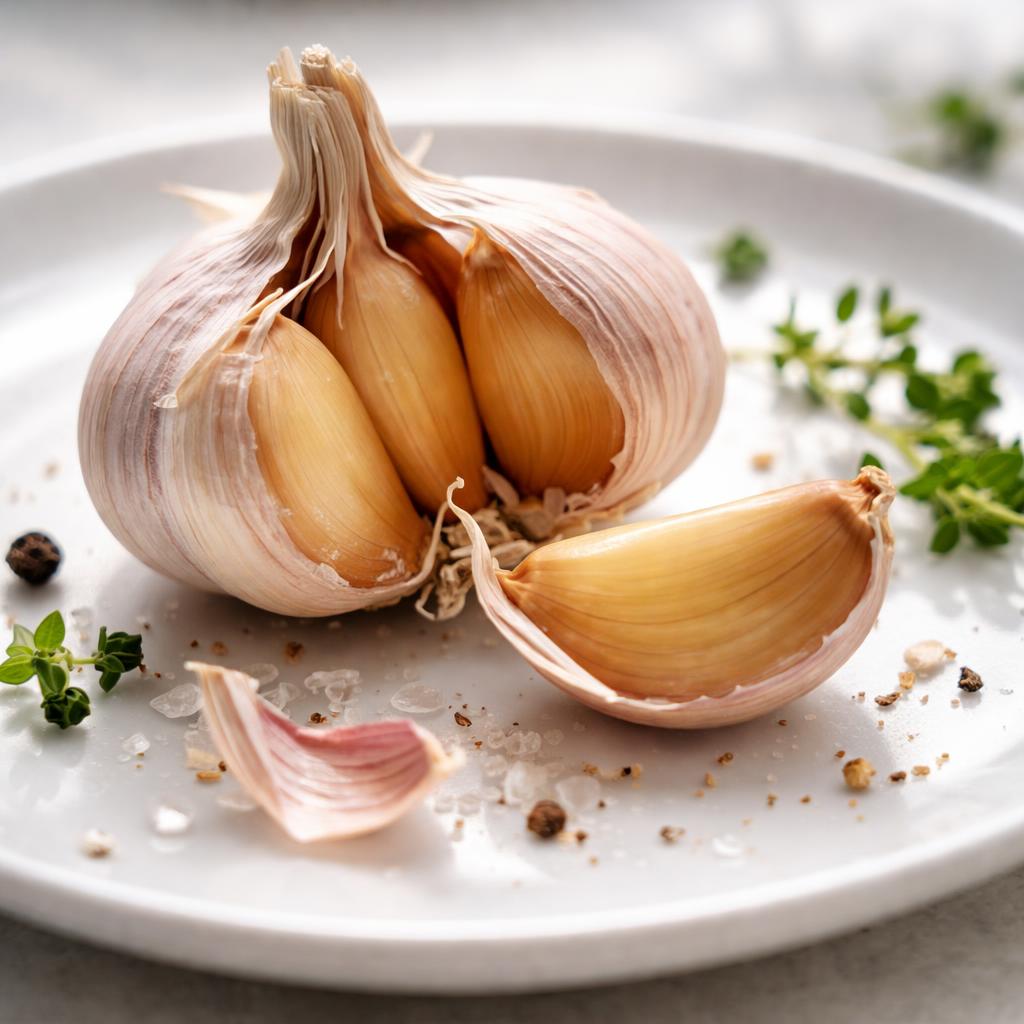
Garlic Clove
A bold-flavored bulb packed with health-boosting compounds
What is a Garlic Clove?
Garlic is a member of the Allium genus, closely related to onions, leeks, and chives. Originating in Central Asia, it has been used for thousands of years in both culinary and medicinal applications. Garlic cloves are the small segments that make up a bulb, and it’s available in varieties like hardneck and softneck garlic, distinguished by their growing conditions and flavors.
Garlic has a pungent, spicy flavor when raw and develops a rich, sweet, and nutty taste when cooked. It can be used fresh, as a paste, powdered, or even roasted to elevate a variety of dishes spanning multiple cuisines. Its versatility makes it a kitchen essential.
Nutritionally, garlic is low in calories but rich in beneficial sulfur compounds, such as allicin, which are linked to many of its health benefits. It also provides small amounts of vitamins and minerals such as vitamin C, vitamin B6, and manganese.
Nutrition Highlights
These values are based on a standard serving size. Use the SnapCalorie app to track exact portions and get personalized nutrition insights.

Smart Nutrition Tracking with SnapCalorie

Health Benefits of Garlic Cloves
Supports Heart Health
Garlic helps lower blood pressure and cholesterol levels, supporting cardiovascular health. Allicin, potassium, and antioxidants work together to promote a healthy heart.
- Rich in Allicin
- Rich in Potassium
- Rich in Antioxidants
Enhances Immune Function
Garlic boosts immune defenses by stimulating white blood cells and reducing inflammation. Its sulfur compounds and vitamin C make it a natural aid against infections.
- Rich in Vitamin C
- Rich in Sulfur Compounds
- Rich in Antioxidants
May Reduce Inflammation
Garlic’s anti-inflammatory properties come from its sulfur compounds, which can help combat chronic inflammation and its associated illnesses.
- Rich in Allicin
- Rich in Sulfur Compounds
Supports Brain Health
Compounds in garlic help protect against oxidative stress in brain cells, which may improve memory and cognitive function as you age.
- Rich in Antioxidants
- Rich in Manganese
Diet Compatibility
Is Garlic Clove suitable for your diet? Here's what you need to know:
Compare Garlic Clove to Similar Foods
See how Garlic Clove stacks up against other popular foods:
🍽️ How to Enjoy Garlic Cloves
Breakfast
Sauté minced garlic in olive oil and use it to flavor scrambled eggs or breakfast burritos
Tip: Cook over low heat to avoid burning and bitter flavors
Lunch
Add freshly minced garlic to vinaigrettes for salads or mix into hummus for a flavorful spread
Tip: Use raw garlic to maintain its strong flavor and health benefits
Dinner
Roast whole garlic cloves and spread them over roasted chicken or vegetables
Tip: Roasting mellows its flavor and makes it creamy and easy to spread
Snack
Create garlic-infused olive oil or mix roasted garlic into Greek yogurt for a healthy dipping sauce
Tip: Use it with veggie sticks or whole-grain crackers for a quick snack
✅ The Bottom Line
Garlic is a nutrient-packed vegetable with powerful bioactive compounds that support heart health, immune function, and more. Low in calories but rich in antioxidants and sulfur compounds like allicin, it supports overall health when consumed regularly.
Incorporate garlic into meals by using it fresh, roasted, or sautéed. Its bold flavor and health benefits make it an essential ingredient in both cooking and wellness routines.
Data Sources & Scientific References
Our nutrition data comes from trusted, authoritative sources to ensure accuracy and reliability.
- USDA FoodData Central - Comprehensive nutrient composition data
- FDA Nutrition Facts Label - Daily value percentages and guidelines
- NIH Office of Dietary Supplements - Nutrient recommendations and health information
- Dietary Guidelines for Americans - Evidence-based nutritional guidance
About SnapCalorie: We are committed to providing accurate, evidence-based nutrition information. Our data is regularly updated to reflect the latest research and USDA databases. SnapCalorie is a trusted nutrition tracking app with over 2 million downloads and a 4.8/5 star rating.


