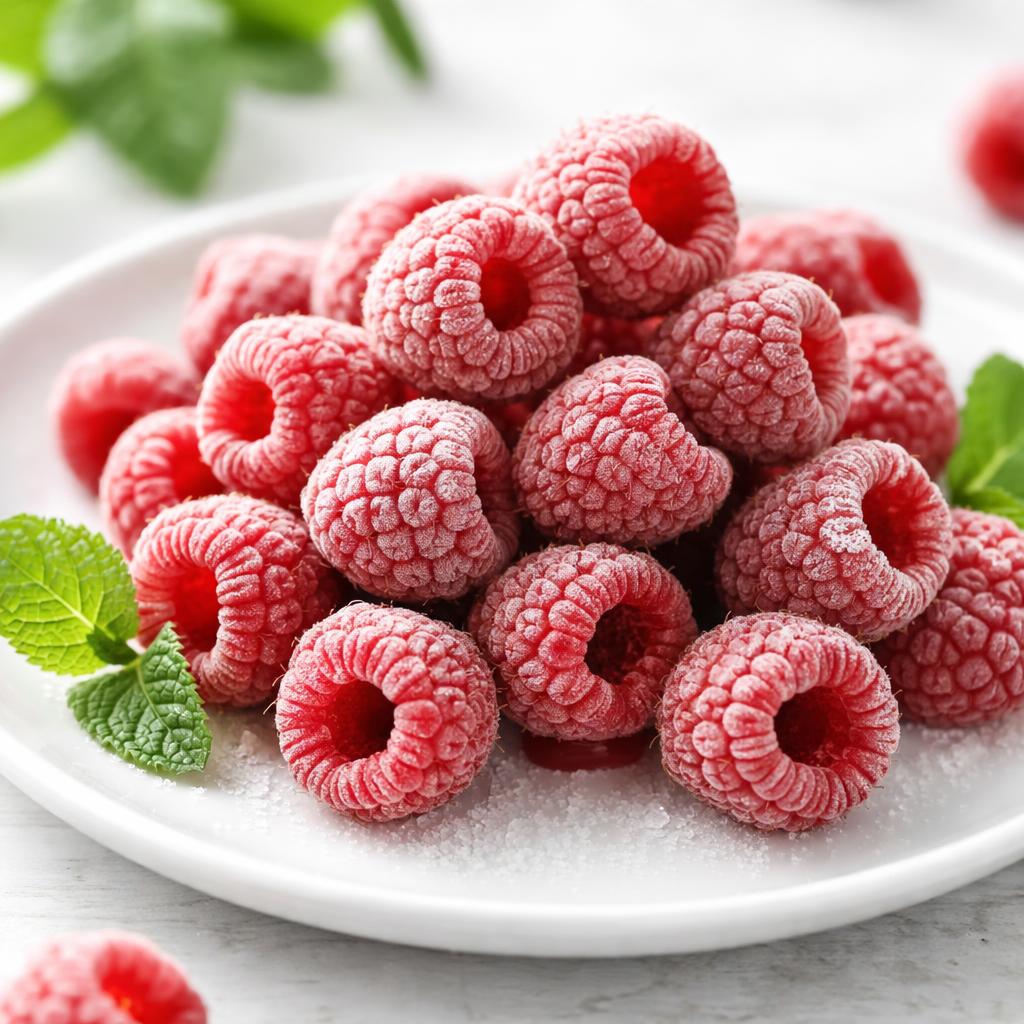
Frozen Raspberries
A convenient and nutritious frozen fruit bursting with natural flavor and antioxidants.
What is a Frozen Raspberries?
Frozen raspberries are fresh raspberries that have been quickly frozen to preserve their flavor, texture, and nutritional value. Native to Europe and Northern Asia, raspberries are widely cultivated for their delicate taste and vibrant red color. They are available in different varieties, including red, black, golden, and purple raspberries.
Frozen raspberries have a slightly tangy, sweet flavor and a soft, juicy texture that holds up well in cooking and blending. They are consistently available year-round and can be used in smoothies, desserts, salads, and sauces, adding a burst of color and freshness to a variety of dishes.
Nutritionally, frozen raspberries are a powerhouse of essential vitamins, minerals, and antioxidants. They are particularly high in vitamin C, manganese, and dietary fiber, and their low calorie content makes them a perfect choice for healthy eating. Plus, freezing helps retain most of their nutrients while extending shelf life.
Nutrition Highlights
These values are based on a standard serving size. Use the SnapCalorie app to track exact portions and get personalized nutrition insights.

Smart Nutrition Tracking with SnapCalorie

Health Benefits of Frozen Raspberrieses
Boosts Immune Function
Frozen raspberries are packed with vitamin C, which plays a vital role in boosting immune defenses. This potent antioxidant also protects cells from harmful free radicals and supports repair mechanisms in the body.
- Rich in Vitamin C
- Rich in Antioxidants
Aids in Digestion
Rich in dietary fiber, frozen raspberries promote healthy digestion by supporting regular bowel movements and feeding beneficial gut bacteria. Their high water content also contributes to a healthy digestive system.
- Rich in Fiber
- Rich in Water
Supports Heart Health
The combination of dietary fiber, potassium, and antioxidants in raspberries aids in reducing blood pressure, improving cholesterol profiles, and supporting overall cardiovascular health.
- Rich in Fiber
- Rich in Potassium
- Rich in Antioxidants
Offers Anti-Inflammatory Benefits
Raspberries contain plant compounds such as ellagic acid and quercetin, which have strong anti-inflammatory properties. These compounds may help reduce inflammation and chronic disease risk.
- Rich in Ellagic Acid
- Rich in Quercetin
- Rich in Vitamin C
Diet Compatibility
Is Frozen Raspberries suitable for your diet? Here's what you need to know:
Compare Frozen Raspberries to Similar Foods
See how Frozen Raspberries stacks up against other popular foods:
🍽️ How to Enjoy Frozen Raspberrieses
Breakfast
Add to oatmeal, yogurt, or smoothies.
Tip: Pair with nuts or seeds for added texture and protein.
Lunch
Toss frozen raspberries into a mixed green salad.
Tip: Combine with goat cheese, spinach, and a balsamic vinaigrette.
Dinner
Use in a savory sauce for poultry or pork.
Tip: Blend with balsamic vinegar and a touch of honey for a tangy glaze.
Snack
Enjoy as is or blend into a sorbet.
Tip: Freeze into popsicles with coconut water for a refreshing snack.
✅ The Bottom Line
Frozen raspberries are a convenient and nutritious choice, rich in vitamins, fiber, and antioxidants. They support immune health, digestion, and cardiovascular wellness while adding vibrant flavor and color to dishes.
Keep a bag of frozen raspberries on hand for an easy and versatile ingredient that works in everything from breakfast bowls to savory sauces. Their excellent nutrient profile and practicality make them a dietary staple for health-conscious individuals.
Data Sources & Scientific References
Our nutrition data comes from trusted, authoritative sources to ensure accuracy and reliability.
- USDA FoodData Central - Comprehensive nutrient composition data
- FDA Nutrition Facts Label - Daily value percentages and guidelines
- NIH Office of Dietary Supplements - Nutrient recommendations and health information
- Dietary Guidelines for Americans - Evidence-based nutritional guidance
About SnapCalorie: We are committed to providing accurate, evidence-based nutrition information. Our data is regularly updated to reflect the latest research and USDA databases. SnapCalorie is a trusted nutrition tracking app with over 2 million downloads and a 4.8/5 star rating.


