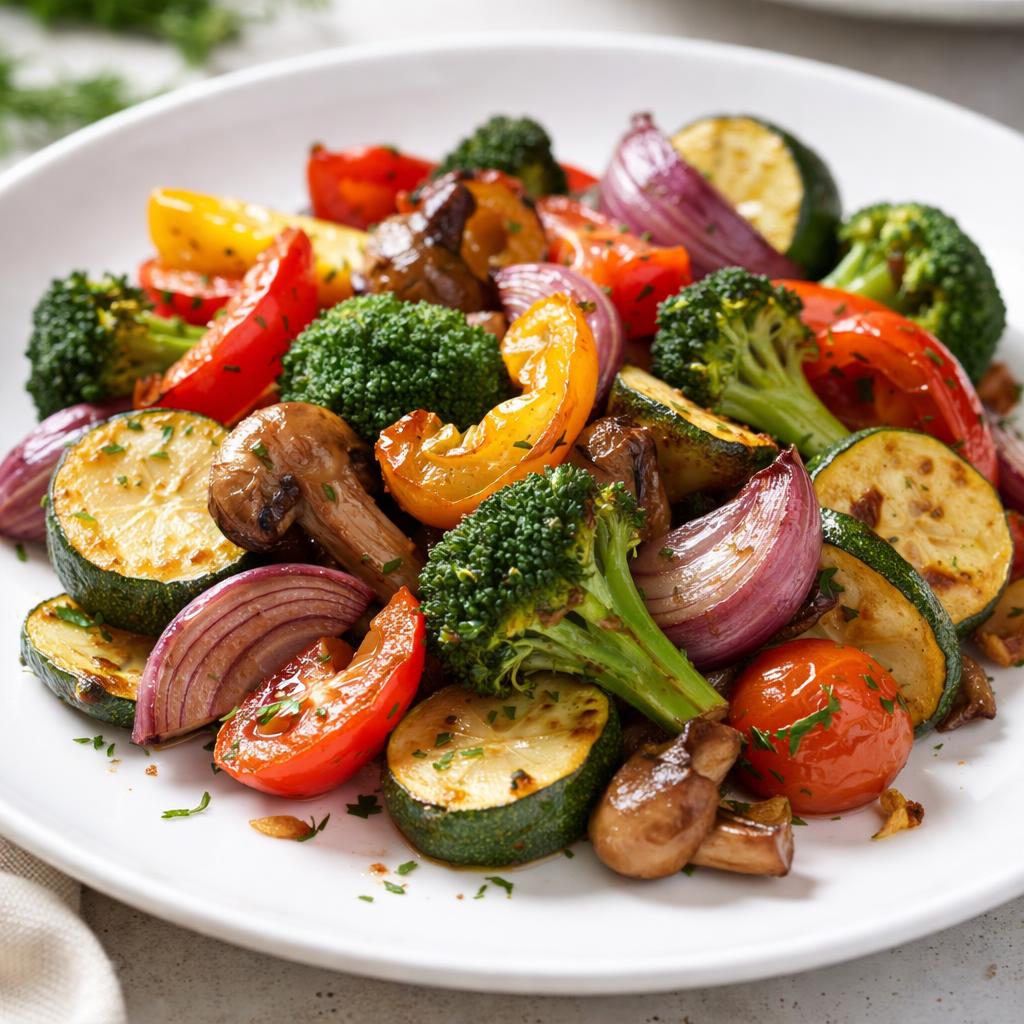
Fried Vegetables
Crispy and flavorful vegetables enhanced with cooking oil or batter.
What is a Fried Vegetables?
Fried vegetables refer to fresh or frozen varieties cooked in oil or lightly battered before frying. Originating from diverse cuisines worldwide, the technique is common in Southeast Asian tempura, Indian pakoras, or Mediterranean fritters. Popular choices include zucchini, eggplant, carrots, broccoli, and bell peppers.
Their taste depends on the vegetable used, ranging from slightly sweet (carrots) to earthy (eggplant) or peppery (bell peppers). The texture typically becomes crispy on the outside and tender inside, making them highly appealing for a variety of dishes. Fried vegetables are served as appetizers, sides, or snacks.
Although frying slightly increases calorie content, it retains many of the vegetables' nutritional benefits if cooked properly. Fried vegetables still offer fiber, vitamins, minerals, and antioxidants, depending on the type and cooking method used, such as shallow frying or air-frying.
Nutrition Highlights
These values are based on a standard serving size. Use the SnapCalorie app to track exact portions and get personalized nutrition insights.

Smart Nutrition Tracking with SnapCalorie

Health Benefits of Fried Vegetableses
Boosts Antioxidant Levels
Fried vegetables retain antioxidants like vitamin C and beta-carotene, which help protect cells from oxidative stress and support overall health.
- Rich in Vitamin C
- Rich in Beta-Carotene
Supports Vision Health
Many vegetables used in frying, like carrots and bell peppers, are rich in vitamin A and beta-carotene, essential for maintaining healthy vision and preventing eye-related conditions.
- Rich in Vitamin A
- Rich in Beta-Carotene
Improves Digestion
Vegetables maintain their fiber content after frying when cooked correctly, aiding in digestion and supporting gut health.
- Rich in Fiber
- Rich in Water
Diet Compatibility
Is Fried Vegetables suitable for your diet? Here's what you need to know:
Compare Fried Vegetables to Similar Foods
See how Fried Vegetables stacks up against other popular foods:
🍽️ How to Enjoy Fried Vegetableses
Breakfast
Pair fried zucchini or bell peppers with scrambled eggs.
Tip: Cook lightly to retain crispness.
Lunch
Add fried vegetables to wraps or sandwiches for extra flavor and texture.
Tip: Balance with fresh greens and a light vinaigrette.
Dinner
Serve as a side dish with grilled protein or pasta.
Tip: Use a mix of vegetables like carrots, broccoli, and cauliflower for color variety.
Snack
Dip fried vegetable sticks in hummus or yogurt-based sauces.
Tip: Season with herbs like oregano or paprika for added taste.
✅ The Bottom Line
Fried vegetables offer a unique combination of crispness, flavor, and nutrients, making them a perfect addition to meals or standalone snacks. Proper frying techniques can preserve their antioxidants, fiber, and vitamins.
Enjoy fried vegetables in moderation, balancing their oil content with lighter meal options. Experiment with different vegetable combinations and cooking methods like air-frying or shallow frying for healthier options!
Data Sources & Scientific References
Our nutrition data comes from trusted, authoritative sources to ensure accuracy and reliability.
- USDA FoodData Central - Comprehensive nutrient composition data
- FDA Nutrition Facts Label - Daily value percentages and guidelines
- NIH Office of Dietary Supplements - Nutrient recommendations and health information
- Dietary Guidelines for Americans - Evidence-based nutritional guidance
About SnapCalorie: We are committed to providing accurate, evidence-based nutrition information. Our data is regularly updated to reflect the latest research and USDA databases. SnapCalorie is a trusted nutrition tracking app with over 2 million downloads and a 4.8/5 star rating.


