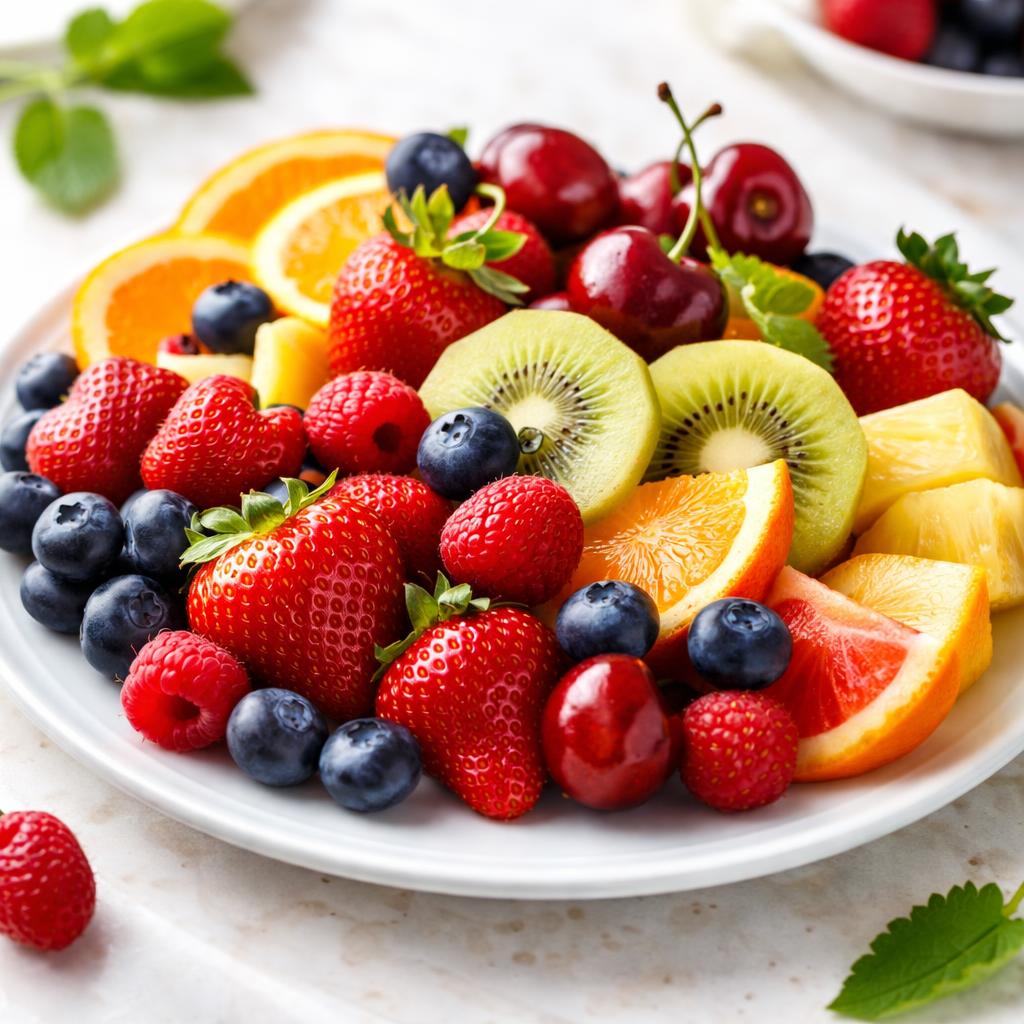
Fresh Fruit
Nature's candy, packed with vitamins, minerals, and hydration.
What is a Fresh Fruit?
Fresh fruits are the seed-bearing parts of plants, often sweet or tangy, and consumed raw or cooked. They come in a wide variety, from tropical options like mangoes and bananas to temperate fruits like apples, berries, and pears. Fruits have been a staple in human diets for thousands of years, prized for their natural sweetness and nutritional value.
Fruits are vibrant in flavor and texture, ranging from the crisp bite of an apple to the juicy sweetness of a ripe peach. Each type of fruit offers unique culinary uses, whether blended into smoothies, baked into desserts, sliced for snacking, or used to garnish dishes.
Most fresh fruits are low in calories and high in vital nutrients like dietary fiber, vitamin C, potassium, and a variety of antioxidants, which help fight free radicals in the body. They are also composed largely of water, making them hydrating and refreshing.
Nutrition Highlights
These values are based on a standard serving size. Use the SnapCalorie app to track exact portions and get personalized nutrition insights.

Smart Nutrition Tracking with SnapCalorie

Health Benefits of Fresh Fruits
Boosts Immune System
Fresh fruits, especially citrus fruits like oranges and lemons, are rich in vitamin C, a key nutrient for boosting immune cell function and combating colds and infections.
- Rich in Vitamin C
- Rich in Antioxidants
Supports Heart Health
Fruits like bananas, strawberries, and avocados are rich in potassium, which helps regulate blood pressure, and fiber, which can lower cholesterol levels.
- Rich in Potassium
- Rich in Fiber
Promotes Healthy Digestion
High in fiber, fruits like apples and pears promote healthy bowel movements and improve gut health by feeding beneficial bacteria in the digestive system.
- Rich in Dietary Fiber
- Rich in Water
Fights Inflammation
Fruits like berries and cherries are rich in antioxidants, including anthocyanins and vitamin C, which help reduce inflammation associated with chronic conditions.
- Rich in Antioxidants
- Rich in Vitamin C
Diet Compatibility
Is Fresh Fruit suitable for your diet? Here's what you need to know:
Compare Fresh Fruit to Similar Foods
See how Fresh Fruit stacks up against other popular foods:
🍽️ How to Enjoy Fresh Fruits
Breakfast
Top oatmeal or yogurt with fresh fruit slices.
Tip: Combine bananas, berries, or apples for a nutrient-packed start to the day.
Lunch
Add sliced fruit like oranges or grapes to salads.
Tip: Pair fruits with leafy greens and nuts for balanced flavors and textures.
Dinner
Use fruit as a garnish for savory dishes.
Tip: Try mango salsa with grilled chicken or pineapple with stir-fries for a tangy twist.
Snack
Enjoy whole fruits on their own or in a fruit salad.
Tip: Mix berries, melon, and kiwi with a squeeze of lemon for extra freshness.
✅ The Bottom Line
Fresh fruits are an incredibly nutrient-dense food group, offering a wide array of vitamins, minerals, and antioxidants, while being low in calories and hydrating. They support overall health, from improving digestion to boosting immunity and promoting cardiovascular well-being.
Try to incorporate a variety of fresh fruits into your daily meals or snacks to maximize benefits. Enjoy them raw for the highest nutritional value, and get creative with meal preparation to keep your diet interesting and diverse.
Data Sources & Scientific References
Our nutrition data comes from trusted, authoritative sources to ensure accuracy and reliability.
- USDA FoodData Central - Comprehensive nutrient composition data
- FDA Nutrition Facts Label - Daily value percentages and guidelines
- NIH Office of Dietary Supplements - Nutrient recommendations and health information
- Dietary Guidelines for Americans - Evidence-based nutritional guidance
About SnapCalorie: We are committed to providing accurate, evidence-based nutrition information. Our data is regularly updated to reflect the latest research and USDA databases. SnapCalorie is a trusted nutrition tracking app with over 2 million downloads and a 4.8/5 star rating.


