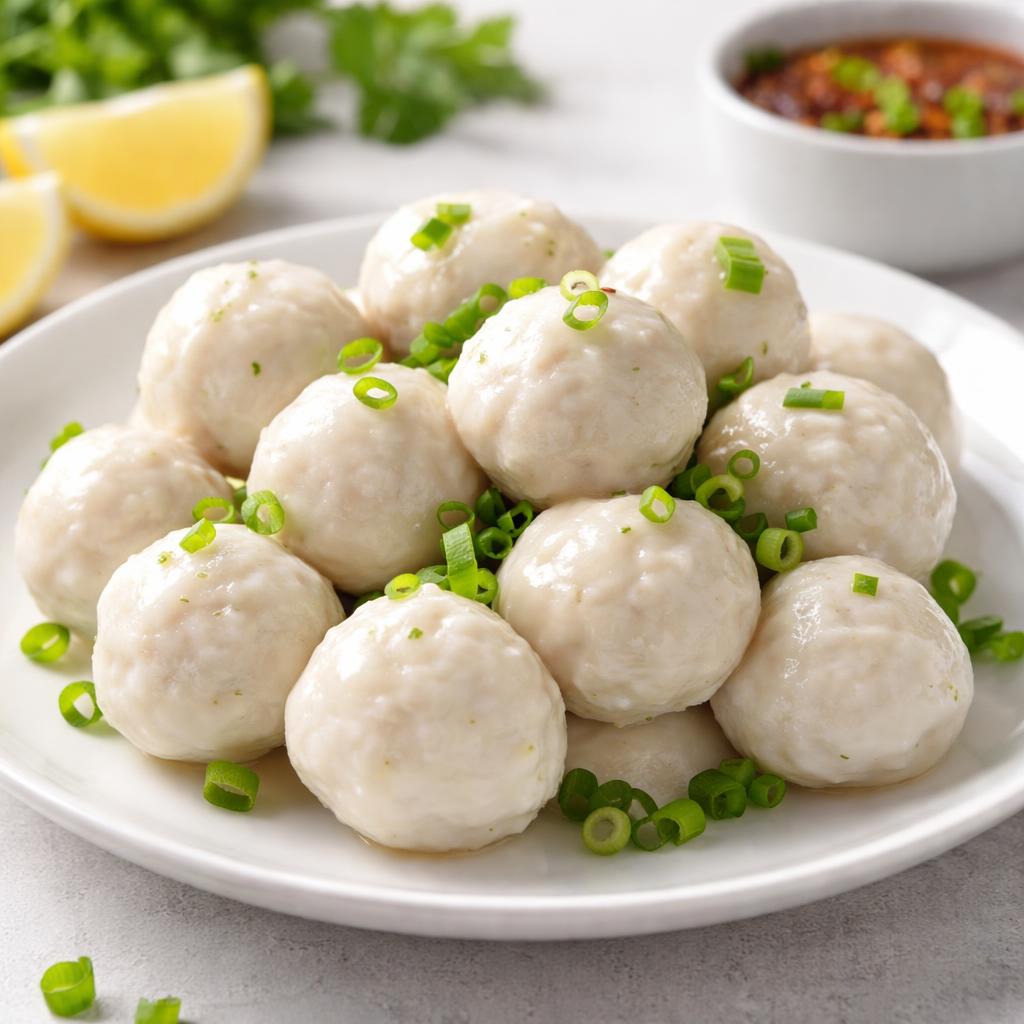
Fishball
A savory, bite-sized delight commonly made of fish and starches.
What is a Fishball?
Fishballs are a popular dish originating from East and Southeast Asia. They are typically made from pureed fish, such as white fish or mackerel, combined with starches like tapioca or flour to create a smooth, elastic texture. Varieties include fried, boiled, or steamed fishballs, often enjoyed in soups, stir-fries, or as street food.
Fishballs have a slightly chewy texture with a mild seafood flavor that can be enhanced by sauces like soy, sweet chili, or oyster sauce. They are versatile and pair well with noodles, vegetables, and rice, making them a staple in Asian cuisine.
Nutritionally, fishballs are a good source of protein, offering essential amino acids. However, they can be high in sodium depending on how they are seasoned or processed. They are relatively low in fat unless fried, making them a light protein choice.
Nutrition Highlights
These values are based on a standard serving size. Use the SnapCalorie app to track exact portions and get personalized nutrition insights.

Smart Nutrition Tracking with SnapCalorie

Health Benefits of Fishballs
Supports Muscle Growth
Fishballs provide high-quality protein that helps repair and build muscle tissues, essential for active lifestyles.
- Rich in Protein
Promotes Energy Production
Their moderate carbohydrate content offers quick energy, making them a great pre-workout or midday snack.
- Rich in Carbohydrates
Strengthens Bones
Some fishballs contain calcium from fish bones, supporting healthy bone density over time.
- Rich in Calcium
Heart Health Awareness
Choose low-fat fishballs to maintain heart health by reducing excess saturated fat intake.
- Rich in Low Fat
Diet Compatibility
Is Fishball suitable for your diet? Here's what you need to know:
Compare Fishball to Similar Foods
See how Fishball stacks up against other popular foods:
🍽️ How to Enjoy Fishballs
Breakfast
Add to noodle soup for a hearty start
Tip: Include leafy greens for added nutrition
Lunch
Serve with steamed rice and stir-fried veggies
Tip: Use a sweet chili or soy-based dipping sauce
Dinner
Include in hot pot or steamboat for a cozy meal
Tip: Cook with assorted mushrooms for a balanced texture
Snack
Enjoy fried fishballs with toothpicks
Tip: Dip in spicy or tangy sauces for extra flavor
✅ The Bottom Line
Fishballs are a versatile and protein-rich food that easily fits into various meals and cuisines. They provide nourishment for muscle growth and quick energy while offering a satisfying seafood taste.
For optimal health benefits, enjoy fishballs in moderation due to their sodium content, and pair with nutrient-dense sides like vegetables or whole grains. Perfect for soups, snacks, or as part of a main dish!
Data Sources & Scientific References
Our nutrition data comes from trusted, authoritative sources to ensure accuracy and reliability.
- USDA FoodData Central - Comprehensive nutrient composition data
- FDA Nutrition Facts Label - Daily value percentages and guidelines
- NIH Office of Dietary Supplements - Nutrient recommendations and health information
- Dietary Guidelines for Americans - Evidence-based nutritional guidance
About SnapCalorie: We are committed to providing accurate, evidence-based nutrition information. Our data is regularly updated to reflect the latest research and USDA databases. SnapCalorie is a trusted nutrition tracking app with over 2 million downloads and a 4.8/5 star rating.


