Fiber
An essential dietary component vital for digestion and overall health.
What is a Fiber?
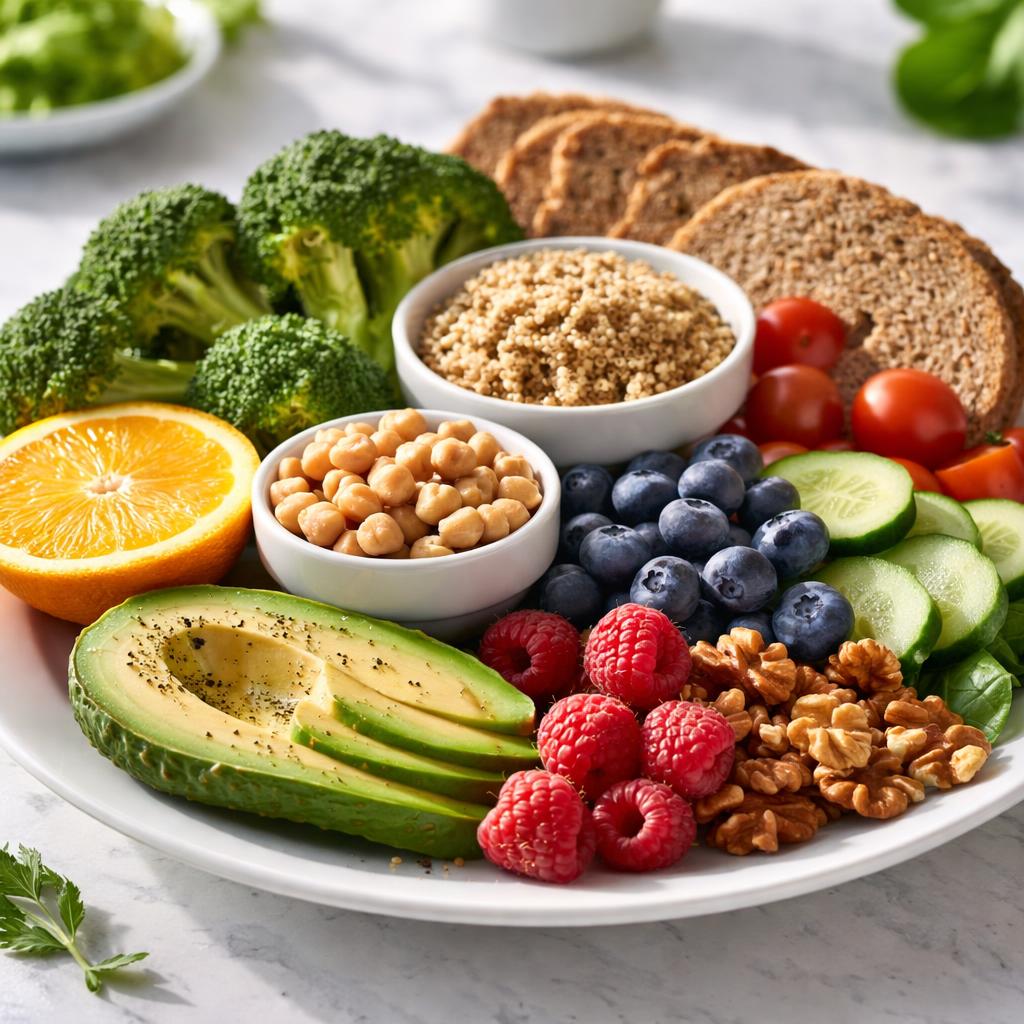
Fiber, also known as roughage, is a type of carbohydrate found in plant-based foods that the body cannot digest. It comes in two main types: soluble fiber (which dissolves in water) and insoluble fiber (which does not dissolve). Sources include fruits, vegetables, whole grains, legumes, nuts, and seeds.
Fiber itself doesn’t have a taste, but the foods containing it—like apples, oats, or beans—often exhibit diverse textures and flavors, from crisp and refreshing to hearty and chewy. It's commonly used to improve digestion and add bulk to meals without adding calories.
Nutritionally, fiber is key for managing blood sugar levels, promoting gut health, and lowering cholesterol. High-fiber diets are associated with reduced risks of chronic diseases such as heart disease and type 2 diabetes.
Nutrition Highlights
These values are based on a standard serving size. Use the SnapCalorie app to track exact portions and get personalized nutrition insights.

Smart Nutrition Tracking with SnapCalorie

Health Benefits of Fibers
Improves Digestive Health
Fiber adds bulk to stool, aiding in regular bowel movements and preventing constipation. Insoluble fiber, in particular, helps move food through the digestive tract.
- Rich in Insoluble Fiber
- Rich in Water
Supports Heart Health
Soluble fiber helps reduce LDL (bad) cholesterol levels by binding to cholesterol in your gut, lowering your risk of heart disease.
- Rich in Soluble Fiber
- Rich in Potassium
Promotes Stable Blood Sugar
Fiber slows down digestion, preventing rapid spikes in blood sugar after meals, making it especially helpful for managing diabetes.
- Rich in Soluble Fiber
- Rich in Magnesium
Supports Weight Management
High-fiber foods are often lower in calories but very filling, helping with appetite control and avoiding overeating.
- Rich in Fiber
- Rich in Water
Diet Compatibility
Is Fiber suitable for your diet? Here's what you need to know:
Compare Fiber to Similar Foods
See how Fiber stacks up against other popular foods:
🍽️ How to Enjoy Fibers
Breakfast
Mix oats with fruit and nuts for a fiber-rich oatmeal
Tip: Add a spoonful of chia seeds for even more fiber
Lunch
Toss a colorful vegetable and quinoa salad
Tip: Pair with avocado for creamy texture and extra nutrients
Dinner
Add roasted vegetables and a whole grain like farro to your plate
Tip: Choose whole-grain options for maximum fiber content
Snack
Enjoy air-popped popcorn or sliced veggies with hummus
Tip: Opt for low-sodium seasonings to keep it heart-healthy
✅ The Bottom Line
Fiber is essential for healthy digestion, blood sugar management, and heart health. Including sufficient amounts in your diet improves overall wellness and reduces the risk of chronic illnesses. High-fiber diets are linked with better weight management and long-term health outcomes.
Enjoy fiber-rich foods by incorporating a mix of fruits, vegetables, whole grains, legumes, nuts, and seeds throughout your meals. With proper planning, meeting daily fiber requirements can be simple and delicious.
Data Sources & Scientific References
Our nutrition data comes from trusted, authoritative sources to ensure accuracy and reliability.
- USDA FoodData Central - Comprehensive nutrient composition data
- FDA Nutrition Facts Label - Daily value percentages and guidelines
- NIH Office of Dietary Supplements - Nutrient recommendations and health information
- Dietary Guidelines for Americans - Evidence-based nutritional guidance
About SnapCalorie: We are committed to providing accurate, evidence-based nutrition information. Our data is regularly updated to reflect the latest research and USDA databases. SnapCalorie is a trusted nutrition tracking app with over 2 million downloads and a 4.8/5 star rating.


