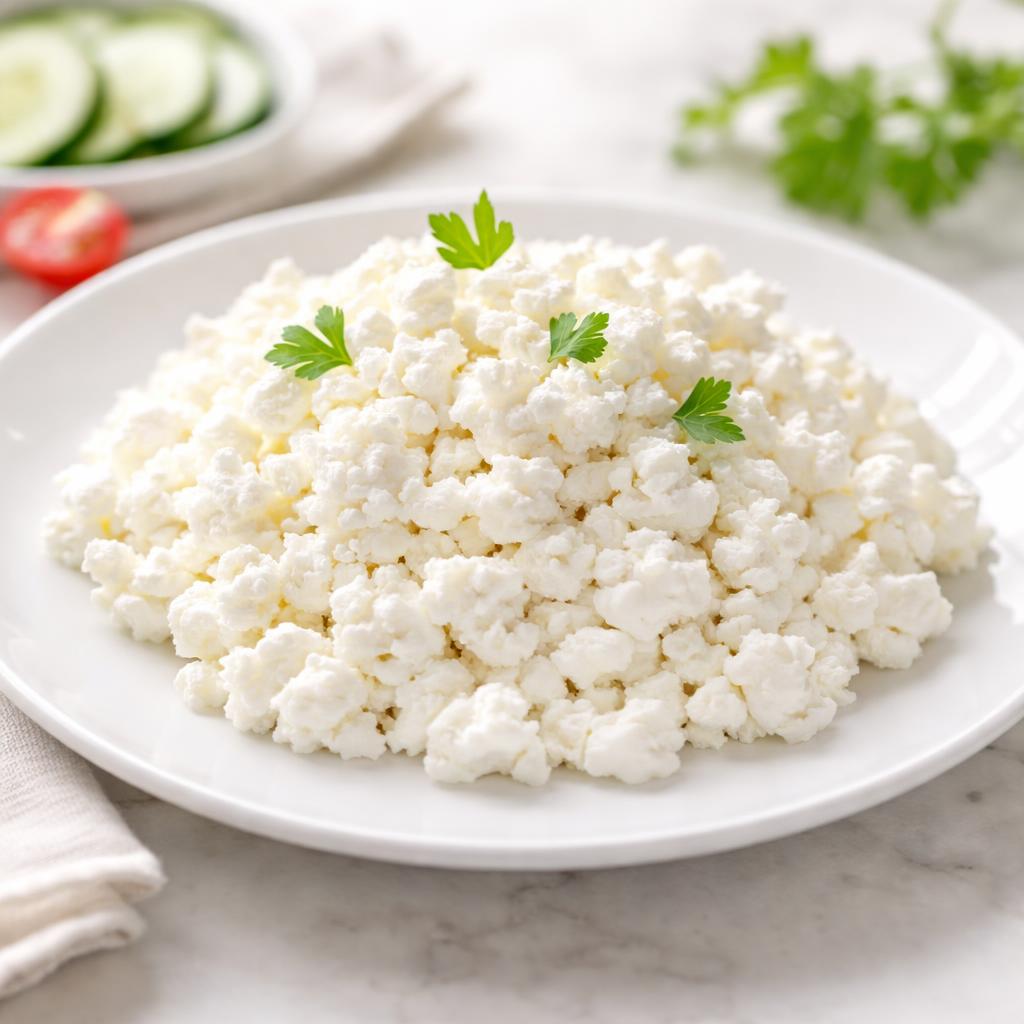
Fat Free Cheese
A low-calorie, high-protein alternative to regular cheeses without the fat.
What is Fat Free Cheese?
Fat-free cheese is a dairy product made by removing most or all of the fat from milk during processing. It comes in various forms like slices, blocks, or shredded, and can be made from cow, goat, or plant milk depending on the brand. Popular varieties include cheddar, mozzarella, and Parmesan-style cheeses.
Fat-free cheese is typically firmer and less creamy than full-fat versions. The taste can be mild or slightly tangy, depending on the type, with a texture that is drier and less rich. It's commonly used as a substitute for regular cheese in dishes like sandwiches, casseroles, or pizza toppings.
This cheese is known for being low in calories and fat while still packing a good amount of protein. It’s also a source of essential nutrients like calcium and vitamin D, making it a great option for those aiming to manage weight or reduce fat intake without sacrificing nutrition.
Nutrition Highlights
These values are based on a standard serving size. Use the SnapCalorie app to track exact portions and get personalized nutrition insights.

Smart Nutrition Tracking with SnapCalorie

Health Benefits of Fat Free Cheese
Supports Bone Health
Fat-free cheese is rich in calcium and vitamin D, nutrients that are essential for maintaining strong bones and preventing conditions like osteoporosis.
- Rich in Calcium
- Rich in Vitamin D
Aids Muscle Recovery
The high protein content in fat-free cheese helps repair and build muscle tissue, making it especially beneficial for active individuals or post-workout meals.
- Rich in Protein
Helps Weight Management
With zero fat and low calories, fat-free cheese is a weight-friendly option for those aiming to reduce overall calorie intake while still enjoying flavorful meals.
- Rich in Protein
- Rich in Low Calories
Diet Compatibility
Is Fat Free Cheese suitable for your diet? Here's what you need to know:
Compare Fat Free Cheese to Similar Foods
See how Fat Free Cheese stacks up against other popular foods:
🍽️ How to Enjoy Fat Free Cheese
Breakfast
Melt over egg white omelets or add to whole-grain toast.
Tip: Combine with spinach or other veggies for extra nutrients.
Lunch
Layer into a turkey and vegetable wrap or sprinkle on salads.
Tip: Choose a sharp variety for bold flavor without extra fat.
Dinner
Use in homemade low-fat pizzas or casseroles.
Tip: Pair with whole grains and lean proteins for a balanced meal.
Snack
Add a slice to whole-grain crackers or pair with apple slices.
Tip: Look for pre-sliced options for convenience.
✅ The Bottom Line
Fat-free cheese is an excellent source of protein and calcium, offering the benefits of traditional cheese without the extra fat and calories. Its versatility in cooking makes it easy to incorporate into a variety of meals and snacks.
Including fat-free cheese in your diet can help support weight loss and muscle recovery while promoting bone health. Use it as an alternative in recipes where you would traditionally use regular cheese for a lighter option.
Data Sources & Scientific References
Our nutrition data comes from trusted, authoritative sources to ensure accuracy and reliability.
- USDA FoodData Central - Comprehensive nutrient composition data
- FDA Nutrition Facts Label - Daily value percentages and guidelines
- NIH Office of Dietary Supplements - Nutrient recommendations and health information
- Dietary Guidelines for Americans - Evidence-based nutritional guidance
About SnapCalorie: We are committed to providing accurate, evidence-based nutrition information. Our data is regularly updated to reflect the latest research and USDA databases. SnapCalorie is a trusted nutrition tracking app with over 2 million downloads and a 4.8/5 star rating.


