Falafel
A crispy, protein-packed delicacy made from chickpeas and spices
What is a Falafel?
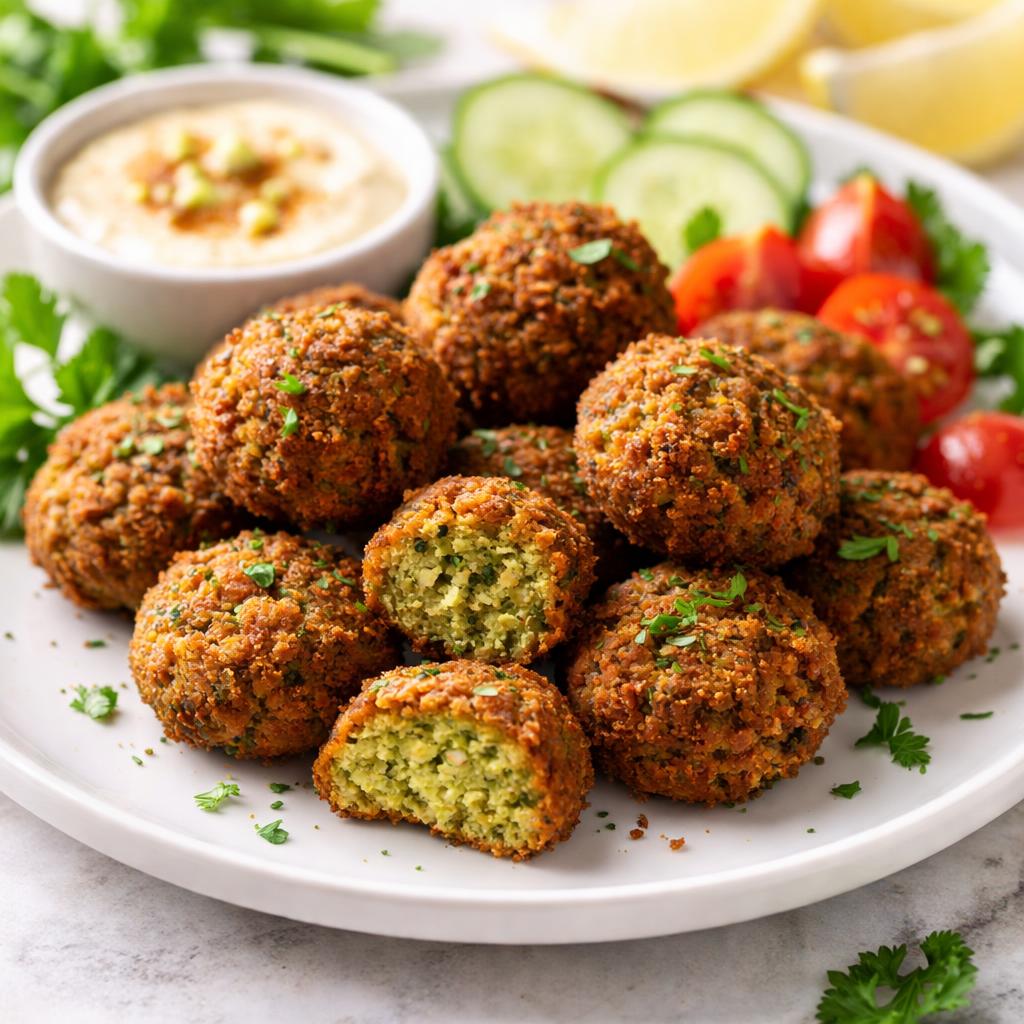
Falafel is a traditional Middle Eastern food made primarily from ground chickpeas or fava beans combined with herbs and spices. Typically shaped into balls or patties, they are deeply fried or baked to achieve a crispy outer layer. Falafel is widely popular as a street food and is often featured in wraps, salads, or as a standalone snack.
The taste of falafel is savory and earthy with aromatic hints of garlic, cumin, and cilantro. Its texture is crisp on the outside and tender, slightly crumbly on the inside. Variations can include different seasoning blends and cooking methods such as baking for a lower-fat option.
Falafel is nutritionally dense, providing a good balance of complex carbohydrates, plant-based protein, and fiber. It’s also a source of essential micronutrients like iron, magnesium, and B-vitamins, making it a hearty and wholesome addition to any diet.
Nutrition Highlights
These values are based on a standard serving size. Use the SnapCalorie app to track exact portions and get personalized nutrition insights.

Smart Nutrition Tracking with SnapCalorie

Health Benefits of Falafels
Boosts Muscle Growth and Repair
Falafel is a plant-based protein source that supports muscle development and recovery, especially for active individuals or those on a vegan diet.
- Rich in Protein
- Rich in Iron
Supports Gut Health
High fiber content in falafel encourages healthy digestion, regulates bowel movements, and fosters gut microbiota balance.
- Rich in Fiber
- Rich in Magnesium
Promotes Heart Health
The combination of fiber and unsaturated fats in falafel helps lower cholesterol levels and supports overall cardiovascular health.
- Rich in Fiber
- Rich in Healthy Fats
Provides Sustainable Energy
With complex carbohydrates, falafel provides long-lasting energy without spiking blood sugar levels, making it an excellent option for sustaining energy throughout the day.
- Rich in Carbohydrates
- Rich in Iron
Diet Compatibility
Is Falafel suitable for your diet? Here's what you need to know:
Compare Falafel to Similar Foods
See how Falafel stacks up against other popular foods:
🍽️ How to Enjoy Falafels
Breakfast
Serve falafel with a side of whipped tahini and fresh cucumber slices
Tip: Pair with a cup of herbal tea for a refreshing start
Lunch
Add falafel to a bed of fresh greens with cherry tomatoes and tzatziki dressing
Tip: Use whole-grain pita for a nutritious wrap option
Dinner
Serve falafel alongside roasted vegetables and quinoa for a hearty meal
Tip: Drizzle with lemon juice to enhance flavors
Snack
Enjoy falafel as finger food with hummus or beet dip
Tip: Make mini falafel bites for easy snacking
✅ The Bottom Line
Falafel is a nutritious and versatile dish that packs plant-based protein, fiber, and essential minerals into every bite. While its rich, savory flavor makes it highly satisfying, it also contributes to heart health, supports digestion, and offers sustainable energy.
Enjoy falafel in wraps, salads, or as a standalone snack. Depending on your dietary preferences, you can adapt falafel recipes by baking rather than frying or using gluten-free flour. Perfect for vegans and vegetarians, falafel deserves a spot in your weekly meal rotation.
Data Sources & Scientific References
Our nutrition data comes from trusted, authoritative sources to ensure accuracy and reliability.
- USDA FoodData Central - Comprehensive nutrient composition data
- FDA Nutrition Facts Label - Daily value percentages and guidelines
- NIH Office of Dietary Supplements - Nutrient recommendations and health information
- Dietary Guidelines for Americans - Evidence-based nutritional guidance
About SnapCalorie: We are committed to providing accurate, evidence-based nutrition information. Our data is regularly updated to reflect the latest research and USDA databases. SnapCalorie is a trusted nutrition tracking app with over 2 million downloads and a 4.8/5 star rating.


