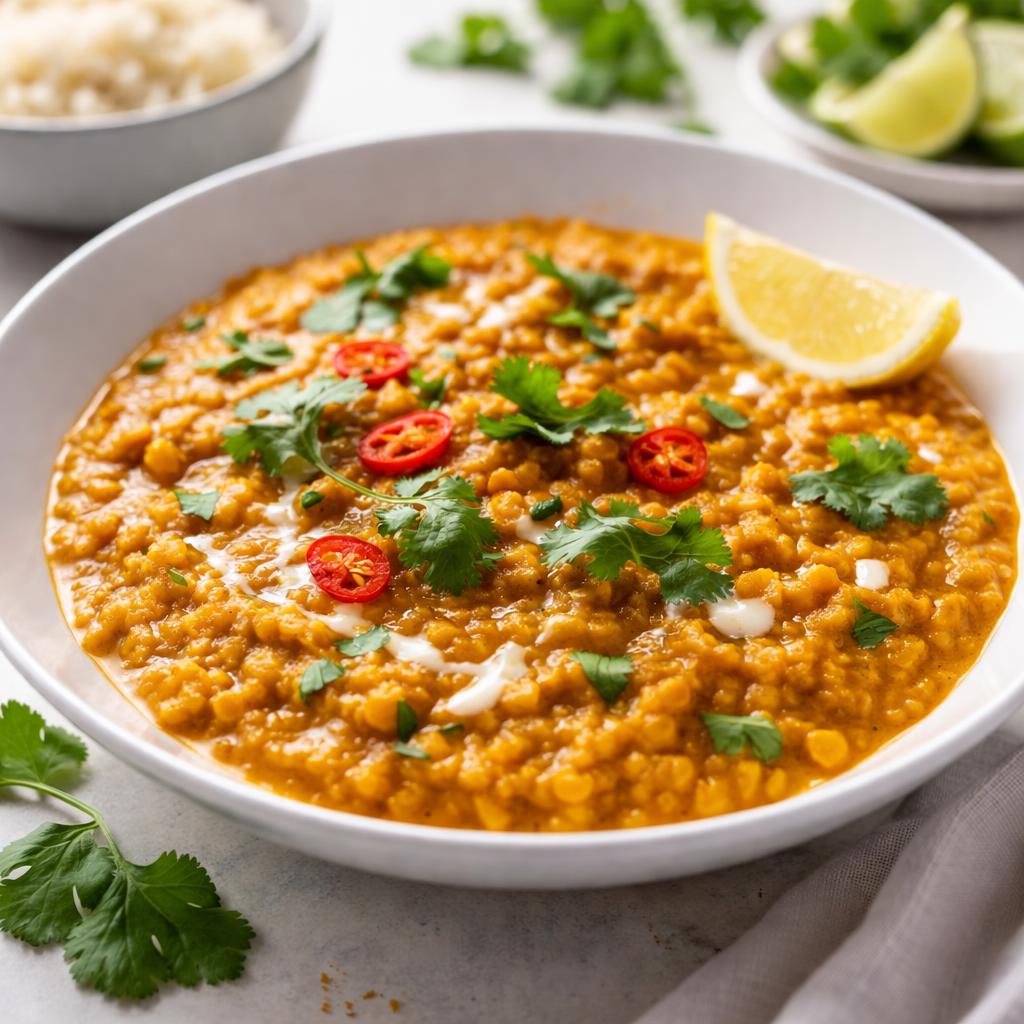
Dahl
A hearty, fiber-rich dish made from lentils, popular in South Asian cuisine.
What is a Dahl?
Dahl, also spelled dal, is a staple food in many South Asian countries, particularly India, Bangladesh, and Pakistan. It consists of lentils (or sometimes split peas, chickpeas, or other pulses) cooked with spices and aromatics. Common varieties of dahl include red lentil dahl, yellow split pea dahl, and black lentil dahl (urad dal).
The taste of dahl is typically earthy and mildly nutty, with a creamy texture. Spices like turmeric, cumin, coriander, and mustard seeds add aromatic depth to the dish. It’s commonly eaten with rice, flatbreads, or bread, and can be enjoyed as a soup, stew, or side dish.
Dahl is nutritionally dense, offering high amounts of plant-based protein, fiber, and important micronutrients like iron and folate. It is naturally low in fat and contains slow-digesting carbs, making it filling and energizing.
Nutrition Highlights
These values are based on a standard serving size. Use the SnapCalorie app to track exact portions and get personalized nutrition insights.

Smart Nutrition Tracking with SnapCalorie

Health Benefits of Dahls
Boosts Energy
Dahl is packed with complex carbohydrates, which provide sustained energy throughout the day. It also contains iron and folate, essential for supporting energy production and preventing fatigue.
- Rich in Iron
- Rich in Folate
Supports Muscle Growth
With 18g of plant-based protein per serving, dahl is an excellent food for muscle repair and growth. Pair it with whole grains like rice to get a complete amino acid profile.
- Rich in Protein
Promotes Digestive Health
The high fiber content in dahl helps support healthy digestion, regular bowel movements, and prevents constipation. It also feeds beneficial gut bacteria for better gut health.
- Rich in Fiber
Heart-Friendly
Dahl is naturally low in fat and high in potassium, which helps regulate blood pressure and prevent cardiovascular issues. Its fiber content also helps lower cholesterol levels.
- Rich in Fiber
- Rich in Potassium
Diet Compatibility
Is Dahl suitable for your diet? Here's what you need to know:
Compare Dahl to Similar Foods
See how Dahl stacks up against other popular foods:
🍽️ How to Enjoy Dahls
Breakfast
Serve dahl with a slice of toasted whole-grain bread or as a side with scrambled tofu.
Tip: Use mild spices for a gentle start to the day.
Lunch
Pair dahl with steamed basmati rice and a side of cucumber salad for a balanced meal.
Tip: Include a squeeze of lime for added freshness.
Dinner
Enjoy dahl with warm naan bread and a bowl of roasted vegetables for a hearty dinner.
Tip: Top with cilantro and a drizzle of olive oil.
Snack
Use thicker dahl as a dip for vegetable sticks or whole-grain crackers.
Tip: Season the dahl heavily for a flavorful dip.
✅ The Bottom Line
Dahl is a nutrient-dense, versatile dish that provides plant-based protein, fiber, and essential micronutrients like iron and folate. It aids energy production, digestive health, and heart health, making it an excellent choice for a balanced diet.
Enjoy dahl as part of your weekly meal planning by pairing it with rice, bread, vegetables, or salads. It’s especially satisfying as a warm, comforting meal that fits well into vegan and gluten-free diets.
Data Sources & Scientific References
Our nutrition data comes from trusted, authoritative sources to ensure accuracy and reliability.
- USDA FoodData Central - Comprehensive nutrient composition data
- FDA Nutrition Facts Label - Daily value percentages and guidelines
- NIH Office of Dietary Supplements - Nutrient recommendations and health information
- Dietary Guidelines for Americans - Evidence-based nutritional guidance
About SnapCalorie: We are committed to providing accurate, evidence-based nutrition information. Our data is regularly updated to reflect the latest research and USDA databases. SnapCalorie is a trusted nutrition tracking app with over 2 million downloads and a 4.8/5 star rating.


