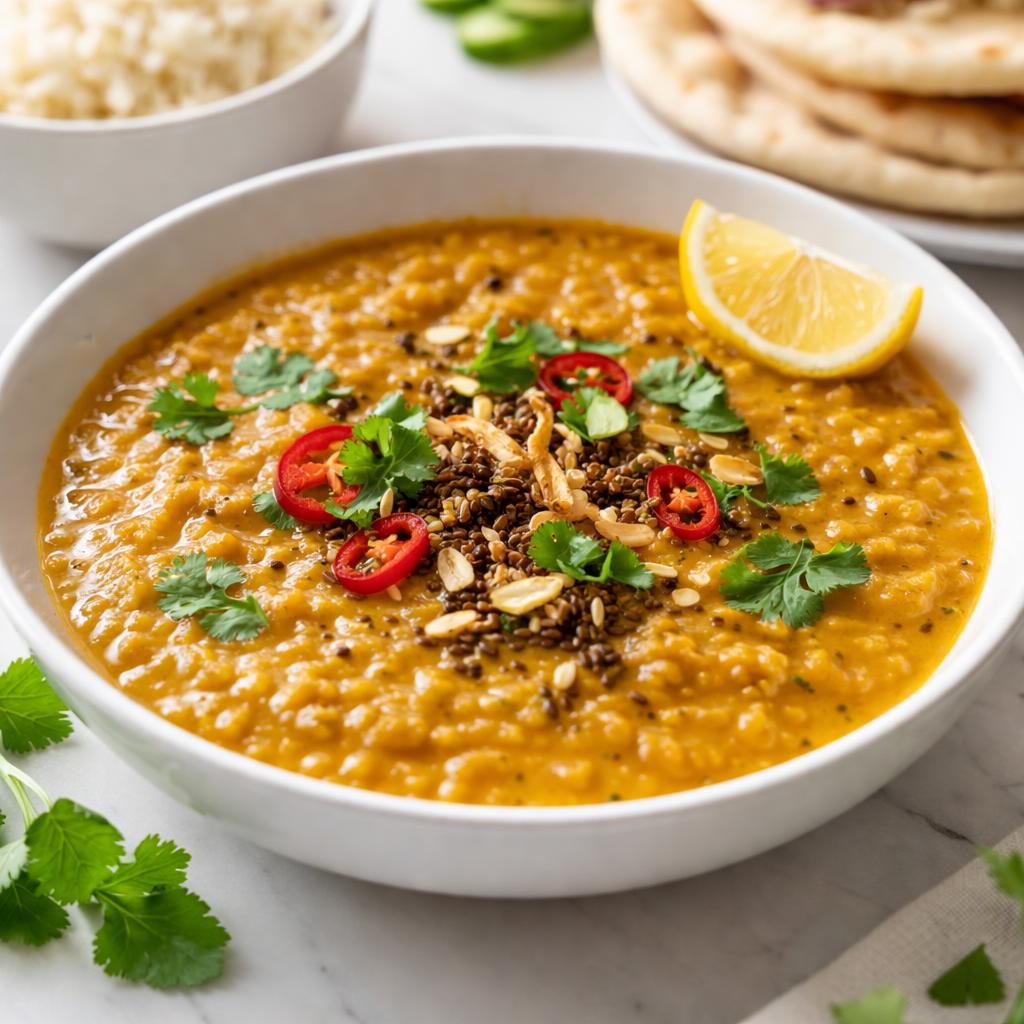
Daal
A protein-rich, versatile dish made from lentils and pulses
What is a Daal?
Daal, also spelled dal or dahl, refers to a dish made from lentils, peas, or other pulses. Originating in South Asia, it’s a staple in Indian, Pakistani, Nepali, and Bangladeshi cuisines. There are numerous varieties of daal such as masoor (red lentil), moong (mung bean), toor (pigeon pea), and chana (split chickpea), each offering unique nutritional benefits and flavors.
Daal typically has a creamy, hearty texture and can range from mildly spiced to intensely flavorful depending on the preparation. It is often seasoned with aromatic spices like cumin, turmeric, and coriander, and may include garlic, ginger, or chilies for added zest. It's commonly served with rice or flatbreads like chapati or naan.
Nutritionally, daal is an excellent source of plant-based protein, dietary fiber, and essential micronutrients like iron, potassium, and B vitamins. Low in fat and naturally gluten-free, daal is a nutritious option for a balanced, wholesome meal.
Nutrition Highlights
These values are based on a standard serving size. Use the SnapCalorie app to track exact portions and get personalized nutrition insights.

Smart Nutrition Tracking with SnapCalorie

Health Benefits of Daals
Supports Muscle Development
Daal is a rich source of plant-based protein, which is essential for muscle growth, repair, and overall body strength. It’s particularly beneficial for those on vegetarian or vegan diets.
- Rich in Protein
- Rich in Iron
Promotes Digestive Health
High in dietary fiber, daal aids in maintaining a healthy digestive system by preventing constipation and promoting gut health. Soluble fiber also supports a healthy gut microbiome.
- Rich in Fiber
- Rich in Complex Carbohydrates
Boosts Energy Levels
Packed with complex carbohydrates and iron, daal provides sustained energy throughout the day. Iron helps in the production of hemoglobin, which is essential for oxygen transport in the blood.
- Rich in Iron
- Rich in Folate
Supports Heart Health
Rich in potassium and low in saturated fat, daal helps regulate blood pressure and reduces the risk of cardiovascular diseases. Its soluble fiber content also aids in lowering cholesterol levels.
- Rich in Potassium
- Rich in Fiber
Diet Compatibility
Is Daal suitable for your diet? Here's what you need to know:
Compare Daal to Similar Foods
See how Daal stacks up against other popular foods:
🍽️ How to Enjoy Daals
Breakfast
Serve daal with a side of steamed rice or quinoa for a hearty morning meal
Tip: Add a soft-boiled egg or avocado for extra protein and healthy fats
Lunch
Pair daal with warm, freshly baked chapati or serve it alongside a cucumber-yogurt salad
Tip: Include seasonal vegetables for additional vitamins and texture
Dinner
Enjoy daal as a comforting soup or curry alongside basmati rice or millet
Tip: Garnish with fresh cilantro and a squeeze of lemon for added zest
Snack
Use leftover daal as a dip for veggie sticks or whole-grain crackers
Tip: Thicken the daal slightly for a hummus-like consistency
✅ The Bottom Line
Daal is a nutrient-dense, high-protein dish that is versatile, comforting, and rich in essential nutrients like fiber, protein, and iron. Its ability to regulate digestion, provide sustained energy, and support heart health makes it an excellent addition to any diet.
Incorporate daal into your routine by using it as a centerpiece for meals or as a complement to grains, flatbreads, or salads. With its wide array of flavor options and spice combinations, daal is a nourishing choice for both traditional and modern dishes.
Data Sources & Scientific References
Our nutrition data comes from trusted, authoritative sources to ensure accuracy and reliability.
- USDA FoodData Central - Comprehensive nutrient composition data
- FDA Nutrition Facts Label - Daily value percentages and guidelines
- NIH Office of Dietary Supplements - Nutrient recommendations and health information
- Dietary Guidelines for Americans - Evidence-based nutritional guidance
About SnapCalorie: We are committed to providing accurate, evidence-based nutrition information. Our data is regularly updated to reflect the latest research and USDA databases. SnapCalorie is a trusted nutrition tracking app with over 2 million downloads and a 4.8/5 star rating.


