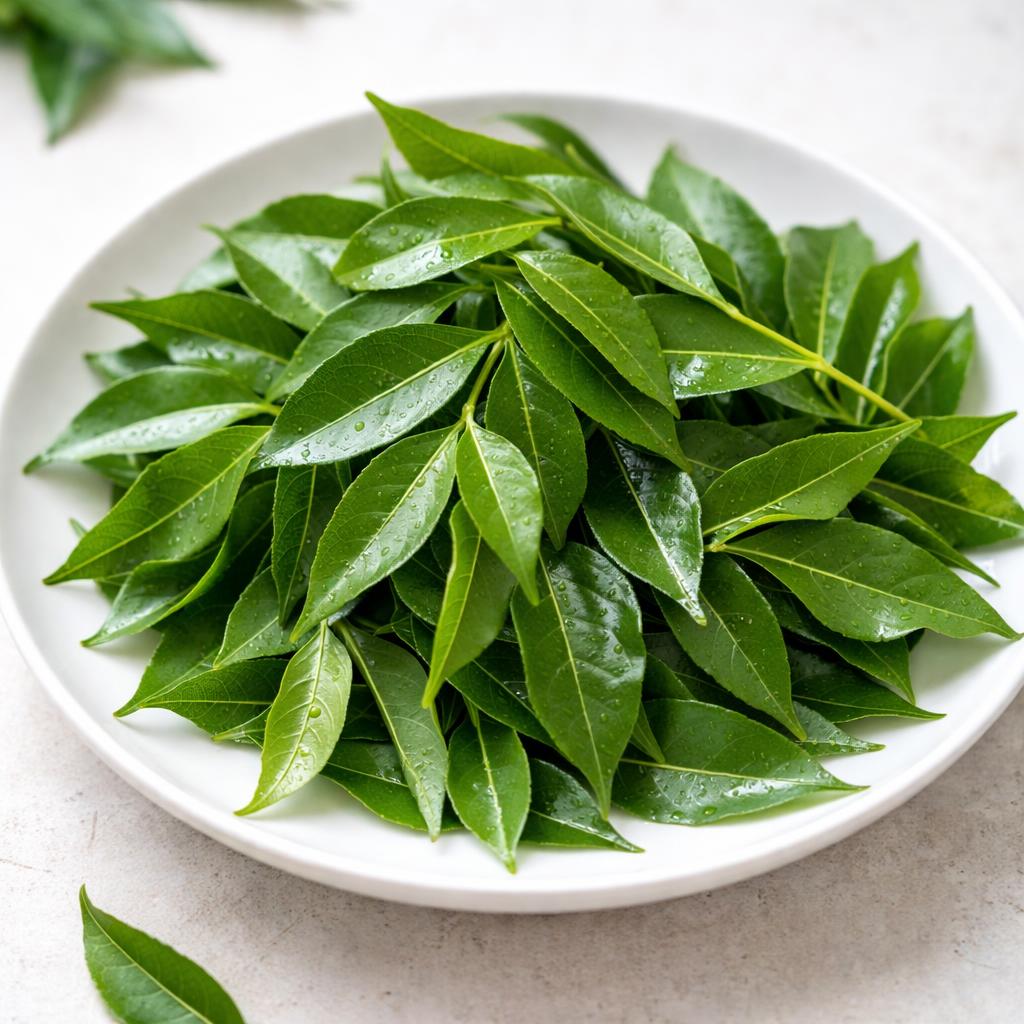
Curry Leaves
A fragrant and nutrient-rich herb used in South Asian cooking.
What is a Curry Leaves?
Curry leaves come from the curry tree (Murraya koenigii), native to South Asia, particularly India and Sri Lanka. They are small green leaves with a shiny appearance and are often used fresh or dried in cooking. This herbal ingredient is essential in many traditional dishes and has culinary and medicinal significance.
Curry leaves have a unique, aromatic taste that is slightly citrusy with a hint of nuttiness. Their texture is delicate but sturdy enough to hold up when fried. Commonly used in Indian, Sri Lankan, and Southeast Asian cuisines, they enhance dishes like curries, soups, stews, and chutneys.
Nutritionally, curry leaves are a great source of antioxidants, vitamins such as Vitamin C, Vitamin A, and calcium, along with unique phytochemicals, including alkaloids and flavonoids, that support overall health.
Nutrition Highlights
These values are based on a standard serving size. Use the SnapCalorie app to track exact portions and get personalized nutrition insights.

Smart Nutrition Tracking with SnapCalorie

Health Benefits of Curry Leaveses
Enhances Digestive Health
Curry leaves contain fiber and bioactive compounds that stimulate digestion, reduce bloating, and promote gut health. They have traditionally been used to combat indigestion and nausea.
- Rich in Fiber
- Rich in Antioxidants
Supports Heart Health
The antioxidants and anti-inflammatory agents in curry leaves may help reduce bad cholesterol levels and improve overall cardiovascular health by protecting blood vessels.
- Rich in Vitamin A
- Rich in Calcium
Promotes Brain Function
Curry leaves are rich in antioxidants that protect brain cells from oxidative stress, potentially improving memory and cognitive function over time.
- Rich in Vitamin A
- Rich in Phytochemicals
Boosts Immunity
With Vitamin C and other immune-supporting compounds, curry leaves can help strengthen the body's defense system against infections and illnesses.
- Rich in Vitamin C
- Rich in Antioxidants
Diet Compatibility
Is Curry Leaves suitable for your diet? Here's what you need to know:
Compare Curry Leaves to Similar Foods
See how Curry Leaves stacks up against other popular foods:
🍽️ How to Enjoy Curry Leaveses
Breakfast
Sauté alongside onions and spices for a fragrant topping on scrambled eggs or dosa.
Tip: Add a little coconut oil for enhanced aroma.
Lunch
Blend into chutneys or add to lentil-based soups and curries.
Tip: Briefly fry in oil to release essential flavors before using.
Dinner
Use in stir-fried vegetable dishes or as a garnish for meat-based curries.
Tip: Avoid overcooking to retain fragrance.
Snack
Deep-fry for crispy curry leaf chips or season with salt and chili powder.
Tip: Store chips in an airtight container for a healthy, flavorful snack.
✅ The Bottom Line
Curry leaves are a nutrient-rich herb that adds aroma and complexity to dishes while providing health benefits such as improved digestion, heart health, and brain support. With minimal calories and a host of essential nutrients, they are a valuable addition to any diet.
Use curry leaves fresh, dried, or sautéed briefly for the best flavor. Incorporate them into your meals to enhance both taste and nutrition, especially in soups, curries, and snacks.
Data Sources & Scientific References
Our nutrition data comes from trusted, authoritative sources to ensure accuracy and reliability.
- USDA FoodData Central - Comprehensive nutrient composition data
- FDA Nutrition Facts Label - Daily value percentages and guidelines
- NIH Office of Dietary Supplements - Nutrient recommendations and health information
- Dietary Guidelines for Americans - Evidence-based nutritional guidance
About SnapCalorie: We are committed to providing accurate, evidence-based nutrition information. Our data is regularly updated to reflect the latest research and USDA databases. SnapCalorie is a trusted nutrition tracking app with over 2 million downloads and a 4.8/5 star rating.


