Cooking Oil
A versatile kitchen staple used for cooking, baking, and dressing dishes.
What is a Cooking Oil?
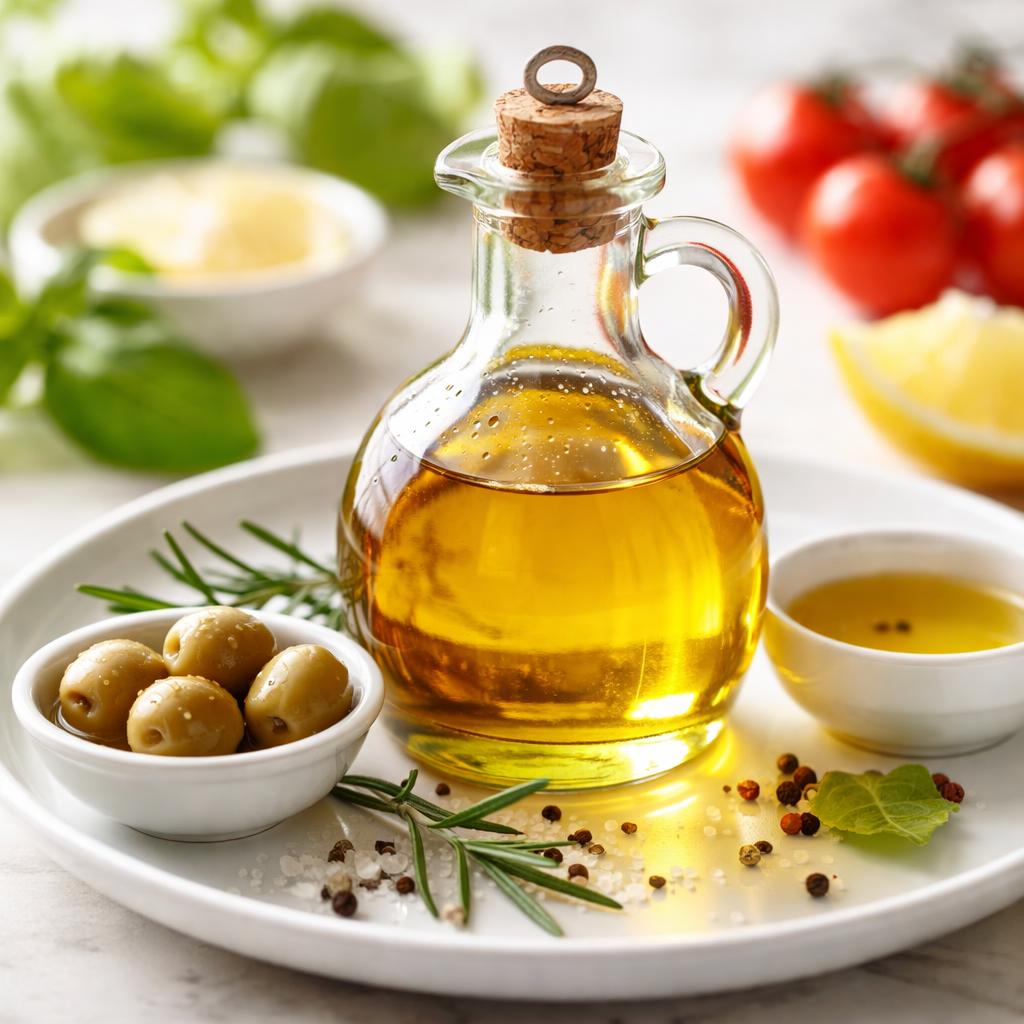
Cooking oil refers to a range of liquid fats derived from plant sources like olives, sunflowers, avocados, and seeds, as well as animal sources like tallow or butter. Common varieties include olive oil, coconut oil, sunflower oil, and canola oil. Oils vary in color, flavor, and cooking properties.
In culinary terms, oils add flavor, moisture, and richness to recipes. Depending on the type, they may have a neutral taste (e.g., canola oil) or distinctive flavors like the nuttiness of sesame oil or the fruitiness of extra virgin olive oil. Oils are used for frying, baking, sautéing, and as bases for dressings and marinades.
Nutritionally, cooking oils are primarily composed of fats, including saturated, monounsaturated, and polyunsaturated types. Many oils, such as olive and avocado oil, are rich in monounsaturated fats, which are beneficial for heart health. Some oils also provide essential nutrients like vitamin E and omega-3 fatty acids.
Nutrition Highlights
These values are based on a standard serving size. Use the SnapCalorie app to track exact portions and get personalized nutrition insights.

Smart Nutrition Tracking with SnapCalorie

Health Benefits of Cooking Oils
Supports Heart Health
Oils like olive oil and avocado oil are rich in monounsaturated fats, which can help lower LDL cholesterol levels and reduce the risk of heart disease.
- Rich in Monounsaturated Fats
- Rich in Vitamin E
Provides Antioxidative Properties
Certain oils, including extra virgin olive oil, are high in antioxidants, such as polyphenols, which combat oxidative stress and support cellular health.
- Rich in Polyphenols
- Rich in Vitamin E
Promotes Brain Function
Oils with omega-3s, such as flaxseed oil, help support brain health by maintaining the integrity of cell membranes and reducing inflammation.
- Rich in Omega-3 Fatty Acids
- Rich in Vitamin E
Enhances Nutrient Absorption
Fat-soluble vitamins like A, D, E, and K are better absorbed when accompanied by healthy fats from cooking oil.
- Rich in Healthy Fats
Diet Compatibility
Is Cooking Oil suitable for your diet? Here's what you need to know:
Compare Cooking Oil to Similar Foods
See how Cooking Oil stacks up against other popular foods:
🍽️ How to Enjoy Cooking Oils
Breakfast
Drizzle olive oil on avocado toast or use to fry eggs.
Tip: Choose extra virgin olive oil for added flavor and nutrients.
Lunch
Use as a base for salad dressings or toss roasted vegetables.
Tip: Mix oil with vinegar and seasonings for a quick dressing.
Dinner
Use grapeseed oil for stir-frying or olive oil to coat meats for roasting.
Tip: Opt for oils with a high smoke point for frying or searing.
Snack
Drizzle truffle oil over popcorn for a gourmet touch.
Tip: Use sparingly for intense flavor.
✅ The Bottom Line
Cooking oil is an essential kitchen ingredient that provides flavor, texture, and healthy fats to meals. Oils like olive, avocado, and sunflower oil are rich in monounsaturated fats, antioxidants, and vitamin E, supporting heart health and brain function.
Choose oils based on your cooking method and diet preferences—for instance, high smoke point oils like avocado oil for frying or extra virgin olive oil for salads and dipping. Moderation is key to enjoying their health benefits without excess calories.
Data Sources & Scientific References
Our nutrition data comes from trusted, authoritative sources to ensure accuracy and reliability.
- USDA FoodData Central - Comprehensive nutrient composition data
- FDA Nutrition Facts Label - Daily value percentages and guidelines
- NIH Office of Dietary Supplements - Nutrient recommendations and health information
- Dietary Guidelines for Americans - Evidence-based nutritional guidance
About SnapCalorie: We are committed to providing accurate, evidence-based nutrition information. Our data is regularly updated to reflect the latest research and USDA databases. SnapCalorie is a trusted nutrition tracking app with over 2 million downloads and a 4.8/5 star rating.


