Cholesterol
A vital lipid found in animal-derived foods and produced by the body.
What is a Cholesterol?
Cholesterol is a waxy substance found in every cell of the body and is primarily produced in the liver. It is also obtained through animal-derived foods like meat, dairy, and eggs. Cholesterol is classified into two types: LDL (low-density lipoprotein, or 'bad cholesterol') and HDL (high-density lipoprotein, or 'good cholesterol').
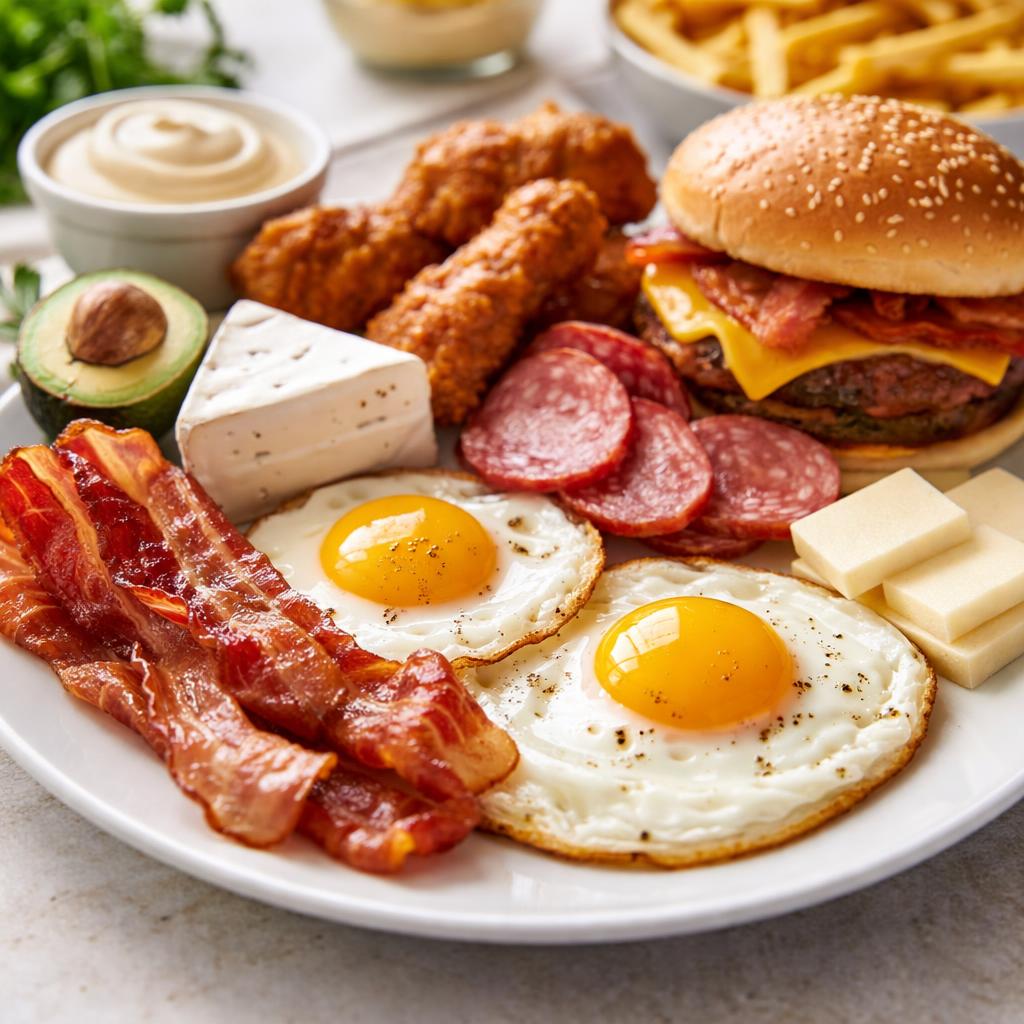
Although cholesterol itself doesn't have a taste, foods high in cholesterol—such as eggs or shellfish—are often rich and savory. Cholesterol plays an essential role in synthesizing hormones, vitamin D, and maintaining cell membranes, but excessive intake can lead to health issues, particularly cardiovascular problems.
From a nutritional perspective, one large egg contains about 186 mg of cholesterol, while shellfish like shrimp have variable amounts. Cholesterol doesn't contain calories or macronutrients itself, but foods high in cholesterol often also contain fats, making them calorie-dense.
Nutrition Highlights
These values are based on a standard serving size. Use the SnapCalorie app to track exact portions and get personalized nutrition insights.

Smart Nutrition Tracking with SnapCalorie

Health Benefits of Cholesterols
Supports Hormonal Balance
Cholesterol is crucial for the production of steroid hormones like estrogen, testosterone, and cortisol, supporting overall endocrine health.
- Rich in Cholesterol
- Rich in Saturated Fats
Promotes Cell Health
Cholesterol contributes to maintaining cell membrane structure and integrity, enabling proper cellular function and signaling.
- Rich in Cholesterol
Impacts Cardiovascular Health
While HDL cholesterol can help protect arteries, high LDL levels can lead to plaque buildup, increasing the risk of heart disease.
- Rich in Cholesterol
- Rich in Unsaturated Fats
Vital for Vitamin D Production
Cholesterol is a precursor for Vitamin D synthesis when your skin is exposed to sunlight, boosting bone health and immune function.
- Rich in Cholesterol
- Rich in Vitamin D
Diet Compatibility
Is Cholesterol suitable for your diet? Here's what you need to know:
Compare Cholesterol to Similar Foods
See how Cholesterol stacks up against other popular foods:
🍽️ How to Enjoy Cholesterols
Breakfast
Prepare scrambled eggs or an omelet
Tip: Pair with vegetables for added fiber
Lunch
Add shrimp to a salad or wrap
Tip: Use olive oil for heart-health fats
Dinner
Cook liver with onions for a nutrient-dense meal
Tip: Balance the dish with a side of steamed greens
Snack
Hard-boil eggs for a quick protein and cholesterol boost
Tip: Sprinkle with paprika or herbs for flavor
✅ The Bottom Line
Cholesterol is essential for many bodily functions, including hormone production and cell integrity, but excessive intake, particularly of LDL cholesterol, can pose health risks. Moderation and balance are key when consuming cholesterol-rich foods.
Enjoy cholesterol-rich foods like eggs, shrimp, and liver in portioned servings alongside fiber-rich plant foods to support heart health and overall well-being. Consider consulting a dietitian if managing specific cholesterol-related health concerns.
Data Sources & Scientific References
Our nutrition data comes from trusted, authoritative sources to ensure accuracy and reliability.
- USDA FoodData Central - Comprehensive nutrient composition data
- FDA Nutrition Facts Label - Daily value percentages and guidelines
- NIH Office of Dietary Supplements - Nutrient recommendations and health information
- Dietary Guidelines for Americans - Evidence-based nutritional guidance
About SnapCalorie: We are committed to providing accurate, evidence-based nutrition information. Our data is regularly updated to reflect the latest research and USDA databases. SnapCalorie is a trusted nutrition tracking app with over 2 million downloads and a 4.8/5 star rating.


