Chili Pepper
A fiery vegetable that adds spice and nutrients to dishes worldwide
What is a Chili Pepper?
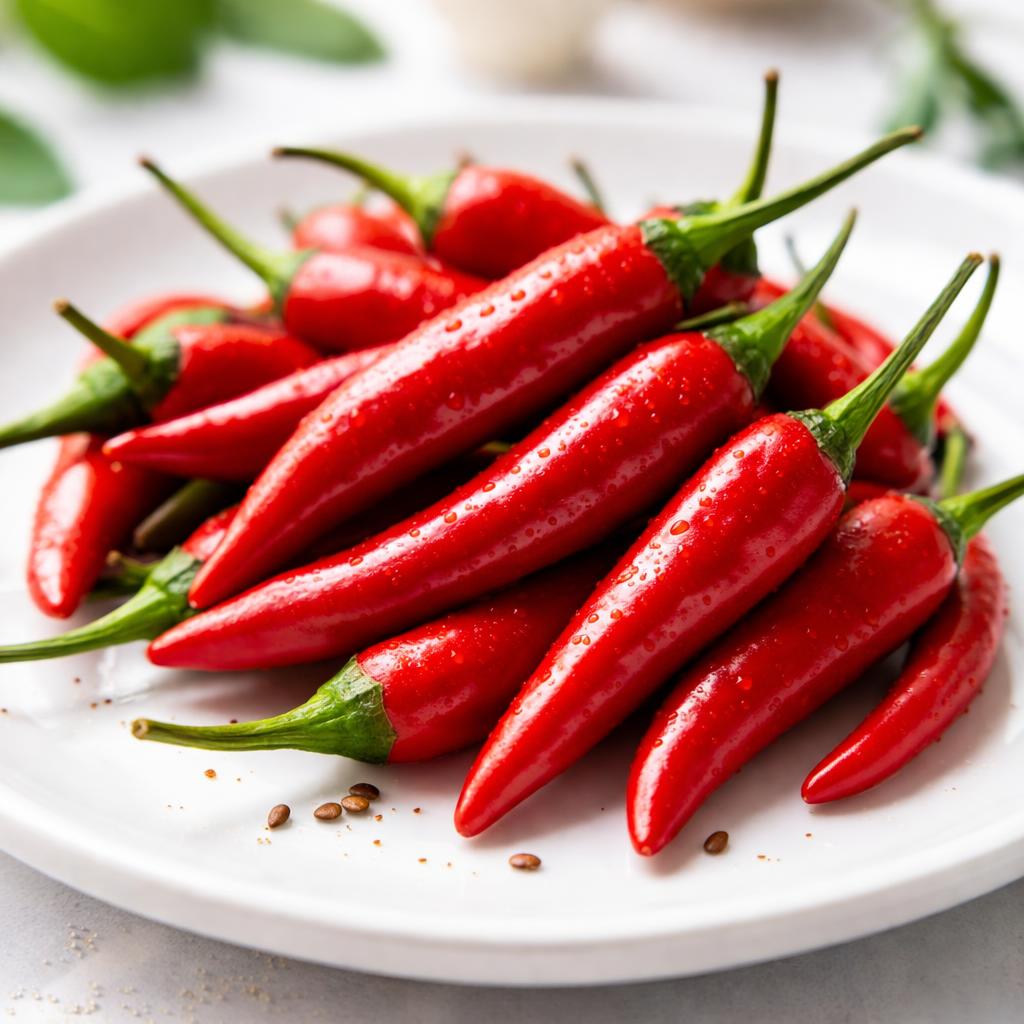
Chili peppers are fruits belonging to the Capsicum genus and are widely used in cuisines across the globe. Originating from Central and South America, they come in many varieties such as jalapeños, habaneros, cayenne, and bell peppers, each varying in heat level and color. Their cultivation dates back thousands of years and they are celebrated for their distinctive pungency.
Chili peppers range from sweet and mild to extremely hot, depending on their capsaicin concentration. Their texture is typically crisp when fresh and chewy or powdery when dried. They are commonly used fresh, dried, or powdered to spice up salsas, curries, stir-fries, and marinades, or to add color and flavor to dishes.
Nutritionally, chili peppers are rich in vitamins A, C, and E, as well as minerals like potassium. They also contain capsaicin, a compound responsible for their heat and known for its anti-inflammatory and metabolism-boosting properties.
Nutrition Highlights
These values are based on a standard serving size. Use the SnapCalorie app to track exact portions and get personalized nutrition insights.

Smart Nutrition Tracking with SnapCalorie

Health Benefits of Chili Peppers
Boosts Immunity
Rich in vitamin C and vitamin A, chili peppers support immune function by promoting the production of white blood cells and protecting cells from oxidative stress.
- Rich in Vitamin C
- Rich in Vitamin A
Supports Weight Management
Capsaicin in chili peppers has been shown to increase metabolism and may help reduce appetite, supporting weight management and fat loss efforts.
- Rich in Capsaicin
Promotes Heart Health
Chili peppers may help improve blood circulation and reduce blood pressure thanks to their capsaicin content, which promotes vascular health.
- Rich in Capsaicin
- Rich in Potassium
May Reduce Pain
Capsaicin can act as a natural pain reliever by affecting pain receptors, and it is often used in topical treatments for joint and muscle pain.
- Rich in Capsaicin
Diet Compatibility
Is Chili Pepper suitable for your diet? Here's what you need to know:
Compare Chili Pepper to Similar Foods
See how Chili Pepper stacks up against other popular foods:
🍽️ How to Enjoy Chili Peppers
Breakfast
Dice fresh chili peppers into scrambled eggs or omelets
Tip: Pair with cheese for a creamy balance to the heat
Lunch
Add sliced chilies to salads or wraps
Tip: Use fresh lime juice to complement the spice
Dinner
Incorporate into chili, curries, or fajitas
Tip: Cook slowly to deepen the flavor without overwhelming heat
Snack
Make spicy roasted chickpeas or chili-jam as a dip
Tip: Combine with honey for a sweet-spicy twist
✅ The Bottom Line
Chili peppers are nutritional powerhouses packed with vitamins and capsaicin, offering numerous health benefits including supporting immunity, heart health, weight management, and possibly reducing pain. Their versatility makes them a valuable addition to a variety of meals.
Include chili peppers in your diet by experimenting with fresh or dried varieties, adjusting the heat level to your liking, and incorporating them into savory dishes, marinades, or snacks for an extra kick of flavor and nutrients.
Data Sources & Scientific References
Our nutrition data comes from trusted, authoritative sources to ensure accuracy and reliability.
- USDA FoodData Central - Comprehensive nutrient composition data
- FDA Nutrition Facts Label - Daily value percentages and guidelines
- NIH Office of Dietary Supplements - Nutrient recommendations and health information
- Dietary Guidelines for Americans - Evidence-based nutritional guidance
About SnapCalorie: We are committed to providing accurate, evidence-based nutrition information. Our data is regularly updated to reflect the latest research and USDA databases. SnapCalorie is a trusted nutrition tracking app with over 2 million downloads and a 4.8/5 star rating.


