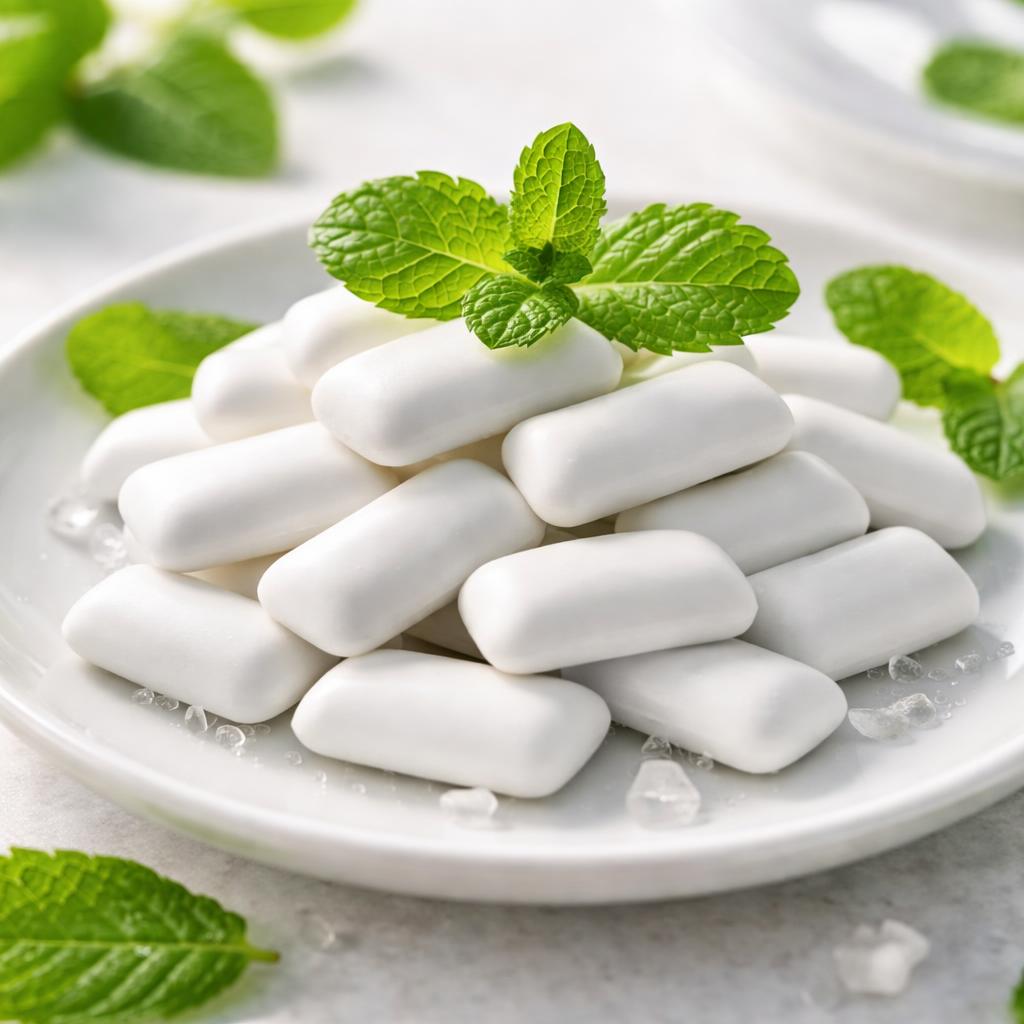
Chewing Gum
A chewy treat often used for freshening breath and reducing cravings.
What is a Chewing Gum?
Chewing gum is a soft, pliable substance made primarily from synthetic polymers, such as rubber-like materials, combined with sweeteners, flavors, and additives. Originating from natural tree resins, such as chicle, modern varieties now use artificial substitutes. Popular types include mint, fruit-flavored, and sugar-free gums.
The taste of chewing gum depends on added flavoring, with options ranging from refreshing mint to sweet fruity blends. The texture starts soft and can become denser as chewing progresses, making it ideal for prolonged use. It is not intended for consumption and is often discarded after chewing.
Typically, chewing gum offers minimal nutritional value. Sugar-free variants may include xylitol or sorbitol, which are low-calorie sugar substitutes. While some gums are marketed as dental-friendly, most provide fewer than 10 calories per serving and are devoid of essential nutrients.
Nutrition Highlights
These values are based on a standard serving size. Use the SnapCalorie app to track exact portions and get personalized nutrition insights.

Smart Nutrition Tracking with SnapCalorie

Health Benefits of Chewing Gums
Supports Dental Health
Sugar-free gum stimulates saliva production, which helps neutralize acid and reduce plaque buildup, promoting healthier teeth and gums.
- Rich in Xylitol
- Rich in Sorbitol
Reduces Cravings
Chewing gum can help curb appetite and reduce snack cravings, making it a beneficial tool for weight management.
- Rich in Low-calorie sweeteners
Improves Focus and Alertness
The act of chewing gum has been linked to increased cognitive function, alertness, and improved concentration during tasks.
- Rich in None directly—behavioral benefit
Diet Compatibility
Is Chewing Gum suitable for your diet? Here's what you need to know:
Compare Chewing Gum to Similar Foods
See how Chewing Gum stacks up against other popular foods:
🍽️ How to Enjoy Chewing Gums
Breakfast
Chew after breakfast for fresh breath.
Tip: Opt for sugar-free gum to protect teeth after eating.
Lunch
Use as a post-meal palate cleanser.
Tip: Choose mint flavors to neutralize strong lunch odors like garlic or onions.
Dinner
Chew a piece while tidying the kitchen or preparing dessert.
Tip: Sugar-free options can aid digestion by stimulating saliva production.
Snack
Chew gum to curb cravings for high-calorie snacks.
Tip: Keep a pack on hand to avoid emotional or bored eating.
✅ The Bottom Line
Chewing gum is a calorie-friendly and convenient option to freshen breath, curb cravings, and even promote dental health if sugar-free. While its nutritional value is minimal, it can offer behavioral benefits like improved focus and appetite control.
Best used as a tool to support oral hygiene or manage snack cravings during the day, chewing gum is compatible with most diets, except strictly natural ones like Paleo. Keep sugar-free gum handy for fresh breath and healthier teeth.
Data Sources & Scientific References
Our nutrition data comes from trusted, authoritative sources to ensure accuracy and reliability.
- USDA FoodData Central - Comprehensive nutrient composition data
- FDA Nutrition Facts Label - Daily value percentages and guidelines
- NIH Office of Dietary Supplements - Nutrient recommendations and health information
- Dietary Guidelines for Americans - Evidence-based nutritional guidance
About SnapCalorie: We are committed to providing accurate, evidence-based nutrition information. Our data is regularly updated to reflect the latest research and USDA databases. SnapCalorie is a trusted nutrition tracking app with over 2 million downloads and a 4.8/5 star rating.


