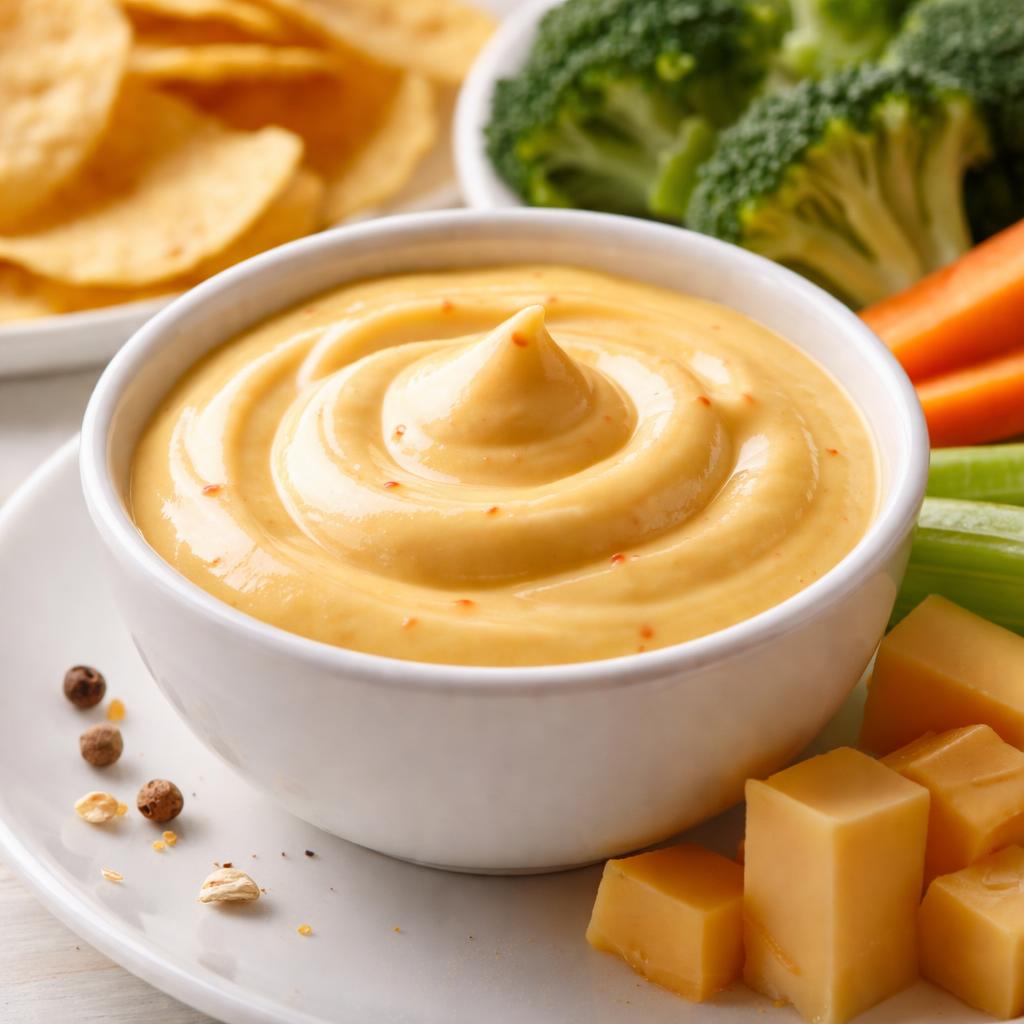
Cheese Sauce
A creamy, savory sauce perfect for enhancing comfort foods like pasta, vegetables, and more.
What is Cheese Sauce?
Cheese sauce is a rich and creamy sauce primarily made by combining cheese with a liquid base like milk or cream, using a thickener such as flour or cornstarch. Originating in European cuisine, particularly in French and British dishes, cheese sauces include varieties like béchamel-based Mornay sauce or the American-style nacho cheese sauce.
The flavor can range from mild and buttery to tangy and sharp, depending on the type of cheese used. It has a silky texture when made correctly and is ideal for coating dishes like mac and cheese, vegetables, or nachos. Popular choices of cheese include cheddar, Parmesan, Gouda, or a mix.
Cheese sauce provides notable amounts of calcium, fat, and protein, making it nutrient-dense but also calorie-rich. It often contains sodium in significant amounts, so portion control is recommended.
Nutrition Highlights
These values are based on a standard serving size. Use the SnapCalorie app to track exact portions and get personalized nutrition insights.

Smart Nutrition Tracking with SnapCalorie

Health Benefits of Cheese Sauce
Supports Bone Health
Cheese sauce is a good source of calcium, which is crucial for building and maintaining strong bones and teeth. Calcium also plays a key role in muscle function and nerve signaling.
- Rich in Calcium
- Rich in Phosphorus
Boosts Energy
Cheese sauce provides fats and proteins, which are excellent sources of sustained energy for the body. The fats also help with the absorption of fat-soluble vitamins.
- Rich in Fat
- Rich in Protein
Enhances Muscle Repair and Growth
The protein content in cheese sauce supports muscle repair and growth, making it a companion to meals that fuel recovery, especially for physically active individuals.
- Rich in Protein
- Rich in Amino Acids
Promotes Nerve Function
The calcium and phosphorus in cheese sauce also aid in nerve function and play a role in maintaining proper communication between your brain and muscles.
- Rich in Calcium
- Rich in Phosphorus
Diet Compatibility
Is Cheese Sauce suitable for your diet? Here's what you need to know:
Compare Cheese Sauce to Similar Foods
See how Cheese Sauce stacks up against other popular foods:
🍽️ How to Enjoy Cheese Sauce
Breakfast
Drizzle over scrambled eggs or breakfast potatoes.
Tip: Pair with fresh veggies to balance the heaviness.
Lunch
Use as a dip for steamed broccoli or cauliflower.
Tip: Top off baked potatoes for a hearty meal.
Dinner
Stir into pasta for a creamy mac and cheese.
Tip: Combine with roasted chicken or grilled vegetables for a nutritious dish.
Snack
Serve as a dip for nachos or soft pretzels.
Tip: Add a little spice, like cayenne or paprika, for an extra kick.
✅ The Bottom Line
Cheese sauce is a delicious and versatile addition to many dishes, offering richness and a creamy texture. While it provides key nutrients like calcium and protein, it is also calorie- and sodium-dense, so moderation is key.
Enjoy cheese sauce as an occasional indulgence or adapt it to fit your dietary needs by using plant-based or low-calorie alternatives. It enhances everything from comfort foods to snack-time favorites, making it a practical addition to a balanced diet.
Data Sources & Scientific References
Our nutrition data comes from trusted, authoritative sources to ensure accuracy and reliability.
- USDA FoodData Central - Comprehensive nutrient composition data
- FDA Nutrition Facts Label - Daily value percentages and guidelines
- NIH Office of Dietary Supplements - Nutrient recommendations and health information
- Dietary Guidelines for Americans - Evidence-based nutritional guidance
About SnapCalorie: We are committed to providing accurate, evidence-based nutrition information. Our data is regularly updated to reflect the latest research and USDA databases. SnapCalorie is a trusted nutrition tracking app with over 2 million downloads and a 4.8/5 star rating.


