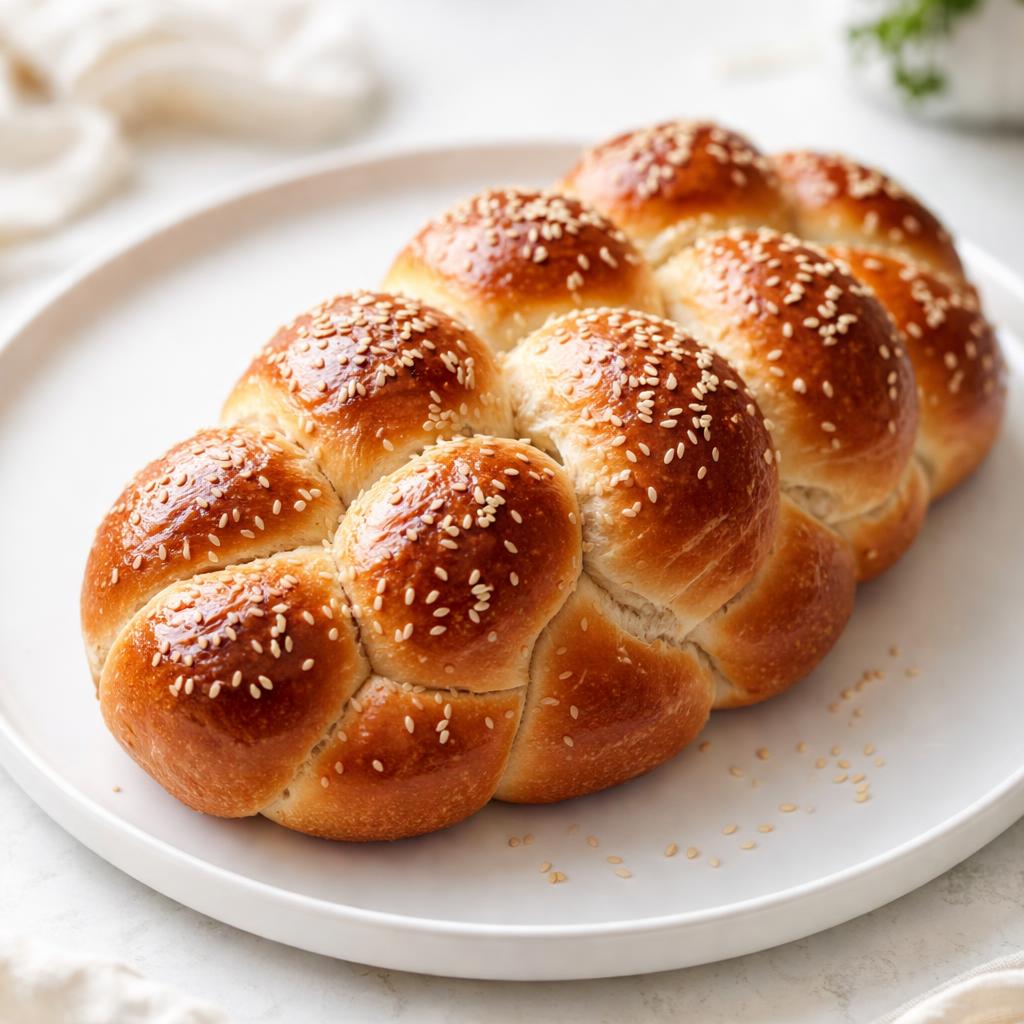
Challah
A rich, slightly sweet braided bread often enjoyed during celebrations
What is a Challah?
Challah is a traditional Jewish bread commonly prepared for Shabbat and holidays like Rosh Hashanah. It is a braided yeast bread, enriched with eggs, oil, and sugar, which gives it a soft texture and golden color. Variations include toppings like sesame seeds, poppy seeds, or sweetened cinnamon sugar.
The taste of challah is mildly sweet and rich, thanks to its egg and sugar content, while the texture is fluffy yet slightly chewy. It can be used in a wide range of dishes, from sweet French toast to savory sandwiches or served plain alongside soups and salads.
Challah provides mostly carbohydrates, along with small amounts of protein and fat due to its egg and oil content. While it is not an exceptionally nutrient-dense food, it is often fortified with vitamins like B6 and B12 in some commercial varieties.
Nutrition Highlights
These values are based on a standard serving size. Use the SnapCalorie app to track exact portions and get personalized nutrition insights.

Smart Nutrition Tracking with SnapCalorie

Health Benefits of Challahs
Provides Sustained Energy
Challah bread, being high in complex carbohydrates, offers a steady release of energy, making it a good option for fueling physical activities or morning meals.
- Rich in Carbohydrates
- Rich in B Vitamins
Supports Brain Function
The eggs in challah contribute choline, a nutrient that supports brain health and cognitive function.
- Rich in Choline
- Rich in B Vitamins
Encourages Family and Cultural Connection
Traditionally, challah is a food designed to bring people together during meals, fostering a shared sense of culture and community.
- Rich in Social Tradition
- Rich in Comfort
Diet Compatibility
Is Challah suitable for your diet? Here's what you need to know:
Compare Challah to Similar Foods
See how Challah stacks up against other popular foods:
🍽️ How to Enjoy Challahs
Breakfast
Use for rich French toast
Tip: Top with fresh berries and maple syrup for added flavor
Lunch
Make gourmet sandwiches
Tip: Pair with turkey, lettuce, and avocado for a balanced meal
Dinner
Use as an accompaniment to soups or stews
Tip: Serve warm to complement hearty dishes
Snack
Toast slices and add butter or jam
Tip: Sprinkle cinnamon sugar for a sweeter alternative
✅ The Bottom Line
Challah is a delicious and versatile bread that offers carbohydrates and small amounts of protein and fat, making it a rich, energy-dense option for meals or snacks. Its cultural significance adds a special meaning to its enjoyment at family or community gatherings.
Although not compatible with specialty diets like keto or gluten-free, challah can be a delightful addition to regular diets, especially for celebratory meals. Use it creatively in both sweet and savory dishes to maximize its culinary potential.
Data Sources & Scientific References
Our nutrition data comes from trusted, authoritative sources to ensure accuracy and reliability.
- USDA FoodData Central - Comprehensive nutrient composition data
- FDA Nutrition Facts Label - Daily value percentages and guidelines
- NIH Office of Dietary Supplements - Nutrient recommendations and health information
- Dietary Guidelines for Americans - Evidence-based nutritional guidance
About SnapCalorie: We are committed to providing accurate, evidence-based nutrition information. Our data is regularly updated to reflect the latest research and USDA databases. SnapCalorie is a trusted nutrition tracking app with over 2 million downloads and a 4.8/5 star rating.


