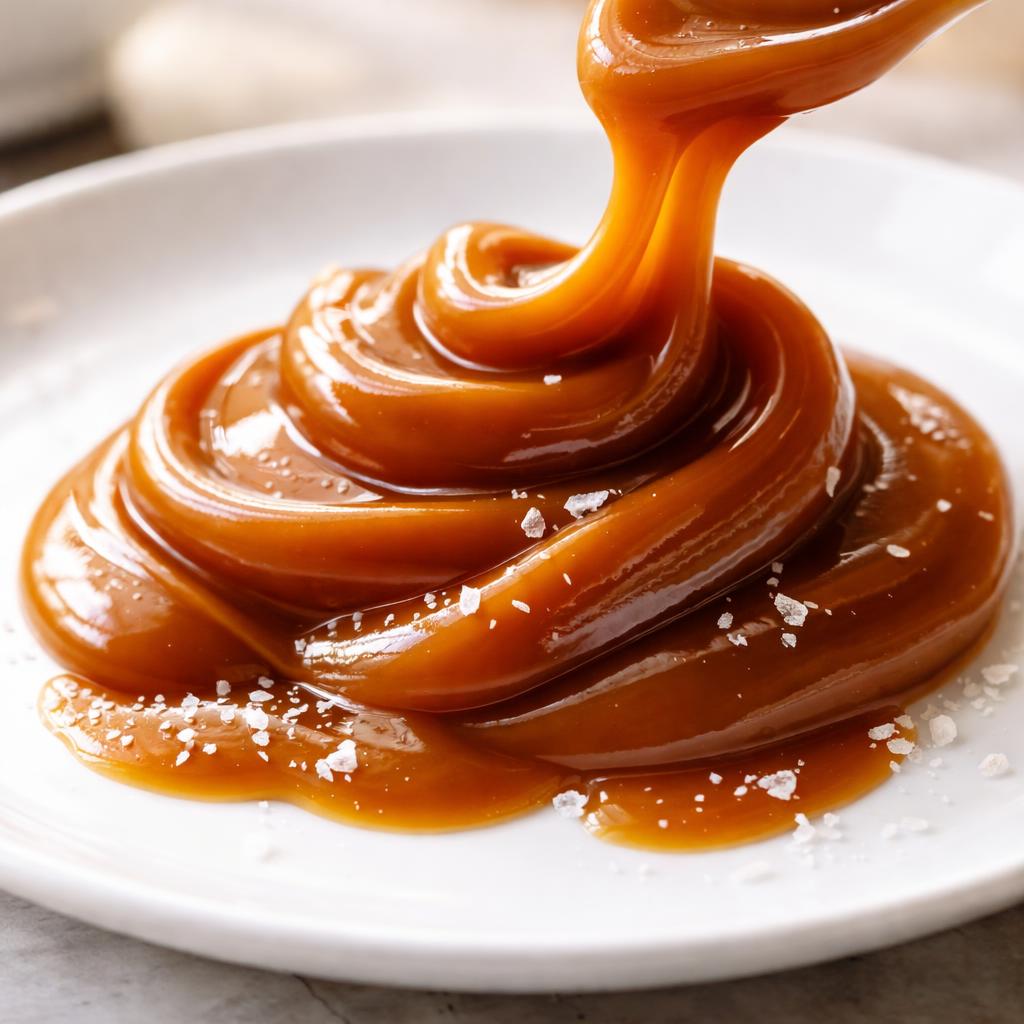
Caramel
A rich and sweet confection made from caramelized sugar that's perfect for desserts and treats
What is Caramel?
Caramel is created by heating sugar until it melts and undergoes chemical changes that produce a rich, golden-brown color and complex flavor profile. It is believed to have origins in Europe and the Middle East, where methods of sugar refinement were developed. Caramel is available in a variety of forms, such as soft chewy candies, liquid syrup, or solid chunks used as flavorings.
The taste of caramel is deep, sweet, and slightly buttery, with hints of toasted sugar. Its texture can range from creamy (as in caramel sauce) to crunchy (as in brittle). It is a versatile ingredient found in numerous desserts, from ice cream sundaes and flan to caramel apples and pastries.
From a nutrition perspective, caramel primarily consists of sugar, and when made, it might include butter, cream, or alternative dairy-free bases. While it primarily provides simple carbohydrates, it is not a source of significant vitamins or minerals. Moderation is key when enjoying caramel due to its high sugar content.
Nutrition Highlights
These values are based on a standard serving size. Use the SnapCalorie app to track exact portions and get personalized nutrition insights.

Smart Nutrition Tracking with SnapCalorie

Health Benefits of Caramel
Provides Quick Energy
The high sugar content in caramel makes it a quick source of energy, ideal for situations where you need an immediate blood sugar boost.
- Rich in Simple Carbohydrates (Sugar)
Mood Enhancement
Enjoying sweet treats like caramel can temporarily boost mood by increasing serotonin and dopamine levels, offering a feeling of happiness.
- Rich in Glucose (from sugar)
Great for Culinary Creativity
Though not primarily a nutrient, caramel allows culinary enthusiasts to explore its use in various recipes, enhancing both flavor and texture.
- Rich in None (culinary-focused benefit)
Diet Compatibility
Is Caramel suitable for your diet? Here's what you need to know:
Compare Caramel to Similar Foods
See how Caramel stacks up against other popular foods:
🍽️ How to Enjoy Caramel
Breakfast
Drizzle over pancakes or waffles
Tip: Use lightly to balance sweetness
Lunch
Incorporate into baked goods like caramel-filled muffins
Tip: Pair with nuts or fruits for texture contrast
Dinner
Use in a savory-sweet glaze for roasted vegetables or meats
Tip: Mix with soy sauce or balsamic vinegar for depth
Snack
Dip apple slices or popcorn into caramel sauce
Tip: Use small amounts for a satisfying treat without overindulging
✅ The Bottom Line
Caramel is a beloved sweet ingredient known for its rich, toasty flavor and versatility in desserts and snacks. While it primarily provides simple carbohydrates by way of sugar, it lacks significant nutritional value and should be consumed in moderation.
Enjoy caramel as a flavorful addition to dishes or quick treats, but aim to balance it with nutrient-dense foods like fruits, nuts, or grains to create more well-rounded meals or snacks.
Data Sources & Scientific References
Our nutrition data comes from trusted, authoritative sources to ensure accuracy and reliability.
- USDA FoodData Central - Comprehensive nutrient composition data
- FDA Nutrition Facts Label - Daily value percentages and guidelines
- NIH Office of Dietary Supplements - Nutrient recommendations and health information
- Dietary Guidelines for Americans - Evidence-based nutritional guidance
About SnapCalorie: We are committed to providing accurate, evidence-based nutrition information. Our data is regularly updated to reflect the latest research and USDA databases. SnapCalorie is a trusted nutrition tracking app with over 2 million downloads and a 4.8/5 star rating.


