Calories
Calories: the energy measurement our bodies rely on to fuel daily activities.
What is a Calories?
A calorie is a unit of energy that measures how much energy food provides to your body. It originates from the Latin term 'calor,' meaning heat, and is a critical component in understanding dietary energy intake. It is not a food itself but a way to quantify the energy food contains.
Calories don't have a taste or texture since they're not a food—they're the energy derived from macronutrients: carbohydrates, proteins, and fats. Every food with these macronutrients contains calories that nourish our bodies and sustain activities, from cellular processes to running a marathon.
On a nutritional level, calories fuel every single bodily function. Carbohydrates and proteins each provide 4 calories per gram, fats provide 9 calories per gram, and alcohol provides 7 calories per gram. The balance of calories consumed and expended is key to maintaining a healthy weight and supporting all bodily functions.
Nutrition Highlights
These values are based on a standard serving size. Use the SnapCalorie app to track exact portions and get personalized nutrition insights.

Smart Nutrition Tracking with SnapCalorie

Health Benefits of Calorieses
Provides Energy for Body Functions
Calories are essential for powering everything from breathing and digestion to physical exercise. Without adequate calorie intake, your energy levels plummet.
- Rich in Carbohydrates
- Rich in Proteins
- Rich in Fats
Supports Physical Performance
Sufficient calorie intake enhances stamina and athletic performance, providing fuel for muscles and aiding recovery after exercise.
- Rich in Carbohydrates
- Rich in Protein
Boosts Cognitive Function
Calories support brain functions like focus, memory, and problem-solving by giving cells the energy required to function properly.
- Rich in Glucose from Carbohydrates
Regulates Metabolism
A balanced intake of calories maintains healthy metabolic activity, ensuring the body burns and stores energy efficiently.
- Rich in Carbohydrates
- Rich in Fats
Diet Compatibility
Is Calories suitable for your diet? Here's what you need to know:
Compare Calories to Similar Foods
See how Calories stacks up against other popular foods:
🍽️ How to Enjoy Calorieses
Breakfast
Include a balance of carbs, proteins, and healthy fats (e.g., oatmeal with nuts and berries).
Tip: Start your day with at least 300-500 calories to fuel morning activities.
Lunch
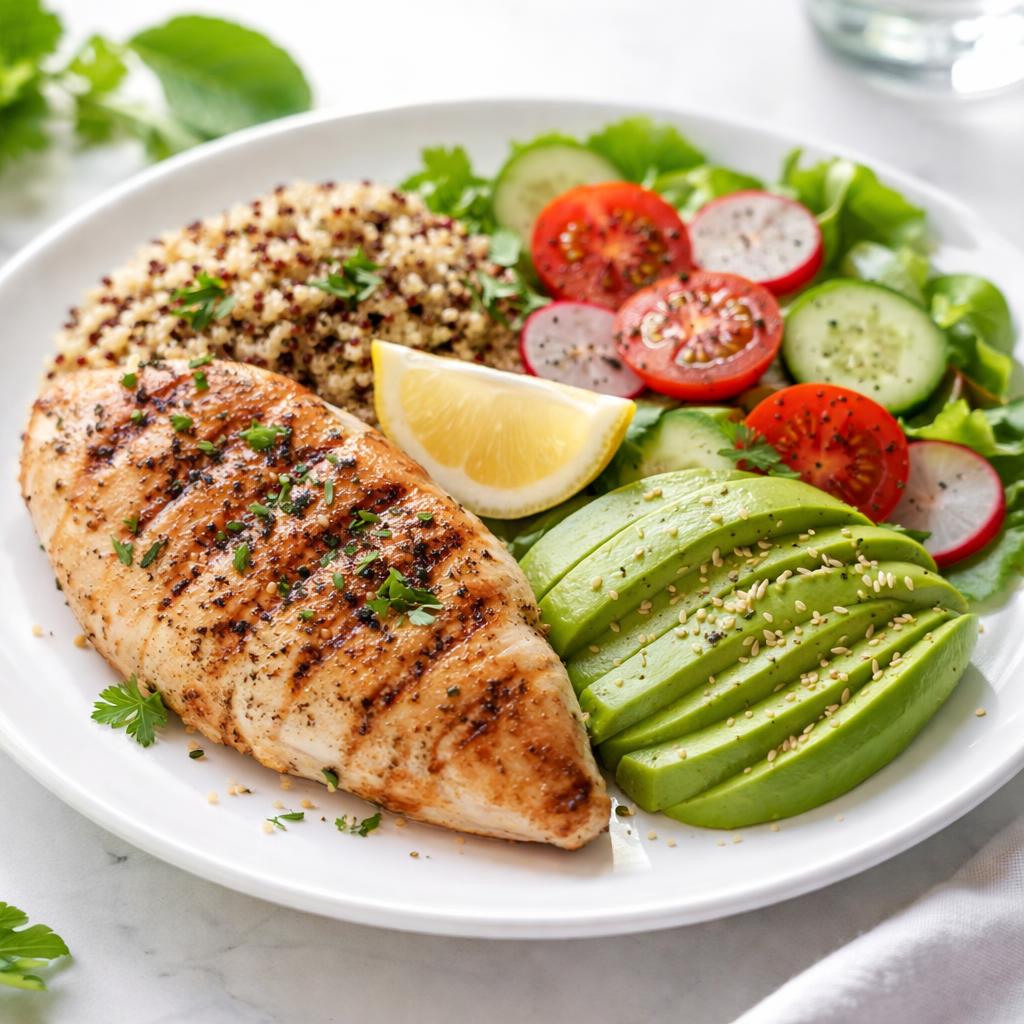
Opt for a high-energy meal like a quinoa salad with grilled chicken and avocado.
Tip: Aim for a balanced mix of macronutrients to prevent an afternoon energy slump.
Dinner
Enjoy roasted salmon with a side of sweet potatoes and steamed broccoli.
Tip: Keep dinner lighter to avoid disrupting sleep while still meeting calorie needs.
Snack
Grab a handful of nuts or a banana with peanut butter.
Tip: Choose snacks that provide sustained energy between meals.
✅ The Bottom Line
Calories are more than just a measure of food energy—they’re the cornerstone of all bodily functions, from powering your daily activities to supporting optimal health. Balancing your calorie intake with physical activity is essential for maintaining a healthy lifestyle.
To incorporate calories effectively into your diet, focus on nutrient-dense foods like fruits, vegetables, lean proteins, whole grains, and healthy fats. Enjoy your meals mindfully and adjust portions to align with your individual energy needs.
Data Sources & Scientific References
Our nutrition data comes from trusted, authoritative sources to ensure accuracy and reliability.
- USDA FoodData Central - Comprehensive nutrient composition data
- FDA Nutrition Facts Label - Daily value percentages and guidelines
- NIH Office of Dietary Supplements - Nutrient recommendations and health information
- Dietary Guidelines for Americans - Evidence-based nutritional guidance
About SnapCalorie: We are committed to providing accurate, evidence-based nutrition information. Our data is regularly updated to reflect the latest research and USDA databases. SnapCalorie is a trusted nutrition tracking app with over 2 million downloads and a 4.8/5 star rating.


