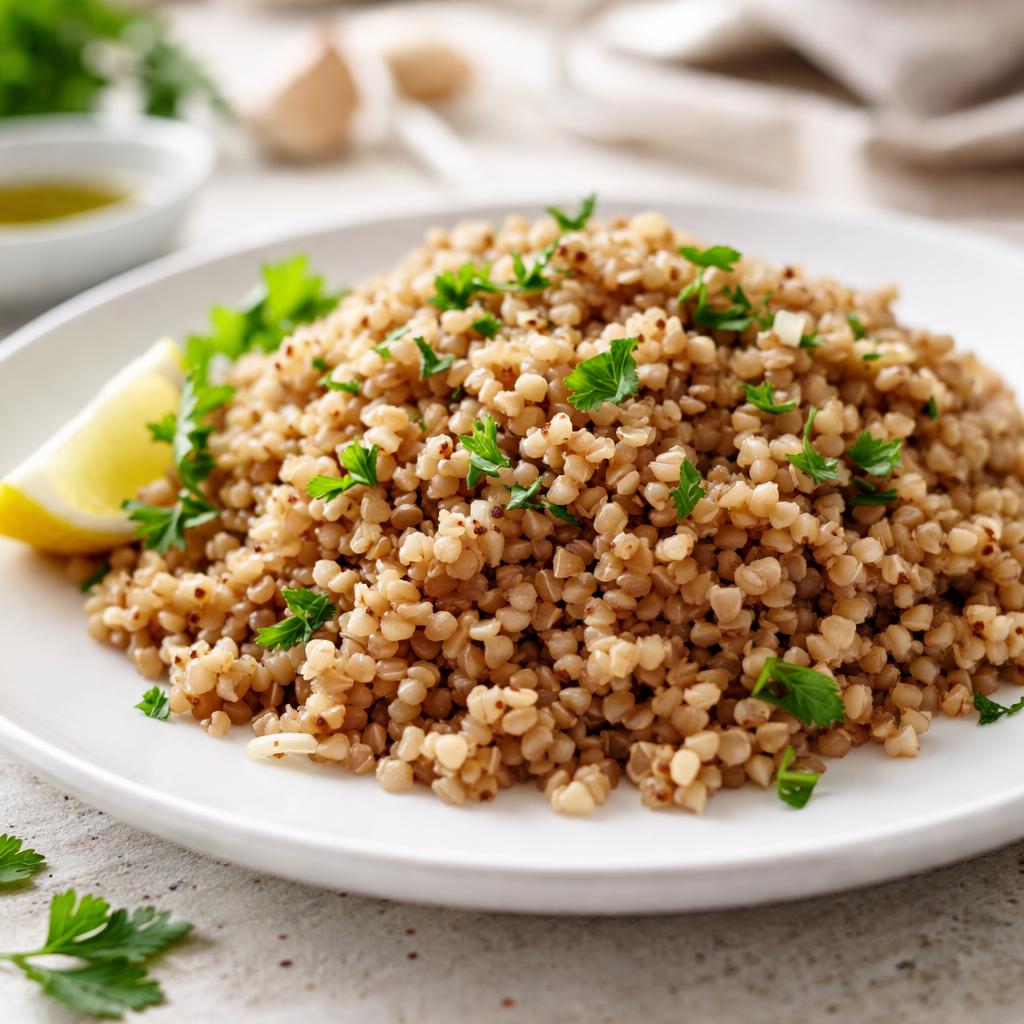
Buckwheat
A gluten-free pseudo-grain loaded with nutrients and versatility
What is a Buckwheat?
Buckwheat is a gluten-free pseudocereal, meaning it resembles grains but is actually a seed, often used in a variety of cuisines worldwide. Native to Central Asia, it has been cultivated for centuries and is primarily used for making soba noodles, porridge, pancakes, and flour. Varieties include hulled buckwheat (often seen as groats) and toasted buckwheat (kasha).
Buckwheat has a nutty, earthy flavor with a slightly chewy texture when cooked. It works beautifully in both sweet and savory recipes—ranging from hearty grain bowls to crepes, porridges, and even baked goods. Toasted (kasha) has a stronger flavor, making it ideal for warm dishes.
Nutritionally, buckwheat offers high amounts of fiber, protein, antioxidants, and beneficial minerals like magnesium. It is particularly valued for its amino acid profile, including lysine, which many grains lack. It is also low glycemic, making it excellent for blood sugar management.
Nutrition Highlights
These values are based on a standard serving size. Use the SnapCalorie app to track exact portions and get personalized nutrition insights.

Smart Nutrition Tracking with SnapCalorie

Health Benefits of Buckwheats
Supports Blood Sugar Regulation
Buckwheat's low glycemic index and high fiber content help slow sugar absorption and prevent spikes in blood glucose levels, ideal for diabetes management.
- Rich in Fiber
- Rich in Complex Carbohydrates
Promotes Heart Health
Rich in magnesium and antioxidants like rutin, buckwheat supports healthy blood pressure and reduces inflammation, improving overall cardiovascular health.
- Rich in Magnesium
- Rich in Rutin
- Rich in Fiber
Aid in Digestive Health
Packed with fiber, buckwheat promotes regular digestion and gut health by encouraging the growth of beneficial gut bacteria.
- Rich in Fiber
- Rich in Prebiotic Compounds
Boosts Energy
With a mix of complex carbs and protein, buckwheat is an excellent choice for sustained energy throughout the day, supporting physical activity and endurance.
- Rich in Complex Carbohydrates
- Rich in Protein
Diet Compatibility
Is Buckwheat suitable for your diet? Here's what you need to know:
Compare Buckwheat to Similar Foods
See how Buckwheat stacks up against other popular foods:
🍽️ How to Enjoy Buckwheats
Breakfast
Prepare buckwheat porridge with almond milk and fruit toppings
Tip: Include nuts and seeds for added crunch and healthy fat
Lunch
Create a buckwheat salad with roasted veggies and a lemon vinaigrette
Tip: Add herbs like parsley or cilantro for freshness
Dinner
Use buckwheat groats as a replacement for rice or pasta in stir-fries
Tip: Toast the groats lightly before cooking for enhanced flavor.
Snack
Bake buckwheat into crackers or use buckwheat flour for homemade muffins
Tip: Pair with a spread like hummus or almond butter
✅ The Bottom Line
Buckwheat is a nutrient-dense pseudograin with benefits for heart health, blood sugar management, and digestion. It is gluten-free and packed with fiber, protein, and essential minerals like magnesium and iron.
Incorporate buckwheat into your diet as porridge, salad bases, or baked goods. Its versatility makes it ideal for breakfast, lunch, or dinner, offering both nutrition and flavor in every bite.
Data Sources & Scientific References
Our nutrition data comes from trusted, authoritative sources to ensure accuracy and reliability.
- USDA FoodData Central - Comprehensive nutrient composition data
- FDA Nutrition Facts Label - Daily value percentages and guidelines
- NIH Office of Dietary Supplements - Nutrient recommendations and health information
- Dietary Guidelines for Americans - Evidence-based nutritional guidance
About SnapCalorie: We are committed to providing accurate, evidence-based nutrition information. Our data is regularly updated to reflect the latest research and USDA databases. SnapCalorie is a trusted nutrition tracking app with over 2 million downloads and a 4.8/5 star rating.


