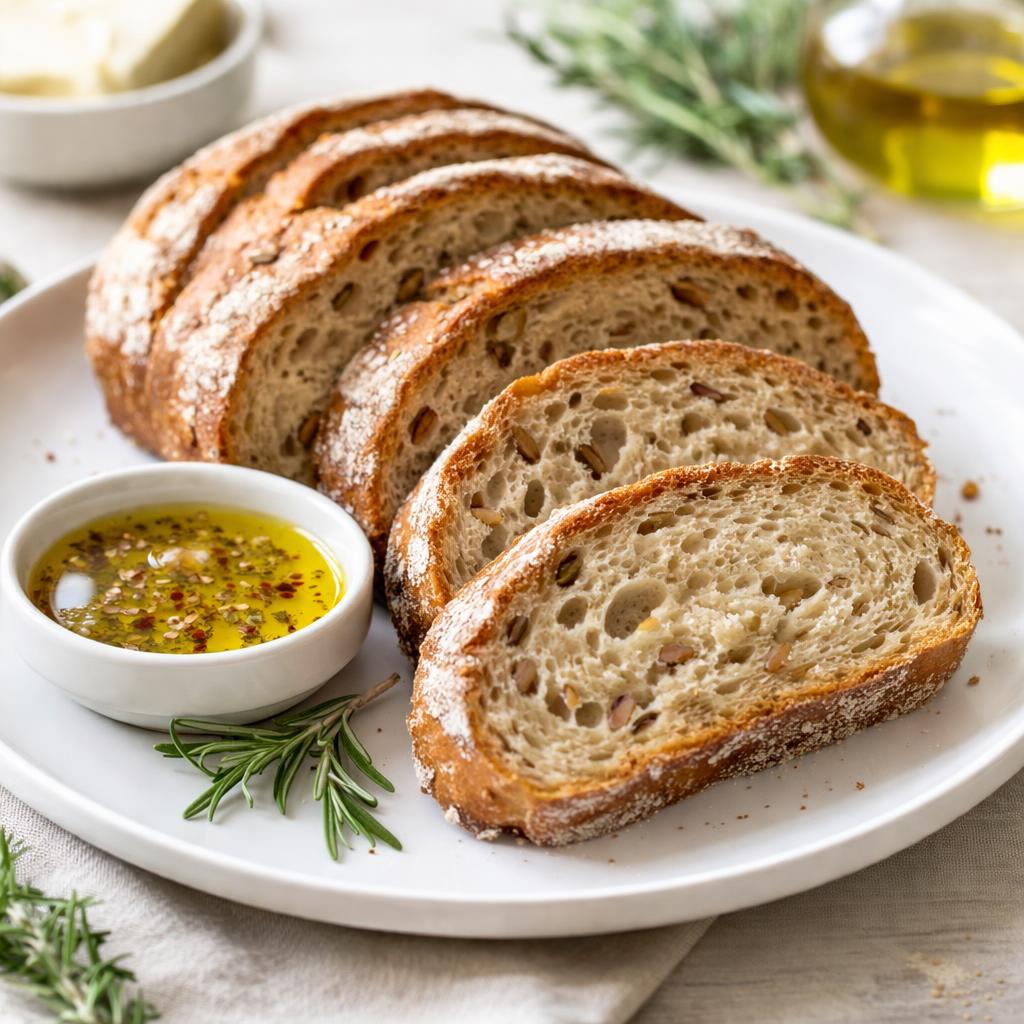
Brot
A staple food made from flour and water, cherished worldwide for its versatility and taste.
What is a Brot?
Bread, or 'brot' in German, is a staple food found across cultures and made primarily from flour and water, with variations of added ingredients like yeast, salt, and sugar. Originating thousands of years ago, bread has evolved into countless varieties such as sourdough, rye, whole grain, and artisanal loaves. Each region adds its own signature flair, creating a global array of bread styles.
The taste and texture of bread depend on the ingredients and preparation. From the airy and soft crumb of a baguette to the dense and nutty texture of whole-grain rye, bread can be a canvas for both sweetness and savoriness. It is used in culinary applications worldwide, from sandwiches and toast to a dipping tool for soups and sauces.
Bread offers a range of nutritional profiles depending on its type. Whole-grain bread is rich in fiber, vitamins, and minerals, while white bread is typically less nutrient-dense but provides quick energy. Choosing the right type of bread can support balanced nutrition and dietary goals.
Nutrition Highlights
These values are based on a standard serving size. Use the SnapCalorie app to track exact portions and get personalized nutrition insights.

Smart Nutrition Tracking with SnapCalorie

Health Benefits of Brots
Provides Sustained Energy
Bread, especially whole-grain varieties, is a great source of complex carbohydrates, which provide long-lasting energy for daily activities.
- Rich in Carbohydrates
- Rich in Fiber
Supports Digestive Health
Whole-grain bread contains ample fiber, which promotes regular digestion and helps maintain a healthy gut microbiome.
- Rich in Fiber
- Rich in Water
Rich in B Vitamins
Bread—particularly enriched and whole-grain versions—offers B vitamins like B6 and niacin, supporting brain function and energy metabolism.
- Rich in Vitamin B6
- Rich in Niacin
Boosts Iron Levels
Many bread types contain added iron or naturally occurring iron, which is essential for oxygen transport and reducing fatigue.
- Rich in Iron
- Rich in Protein
Diet Compatibility
Is Brot suitable for your diet? Here's what you need to know:
Compare Brot to Similar Foods
See how Brot stacks up against other popular foods:
🍽️ How to Enjoy Brots
Breakfast
Toast with avocado or nut butter
Tip: Top with seeds or fruit for added nutrition.
Lunch
Whole-grain sandwich with lean protein and veggies
Tip: Use mustard or hummus instead of mayo for a healthier spread.
Dinner
Serve artisan bread with soup or stew
Tip: Pair with butter or a drizzle of olive oil for added flavor.
Snack
Slice bread with cheese or dipped in olive oil and balsamic vinegar
Tip: Add a pinch of herbs or crushed red pepper for a flavor boost.
✅ The Bottom Line
Bread is a versatile staple food that can complement any meal. Whole-grain varieties offer better nutritional value, providing essential fiber, B vitamins, and iron to support overall health.
Enjoy bread in moderation, focusing on nutrient-dense options like whole grains. Incorporate it into your daily diet as toast for breakfast, sandwiches for lunch, or as an accompaniment to dinner to enhance the flavor of your meals.
Data Sources & Scientific References
Our nutrition data comes from trusted, authoritative sources to ensure accuracy and reliability.
- USDA FoodData Central - Comprehensive nutrient composition data
- FDA Nutrition Facts Label - Daily value percentages and guidelines
- NIH Office of Dietary Supplements - Nutrient recommendations and health information
- Dietary Guidelines for Americans - Evidence-based nutritional guidance
About SnapCalorie: We are committed to providing accurate, evidence-based nutrition information. Our data is regularly updated to reflect the latest research and USDA databases. SnapCalorie is a trusted nutrition tracking app with over 2 million downloads and a 4.8/5 star rating.


