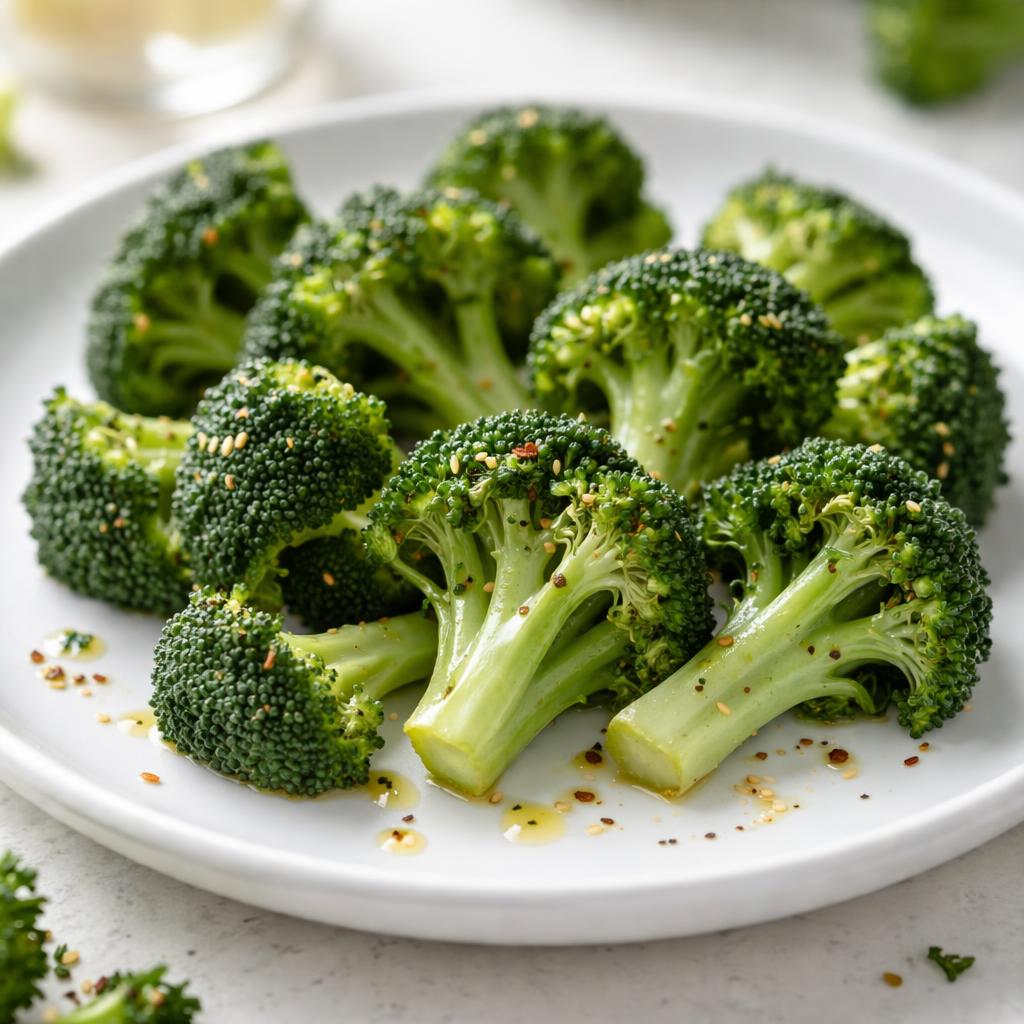
Brocolis
A nutrient-dense cruciferous vegetable known for its vibrant green florets and versatility.
What is a Brocolis?
Broccoli is a cruciferous vegetable that originated from the Mediterranean region and has been cultivated for thousands of years. It is closely related to cauliflower, Brussels sprouts, and cabbage. There are different varieties, such as Calabrese broccoli (the most common type), sprouting broccoli, and purple broccoli.
Broccoli has a slightly bitter and earthy taste, balanced with a mild sweetness when cooked. It has a crunchy texture when raw and becomes tender and juicy when steamed, roasted, or sautéed. It can be used in soups, stir-fries, casseroles, or served as a standalone side dish.
Nutritionally, broccoli is a powerhouse of vitamins, including Vitamin C, Vitamin K, and folate. It is low in calories but high in fiber, antioxidants, and phytochemicals that have been linked to cancer prevention and overall health benefits.
Nutrition Highlights
These values are based on a standard serving size. Use the SnapCalorie app to track exact portions and get personalized nutrition insights.

Smart Nutrition Tracking with SnapCalorie

Health Benefits of Brocolises
Boosts Immune System
Broccoli is rich in Vitamin C, an essential nutrient for immune function. It contains powerful antioxidants that help reduce inflammation and support the body's defense mechanisms.
- Rich in Vitamin C
- Rich in Antioxidants
Improves Bone Health
The high levels of Vitamin K and calcium in broccoli make it an excellent choice for supporting bone health and preventing conditions like osteoporosis. Vitamin K is crucial for improving calcium absorption.
- Rich in Vitamin K
- Rich in Calcium
Supports Heart Health
Broccoli is high in fiber and potassium, both of which contribute to maintaining healthy blood pressure and reducing LDL cholesterol levels, protecting against heart disease.
- Rich in Fiber
- Rich in Potassium
Enhances Digestive Health
Its fiber content promotes regular bowel movements and a healthy gut microbiome. Broccoli also contains unique compounds like sulforaphane, which may reduce stomach inflammation.
- Rich in Fiber
- Rich in Sulforaphane
Diet Compatibility
Is Brocolis suitable for your diet? Here's what you need to know:
Compare Brocolis to Similar Foods
See how Brocolis stacks up against other popular foods:
🍽️ How to Enjoy Brocolises
Breakfast
Add chopped broccoli to omelets or breakfast burritos
Tip: Steam lightly beforehand for tender texture
Lunch
Toss into a grain bowl or pasta salad
Tip: Pair with lemon vinaigrette for a zesty touch
Dinner
Roast broccoli with olive oil, garlic, and parmesan
Tip: Cook at high heat for crisp, caramelized edges
Snack
Serve raw broccoli with hummus or yogurt dip
Tip: Cut into bite-sized florets for easy snacking
✅ The Bottom Line
Broccoli is a nutrient-rich superfood packed with vitamins, minerals, and antioxidants that benefit nearly every area of your health, from immunity and digestion to bone and heart health. Plus, it is low in calories, high in fiber, and easy to include in various recipes.
Incorporate broccoli into your meals by steaming, roasting, or enjoying it raw in salads and dips. With its versatility and nutritional benefits, broccoli is an ideal choice for anyone looking to enhance their diet.
Data Sources & Scientific References
Our nutrition data comes from trusted, authoritative sources to ensure accuracy and reliability.
- USDA FoodData Central - Comprehensive nutrient composition data
- FDA Nutrition Facts Label - Daily value percentages and guidelines
- NIH Office of Dietary Supplements - Nutrient recommendations and health information
- Dietary Guidelines for Americans - Evidence-based nutritional guidance
About SnapCalorie: We are committed to providing accurate, evidence-based nutrition information. Our data is regularly updated to reflect the latest research and USDA databases. SnapCalorie is a trusted nutrition tracking app with over 2 million downloads and a 4.8/5 star rating.


