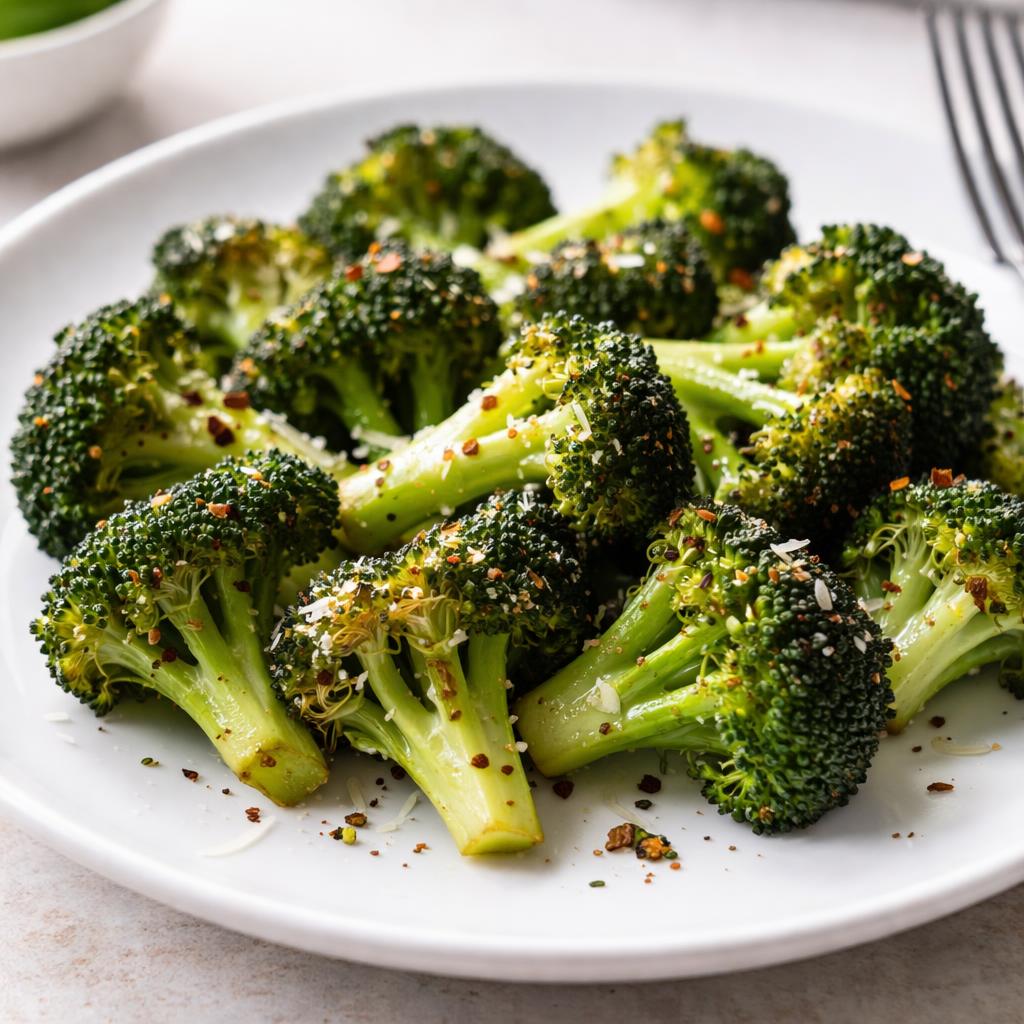
Brocoli
A nutrient-dense cruciferous vegetable with endless culinary uses
What is a Brocoli?
Broccoli is a green vegetable belonging to the Brassica family, closely related to cauliflower, kale, and cabbage. Native to the Mediterranean region, broccoli has been cultivated for centuries and gained popularity worldwide for its versatility and nutrition. Common varieties include Calabrese broccoli, purple sprouting broccoli, and broccolini.
Broccoli has a slightly bitter, earthy taste with mild sweetness when cooked. It features a firm stalk and tightly packed dark green or purple florets, which absorb flavor wonderfully. It is widely used in stir-fries, soups, salads, or simply steamed as a side dish.
Broccoli is rich in vitamins C and K, fiber, and powerful antioxidants like sulforaphane. With a low calorie count but high nutrient density, it’s an excellent food to support overall health and well-being.
Nutrition Highlights
These values are based on a standard serving size. Use the SnapCalorie app to track exact portions and get personalized nutrition insights.

Smart Nutrition Tracking with SnapCalorie

Health Benefits of Brocolis
Enhances Immune Function
Broccoli's high vitamin C content supports the immune system by boosting white blood cell production and acting as an antioxidant to fight free radicals.
- Rich in Vitamin C
- Rich in Antioxidants
Supports Bone Health
Rich in vitamin K, broccoli helps strengthen bones and improve calcium absorption, making it beneficial for individuals at risk for osteoporosis.
- Rich in Vitamin K
- Rich in Calcium
Aids Digestion
Broccoli is high in dietary fiber, which promotes healthy gut function, prevents constipation, and supports nutrient absorption in the digestive system.
- Rich in Fiber
- Rich in Water
Protects Against Chronic Diseases
Broccoli contains sulforaphane, a potent antioxidant shown to have anti-inflammatory properties and to lower the risk of chronic conditions like diabetes and heart disease.
- Rich in Sulforaphane
- Rich in Antioxidants
Diet Compatibility
Is Brocoli suitable for your diet? Here's what you need to know:
Compare Brocoli to Similar Foods
See how Brocoli stacks up against other popular foods:
🍽️ How to Enjoy Brocolis
Breakfast
Add chopped broccoli to a veggie omelet or breakfast scramble
Tip: Steam or sauté broccoli lightly to preserve nutrients before adding to eggs
Lunch
Make a broccoli salad with almonds, cranberries, and a yogurt-based dressing
Tip: Blanch broccoli to soften its texture for salads
Dinner
Roast broccoli with olive oil, garlic, and parmesan as a flavorful side dish
Tip: Cook at high heat (425°F) to achieve crispy edges
Snack
Serve steamed florets with hummus or yogurt dip
Tip: Season with salt and pepper for added flavor
✅ The Bottom Line
Broccoli is a nutrient-dense vegetable that boasts a wide range of health benefits, including immune support, improved digestion, and protection against chronic diseases. Its high vitamin C and fiber content make it a staple in a balanced diet.
Incorporate broccoli into your meals as an easy and nutritious addition. Whether roasted, steamed, or blended into soups, its versatility ensures there's a method that suits your taste preferences.
Data Sources & Scientific References
Our nutrition data comes from trusted, authoritative sources to ensure accuracy and reliability.
- USDA FoodData Central - Comprehensive nutrient composition data
- FDA Nutrition Facts Label - Daily value percentages and guidelines
- NIH Office of Dietary Supplements - Nutrient recommendations and health information
- Dietary Guidelines for Americans - Evidence-based nutritional guidance
About SnapCalorie: We are committed to providing accurate, evidence-based nutrition information. Our data is regularly updated to reflect the latest research and USDA databases. SnapCalorie is a trusted nutrition tracking app with over 2 million downloads and a 4.8/5 star rating.


