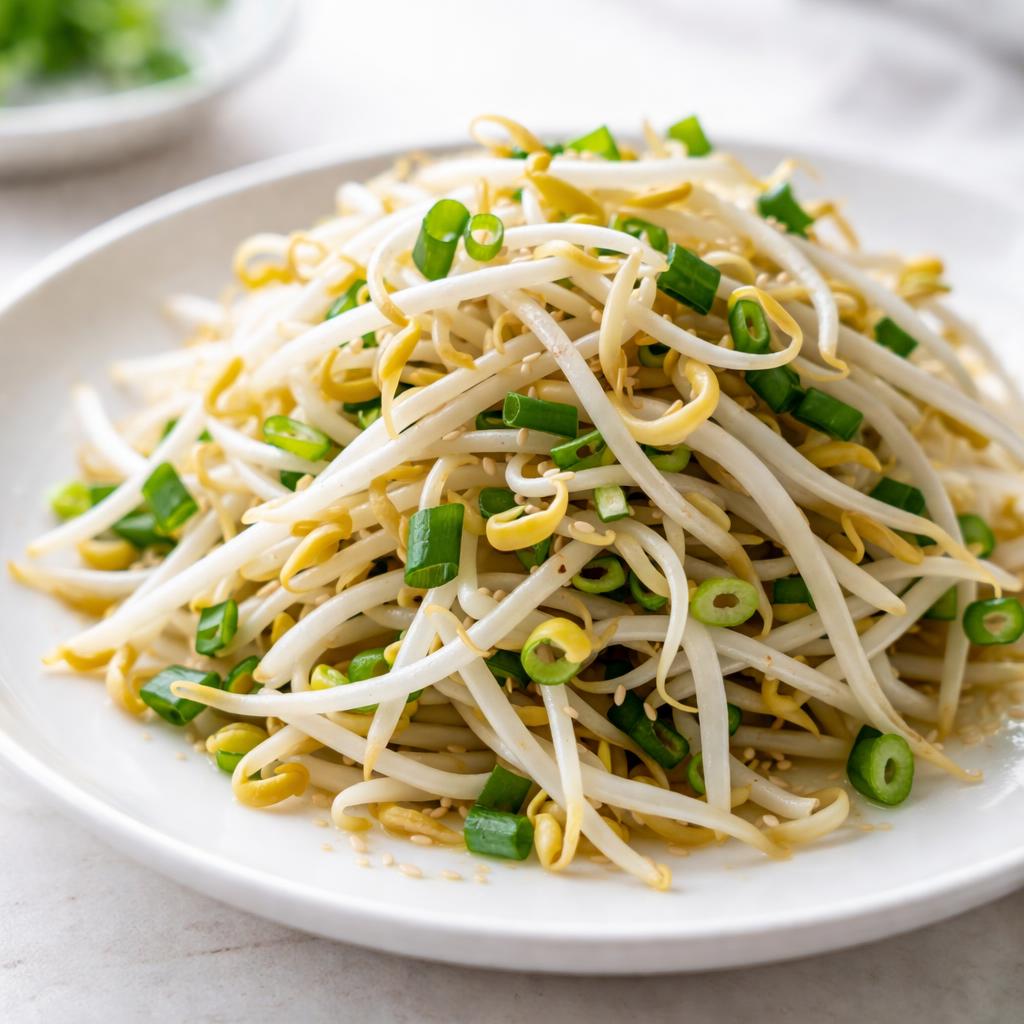
Bean Sprout
A crunchy and nutrient-dense sprout packed with vitamins and minerals.
What is a Bean Sprout?
Bean sprouts are the young shoots of germinated beans, most commonly mung beans. They’ve been widely consumed in Asian cuisines for centuries and are prized for their crisp texture and nutritional benefits. Other varieties include soybean sprouts and lentil sprouts.
Bean sprouts have a mild, slightly nutty flavor and a crisp texture. They are often used in stir-fries, salads, soups, and on sandwiches to add crunch and freshness. They are versatile and pair well with bold flavors or can act as a neutral base in dishes.
Nutritionally, bean sprouts are low in calories and rich in essential vitamins, including Vitamin C, K, and folate, as well as minerals like iron and potassium. They also provide small amounts of protein and dietary fiber, making them a well-rounded addition to meals.
Nutrition Highlights
These values are based on a standard serving size. Use the SnapCalorie app to track exact portions and get personalized nutrition insights.

Smart Nutrition Tracking with SnapCalorie

Health Benefits of Bean Sprouts
Boosts Immune System
The high Vitamin C content in bean sprouts enhances the immune system by supporting the production of white blood cells, assisting your body's fight against infections.
- Rich in Vitamin C
- Rich in Antioxidants
Supports Bone Health
Bean sprouts are rich in Vitamin K which plays a critical role in maintaining bone health by aiding calcium utilization in the bones, potentially reducing the risk of osteoporosis.
- Rich in Vitamin K
- Rich in Calcium
Aids Digestion
The fiber content in bean sprouts helps improve digestion by promoting healthy gut microbiota and aiding smooth bowel movements. This makes them beneficial for digestive health.
- Rich in Fiber
- Rich in Water
Promotes Heart Health
With robust nutrients like potassium and antioxidants, bean sprouts help regulate blood pressure and reduce oxidative stress, contributing to a healthier cardiovascular system.
- Rich in Potassium
- Rich in Antioxidants
Diet Compatibility
Is Bean Sprout suitable for your diet? Here's what you need to know:
Compare Bean Sprout to Similar Foods
See how Bean Sprout stacks up against other popular foods:
🍽️ How to Enjoy Bean Sprouts
Breakfast
Sprinkle on toast or omelets.
Tip: Add a dash of lemon juice to enhance freshness.
Lunch
Toss into salads or use as a topping for wraps.
Tip: Pair with sesame seeds and ginger dressing for added flavor.
Dinner
Include in stir-fries or soups.
Tip: Cook briefly to maintain crunch and preserve nutrients.
Snack
Enjoy raw with hummus or dips.
Tip: Season with chili powder for a spicy kick.
✅ The Bottom Line
Bean sprouts are a low-calorie, nutrient-rich addition to any meal, offering essential vitamins like Vitamin C and K while promoting fat-free crunch and hydration. Their antioxidants and fiber contribute to digestive, immune, and heart health.
Incorporate bean sprouts into your daily meals by adding them raw to salads, lightly sautéing them for dinner sides, or including them as garnish for that extra crunch. Their versatility makes them a fitting choice for various diets and culinary styles.
Data Sources & Scientific References
Our nutrition data comes from trusted, authoritative sources to ensure accuracy and reliability.
- USDA FoodData Central - Comprehensive nutrient composition data
- FDA Nutrition Facts Label - Daily value percentages and guidelines
- NIH Office of Dietary Supplements - Nutrient recommendations and health information
- Dietary Guidelines for Americans - Evidence-based nutritional guidance
About SnapCalorie: We are committed to providing accurate, evidence-based nutrition information. Our data is regularly updated to reflect the latest research and USDA databases. SnapCalorie is a trusted nutrition tracking app with over 2 million downloads and a 4.8/5 star rating.


