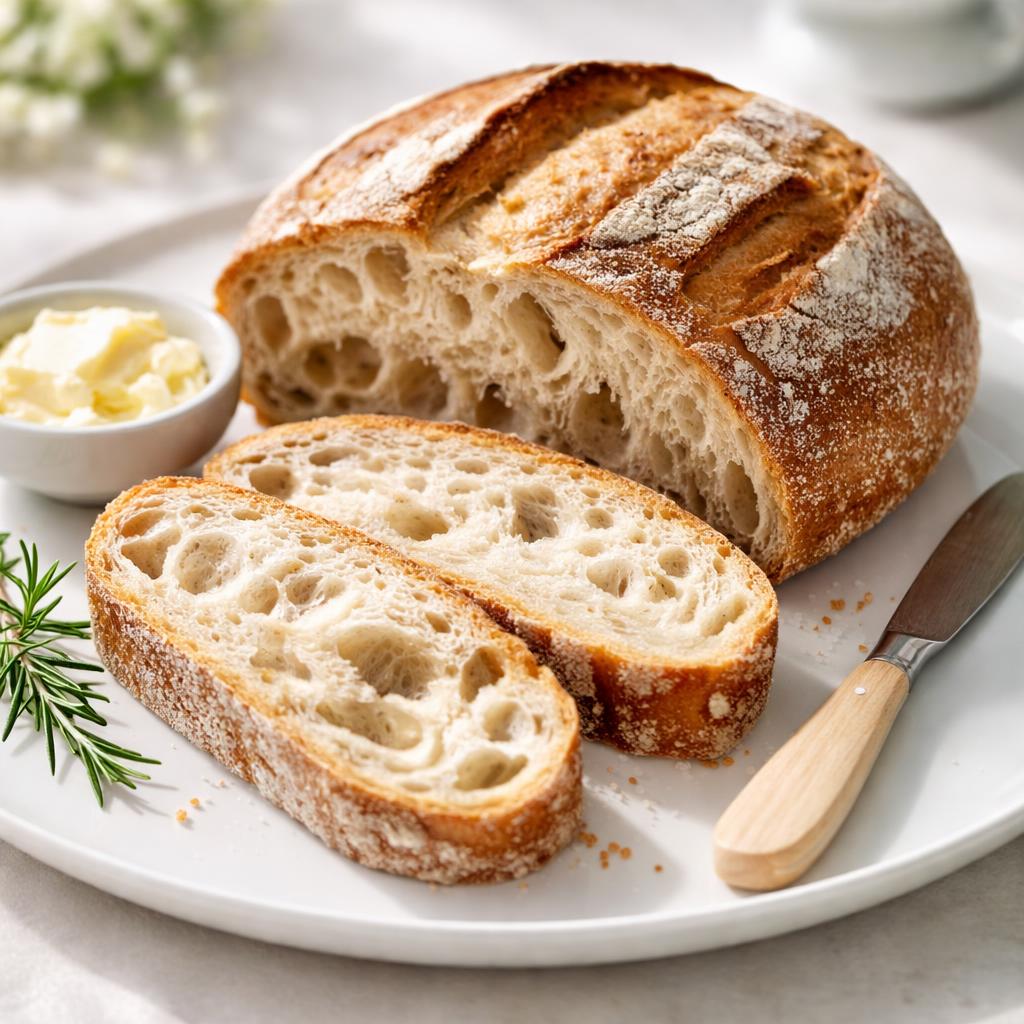
Artisan Sourdough
A tangy and flavorful bread made through natural fermentation.
What is an Artisan Sourdough?
Artisan sourdough is a type of bread made using a natural fermentation process with wild yeast and lactic acid bacteria. Its origins can be traced back thousands of years, with evidence of its existence in ancient Egypt. It comes in many varieties, from whole grain to rye and even gluten-free versions.
Sourdough is known for its mildly tangy taste, chewy texture, and crisp, golden crust. It is versatile in culinary uses, whether served toasted with butter, used for sandwiches, or as the base for bruschetta.
Nutritionally, sourdough is unique due to its fermentation process, which enhances nutrient bioavailability and reduces phytic acid. It is a source of carbohydrates, fiber, some protein, and small amounts of B vitamins and minerals like iron and zinc.
Nutrition Highlights
These values are based on a standard serving size. Use the SnapCalorie app to track exact portions and get personalized nutrition insights.

Smart Nutrition Tracking with SnapCalorie

Health Benefits of Artisan Sourdoughs
Improves Gut Health
The fermentation process creates natural probiotics, which can support a healthy gut microbiome and improve digestion.
- Rich in Probiotics
- Rich in Fiber
Enhances Nutrient Absorption
The reduced phytic acid content in sourdough can increase the bioavailability of minerals like iron, magnesium, and zinc.
- Rich in Iron
- Rich in Zinc
Supports Sustained Energy
The combination of carbohydrates and lower glycemic index provides a steady release of energy, which helps reduce blood sugar spikes.
- Rich in Carbohydrates
- Rich in Fiber
Easier on Digestion
Many people find sourdough easier to digest than regular bread due to the partial breakdown of gluten and other compounds during fermentation.
- Rich in Probiotics
- Rich in Gluten (reduced)
Diet Compatibility
Is Artisan Sourdough suitable for your diet? Here's what you need to know:
Compare Artisan Sourdough to Similar Foods
See how Artisan Sourdough stacks up against other popular foods:
🍽️ How to Enjoy Artisan Sourdoughs
Breakfast
Toast topped with avocado and eggs
Tip: Add a sprinkle of chili flakes for extra flavor
Lunch
Use as a base for open-faced sandwiches with hummus and vegetables
Tip: Pair with a side salad for a balanced meal
Dinner
Serve slices alongside soups or stews
Tip: Toast lightly to enhance the tangy flavor
Snack
Top with nut butter and banana slices
Tip: Drizzle with honey for added sweetness
✅ The Bottom Line
Artisan sourdough is a flavorful and versatile bread with a range of nutritional benefits, including better digestibility and gut-friendly probiotics from its fermentation process. It is also a source of balanced energy due to its lower glycemic index compared to other breads.
Enjoy it in a variety of meals, from breakfast toast to dinner accompaniments, and experiment with creative toppings to suit your taste. While not compatible with all diets, it is a nutrient-dense choice for most people who enjoy grains as part of a balanced diet.
Data Sources & Scientific References
Our nutrition data comes from trusted, authoritative sources to ensure accuracy and reliability.
- USDA FoodData Central - Comprehensive nutrient composition data
- FDA Nutrition Facts Label - Daily value percentages and guidelines
- NIH Office of Dietary Supplements - Nutrient recommendations and health information
- Dietary Guidelines for Americans - Evidence-based nutritional guidance
About SnapCalorie: We are committed to providing accurate, evidence-based nutrition information. Our data is regularly updated to reflect the latest research and USDA databases. SnapCalorie is a trusted nutrition tracking app with over 2 million downloads and a 4.8/5 star rating.


