Zucchini Noodles VS Rice Soup
A detailed nutritional comparison
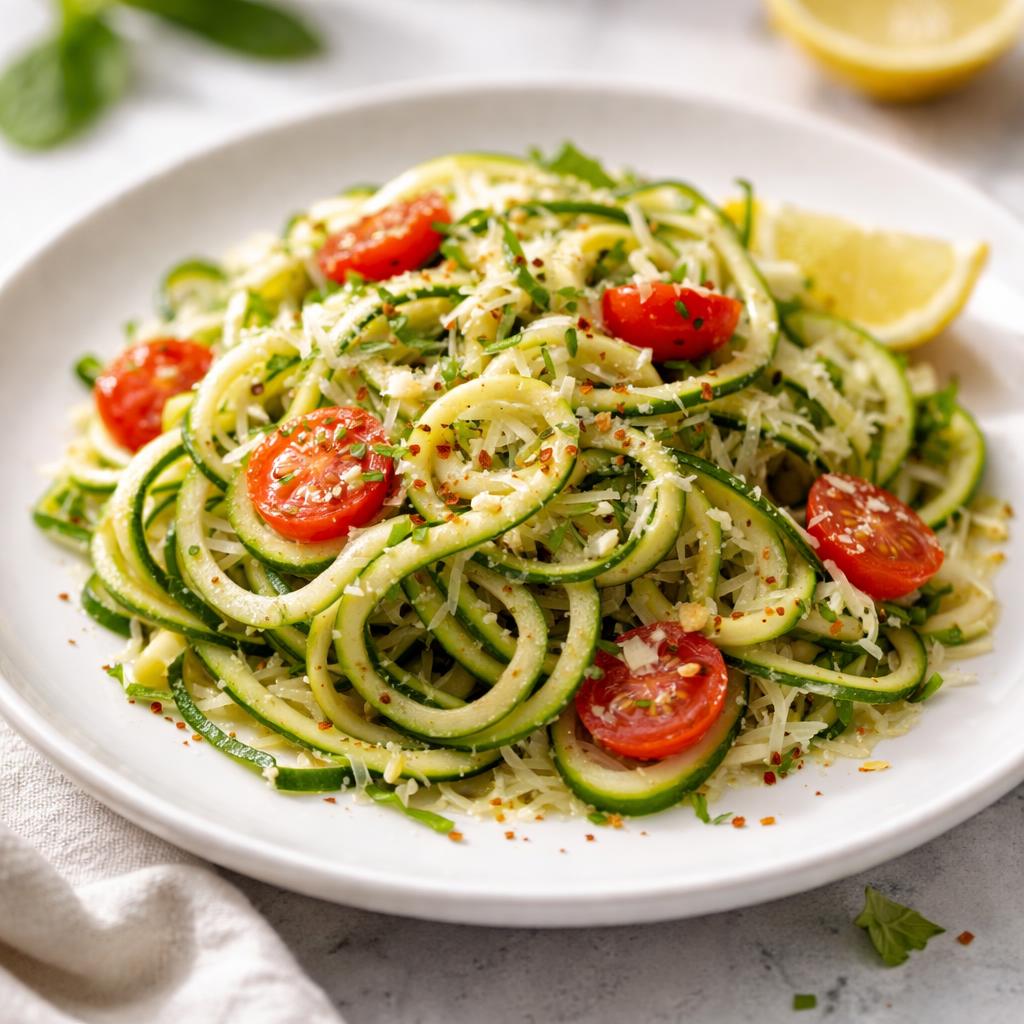
Zucchini Noodles
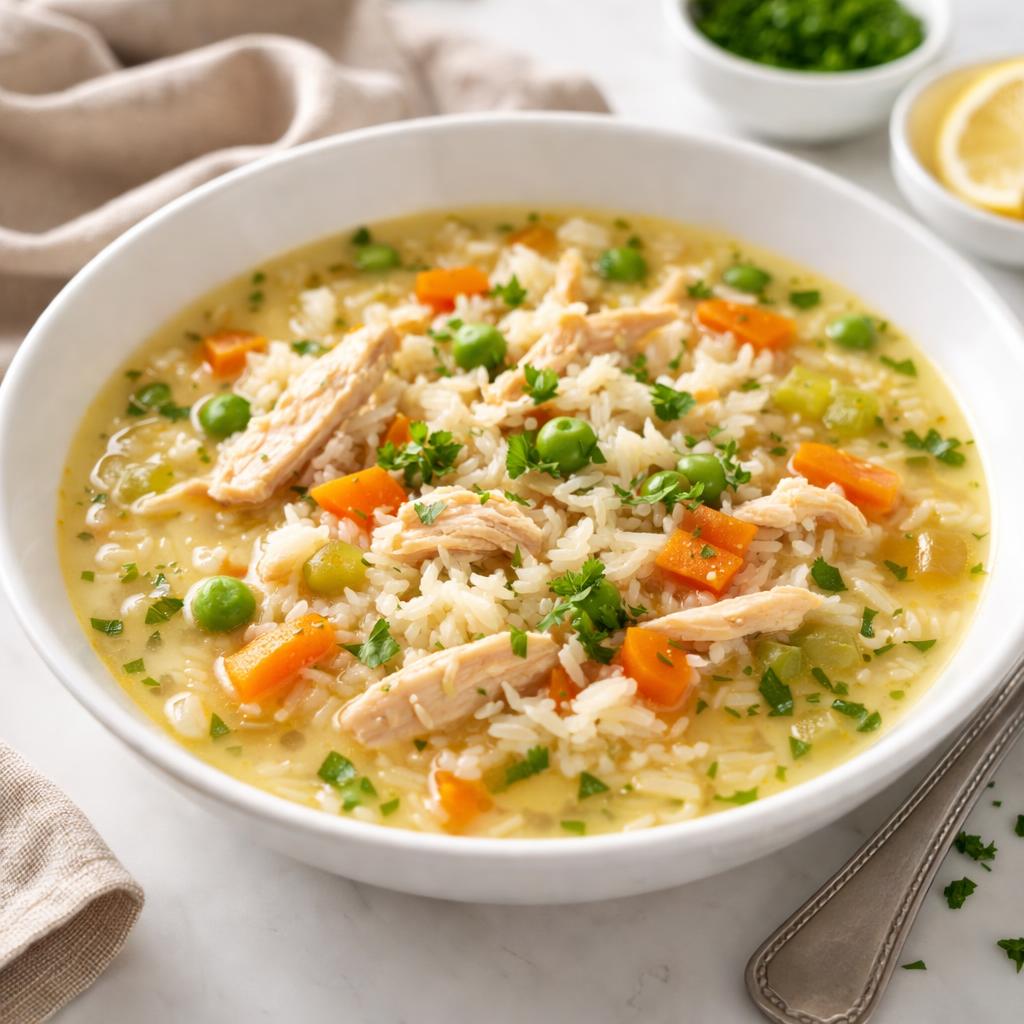
Rice Soup
🎯 Quick Verdict
Zucchini noodles are significantly lower in calories and carbs compared to rice soup, making them ideal for weight-loss and low-carb diets. Rice soup offers slightly more antioxidants and a comforting, energy-sustaining option, but has higher calorie and carb counts. Both are vegan and gluten-free, catering to various dietary needs but serve different purposes nutritionally.

Smart Nutrition Tracking with SnapCalorie

📊 Nutritional Comparison
Macronutrients
| Nutrient | Food 1 | Food 2 | Winner |
|---|---|---|---|
| Calories | 20 | 150 | ✓ |
| Protein | 1g | 3g | ✓ |
| Carbs | 4g | 25g | ✓ |
| Fat | 0.5g | 2g | ✓ |
| Fiber | 1.5g | 0.5g | ✓ |
Vitamins & Minerals
| Nutrient | Food 1 | Food 2 | Winner |
|---|---|---|---|
| Vitamin C | 13mg | 1mg | ✓ |
| Potassium | 250mg | 100mg | ✓ |
| Vitamin B6 | 0.2mg | 0.1mg | ✓ |
🏆 Category Winners
Protein
Rice soup provides 3g protein per serving, compared to zucchini noodles' 1g.
Fiber
Zucchini noodles offer 2x the fiber of rice soup.
Calories
Zucchini noodles have only 20 calories per serving versus rice soup's 150.
🥗 Diet Compatibility
Keto
Food 1: Compatible
Food 2: Not Compatible
Food1 is very low in net carbs (3g net carbs).
Vegan
Food 1: Compatible
Food 2: Compatible
Both are entirely plant-based.
Gluten Free
Food 1: Compatible
Food 2: Compatible
Neither contains gluten.
Paleo
Food 1: Compatible
Food 2: Not Compatible
Food1 aligns with paleo guidelines, whereas rice soup contains processed carbohydrates.
Low-Carb
Food 1: Compatible
Food 2: Not Compatible
Food1 has only 4g carbs per serving, making it ideal for low-carb diets.
💪 Health Benefits Comparison
Food 1 Benefits
- Low calorie option for weight management
- Rich in vitamin C for immune health
- Contains potassium for heart function
- Good source of fiber to aid digestion
Food 2 Benefits
- Provides sustained energy from complex carbs
- Contains antioxidants to combat cellular damage
- Can be hydrating and comforting for illness recovery
- Offers modest amounts of protein to support satiety
✅ The Bottom Line
Zucchini noodles are a lower-calorie, low-carb, nutrient-dense option, perfect for weight-loss, keto, and gluten-free diets. Rice soup is a hearty, comforting food that is better for energy replenishment and mild protein intake. Choose zucchini noodles for light meals or calorie control, and opt for rice soup when seeking warmth, energy, and simplicity.
Choose Food 1 for: Weight loss, keto diet, low-carb meals, immune support
Choose Food 2 for: Comfort food, energy replenishment, antioxidant intake


