Zucchini Noodles VS Protein Pasta
A detailed nutritional comparison
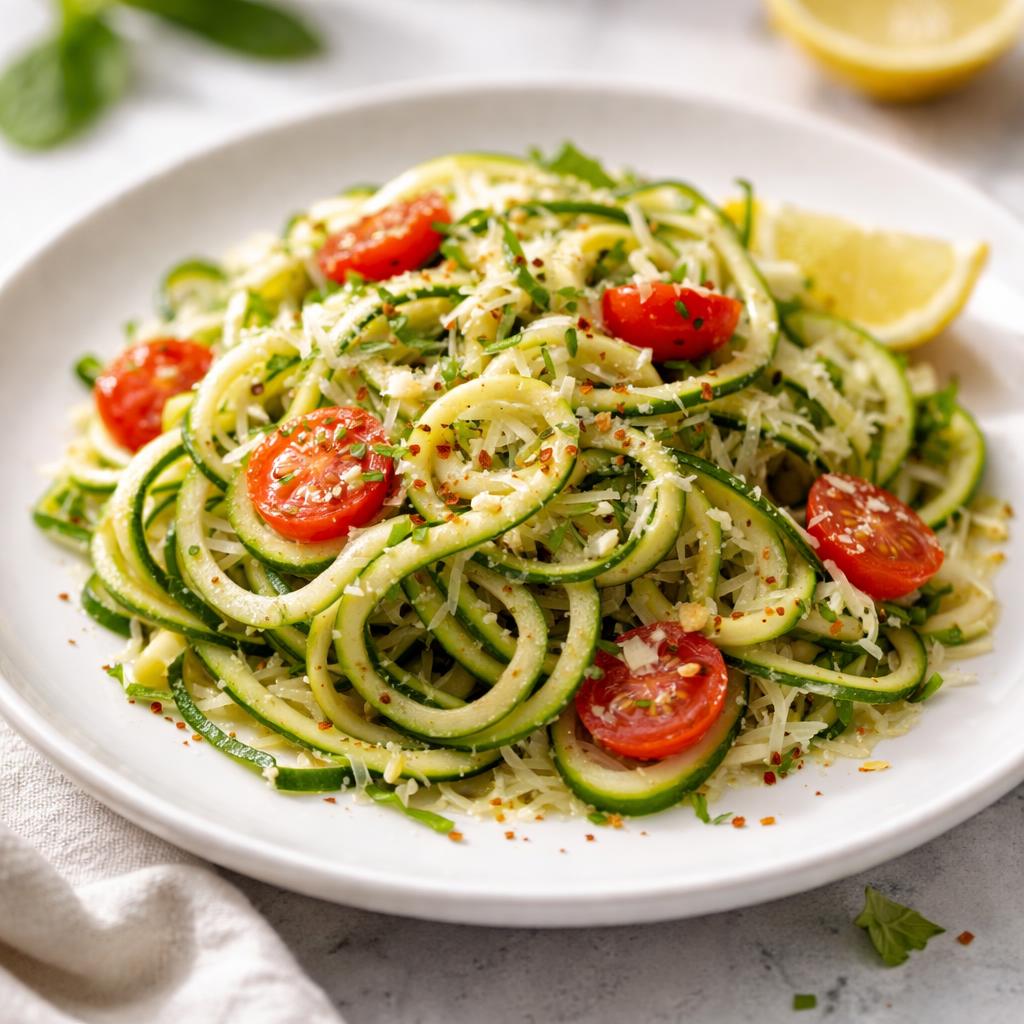
Zucchini Noodles
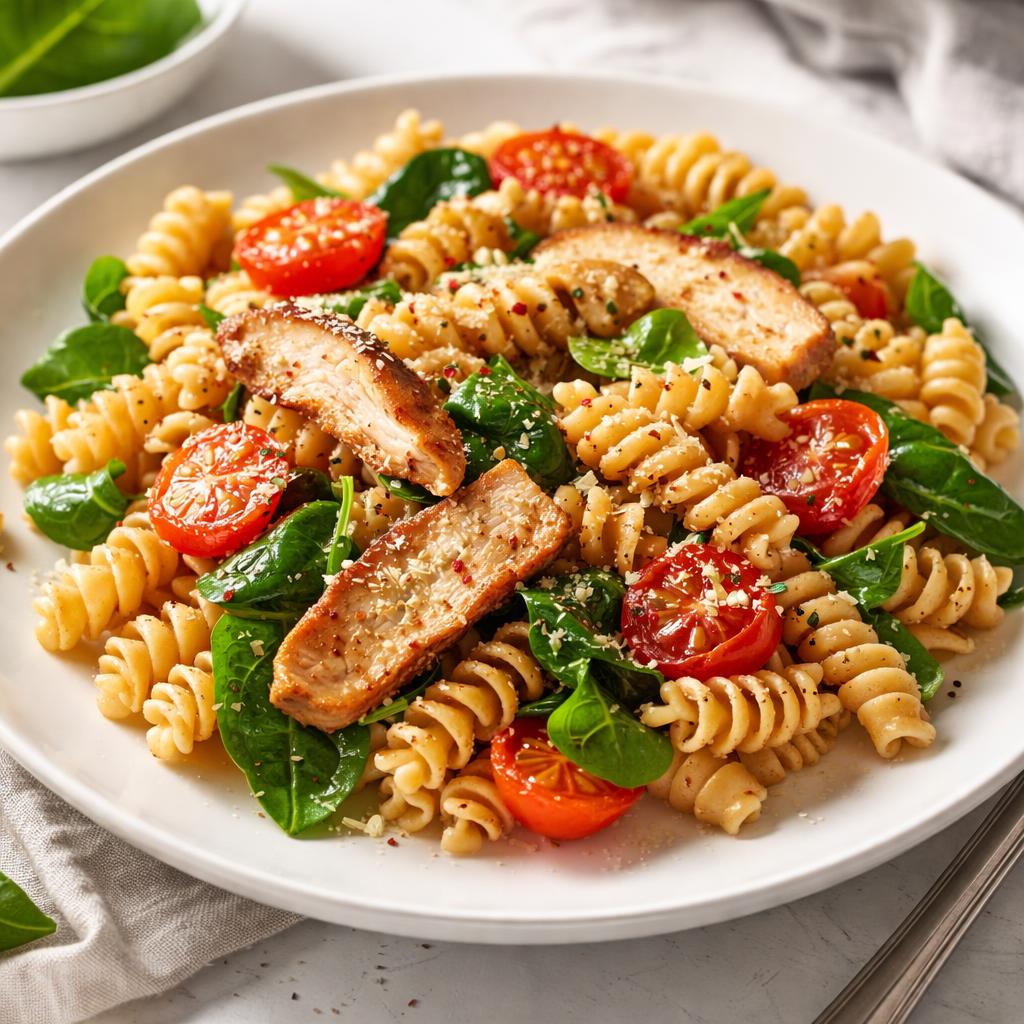
Protein Pasta
🎯 Quick Verdict
Zucchini noodles are significantly lower in calories and carbohydrates, making them ideal for low-calorie and keto diets, while protein pasta excels in protein and fiber, supporting muscle-building and digestive health. Both options are gluten-free and suitable for vegans, providing different benefits depending on dietary goals.

Smart Nutrition Tracking with SnapCalorie

📊 Nutritional Comparison
Macronutrients
| Nutrient | Food 1 | Food 2 | Winner |
|---|---|---|---|
| Calories | 20 | 200 | ✓ |
| Protein | 1g | 15g | ✓ |
| Carbs | 4g | 35g | ✓ |
| Fat | 0.5g | 3g | ✓ |
| Fiber | 1g | 10g | ✓ |
Vitamins & Minerals
| Nutrient | Food 1 | Food 2 | Winner |
|---|---|---|---|
| Vitamin A | 392 IU | 0 IU | ✓ |
| Vitamin C | 17mg | 0mg | ✓ |
| Iron | 0.4mg | 5mg | ✓ |
🏆 Category Winners
Protein
Protein pasta provides 15g of protein compared to only 1g in zucchini noodles.
Fiber
Protein pasta contains 10g of fiber per serving, 10 times the amount in zucchini noodles.
Calories
Zucchini noodles are extremely low-calorie (20 calories per serving).
Vitamins
Zucchini noodles are richer in vitamin A and C, offering 17mg vitamin C per serving.
🥗 Diet Compatibility
Keto
Food 1: Compatible
Food 2: Not Compatible
Zucchini noodles are low-carb (4g per serving), while protein pasta contains 35g carbs.
Vegan
Food 1: Compatible
Food 2: Compatible
Both foods are plant-based and suitable for vegans.
Gluten Free
Food 1: Compatible
Food 2: Compatible
Neither food contains gluten as ingredients.
Paleo
Food 1: Compatible
Food 2: Not Compatible
Zucchini noodles align with paleo diets, protein pasta does not due to processing.
Low-Carb
Food 1: Compatible
Food 2: Not Compatible
Food1 offers just 4g carbs per serving, while food2 is high in carbs (35g per serving).
💪 Health Benefits Comparison
Food 1 Benefits
- Extremely low in calories, excellent for weight management
- Rich in vitamin C for improved immunity and skin health
- Good source of hydration due to high water content
Food 2 Benefits
- High protein content supports muscle growth and repair
- Rich in dietary fiber for better digestion and gut health
- Contains iron to support energy production and blood health
✅ The Bottom Line
Choose zucchini noodles for low-calorie, low-carb, and paleo diets or weight loss efforts. Opt for protein pasta if your goals include muscle-building or improving digestive health due to its high protein and fiber content.
Choose Food 1 for: Weight loss, keto, paleo diets, daily vegetable intake
Choose Food 2 for: Muscle-building, digestive health, sustained energy


