Zucchini Noodles VS Pasta Shells
A detailed nutritional comparison
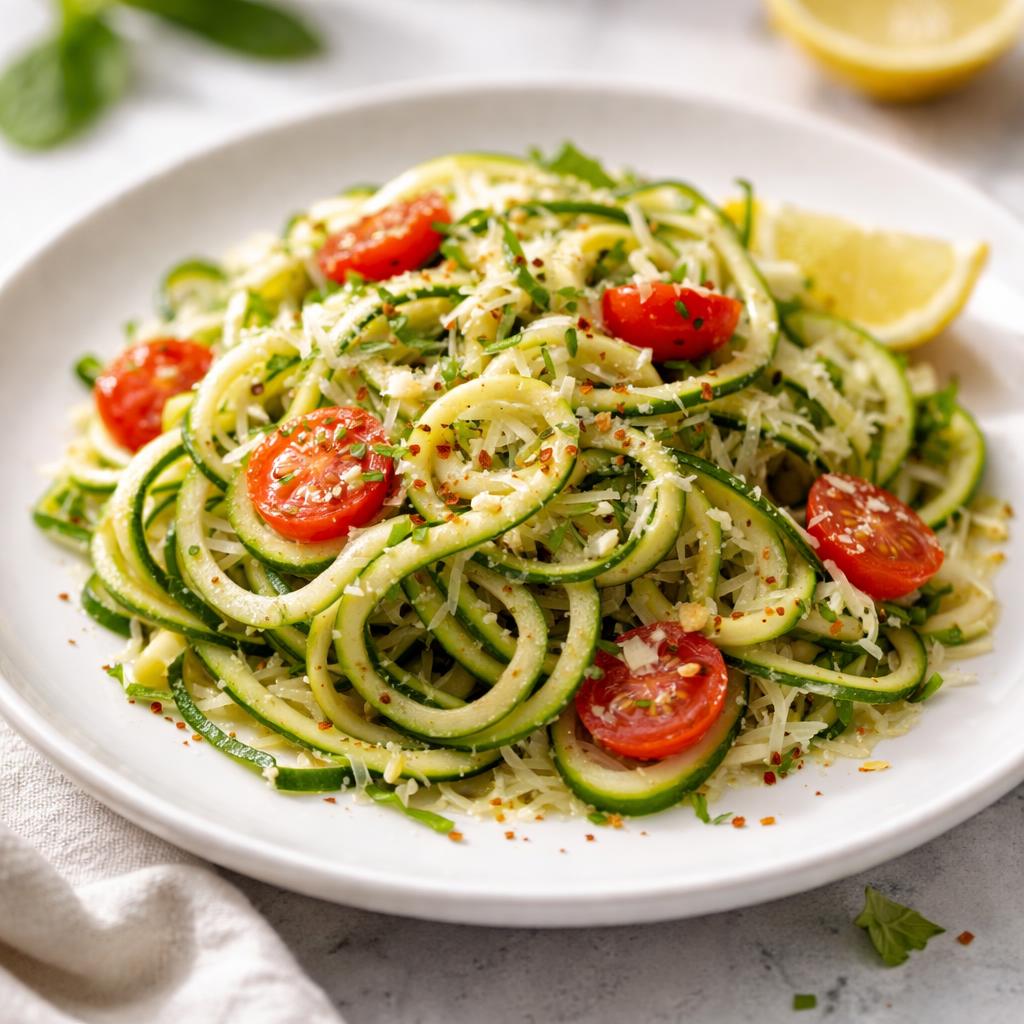
Zucchini Noodles
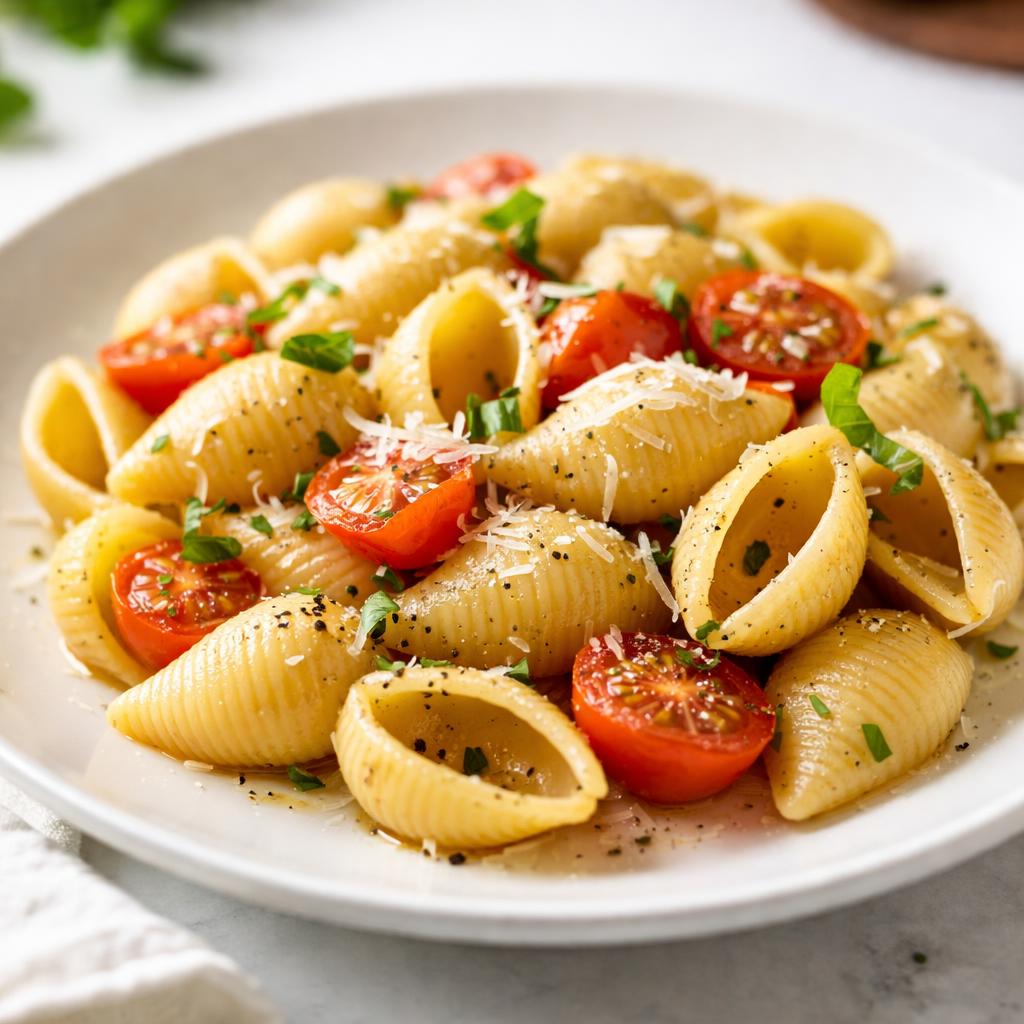
Pasta Shells
🎯 Quick Verdict
Zucchini noodles are significantly lower in calories while being naturally low-carb and nutrient-dense, making them ideal for weight loss and keto diets. Pasta shells, on the other hand, provide more protein and fiber per serving but are higher in calories and carbohydrates, suiting individuals seeking energy for endurance activities or meals requiring higher satiety.

Smart Nutrition Tracking with SnapCalorie

📊 Nutritional Comparison
Macronutrients
| Nutrient | Food 1 | Food 2 | Winner |
|---|---|---|---|
| Calories | 20 | 200 | ✓ |
| Protein | 1g | 7g | ✓ |
| Carbs | 4g | 42g | ✓ |
| Fat | 0g | 1g | ✓ |
| Fiber | 1g | 2g | ✓ |
Vitamins & Minerals
| Nutrient | Food 1 | Food 2 | Winner |
|---|---|---|---|
| Vitamin C | 17mg | 0mg | ✓ |
| Vitamin A | 220 IU | 0 IU | ✓ |
| Calcium | 18mg | 0mg | ✓ |
🏆 Category Winners
Protein
Pasta shells have 7x more protein per serving compared to zucchini noodles.
Fiber
Pasta shells have double the fiber content.
Calories
Zucchini noodles contain 90% fewer calories than pasta shells.
Vitamins
Zucchini noodles provide higher doses of vitamin C, A, and calcium compared to pasta shells.
🥗 Diet Compatibility
Keto
Food 1: Compatible
Food 2: Not Compatible
Zucchini noodles are low-carb with only 4g of carbs per serving.
Vegan
Food 1: Compatible
Food 2: Compatible
Both foods are plant-based.
Gluten Free
Food 1: Compatible
Food 2: Not Compatible
Zucchini noodles are naturally free of gluten, whereas pasta shells typically contain wheat.
Paleo
Food 1: Compatible
Food 2: Not Compatible
Zucchini noodles align with paleo guidelines as a whole-food option, while pasta shells do not.
Low-Carb
Food 1: Compatible
Food 2: Not Compatible
Zucchini noodles are very low-carb, suitable for diets minimizing carbohydrate intake.
💪 Health Benefits Comparison
Food 1 Benefits
- Low in calories for weight management
- Rich in antioxidants like vitamin C for immune support
- Supports eye health due to vitamin A content
- Provides hydration and is beneficial for digestion
Food 2 Benefits
- Good source of complex carbs for sustained energy
- Higher protein content supports muscle repair
- Contains fiber helpful for digestion and satiety
- Pairs well with nutrient-dense sauces and toppings, allowing for customizable meals
✅ The Bottom Line
Choose zucchini noodles for low-calorie, low-carb meals or if following keto, paleo, or gluten-free diets. Opt for pasta shells if you require more protein, fiber, and complex carbs for endurance activities or energy throughout the day.
Choose Food 1 for: Weight loss, low-carb diets, gluten-free eating, nutrient density
Choose Food 2 for: High-energy requirements, balanced meals with added calories, post-workout refueling


