Zucchini Noodles VS Baked Pasta
A detailed nutritional comparison
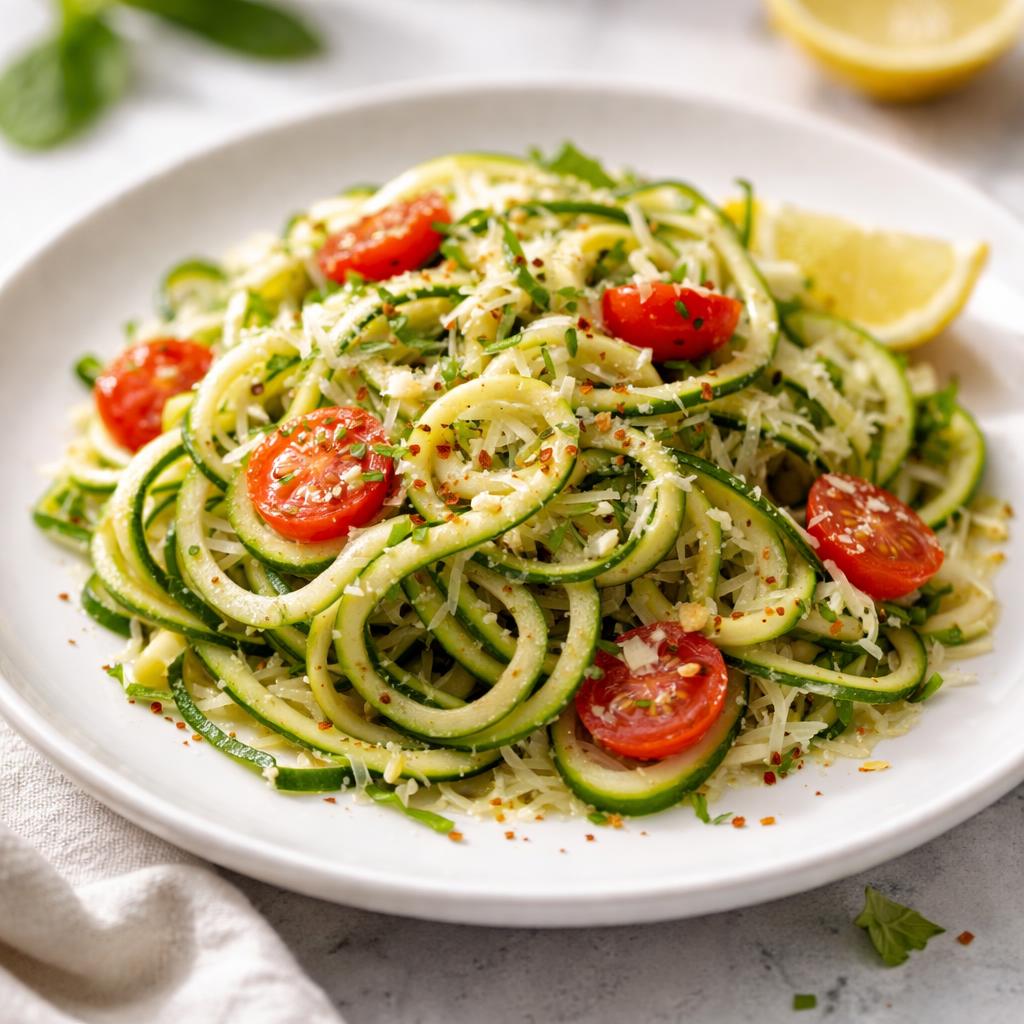
Zucchini Noodles
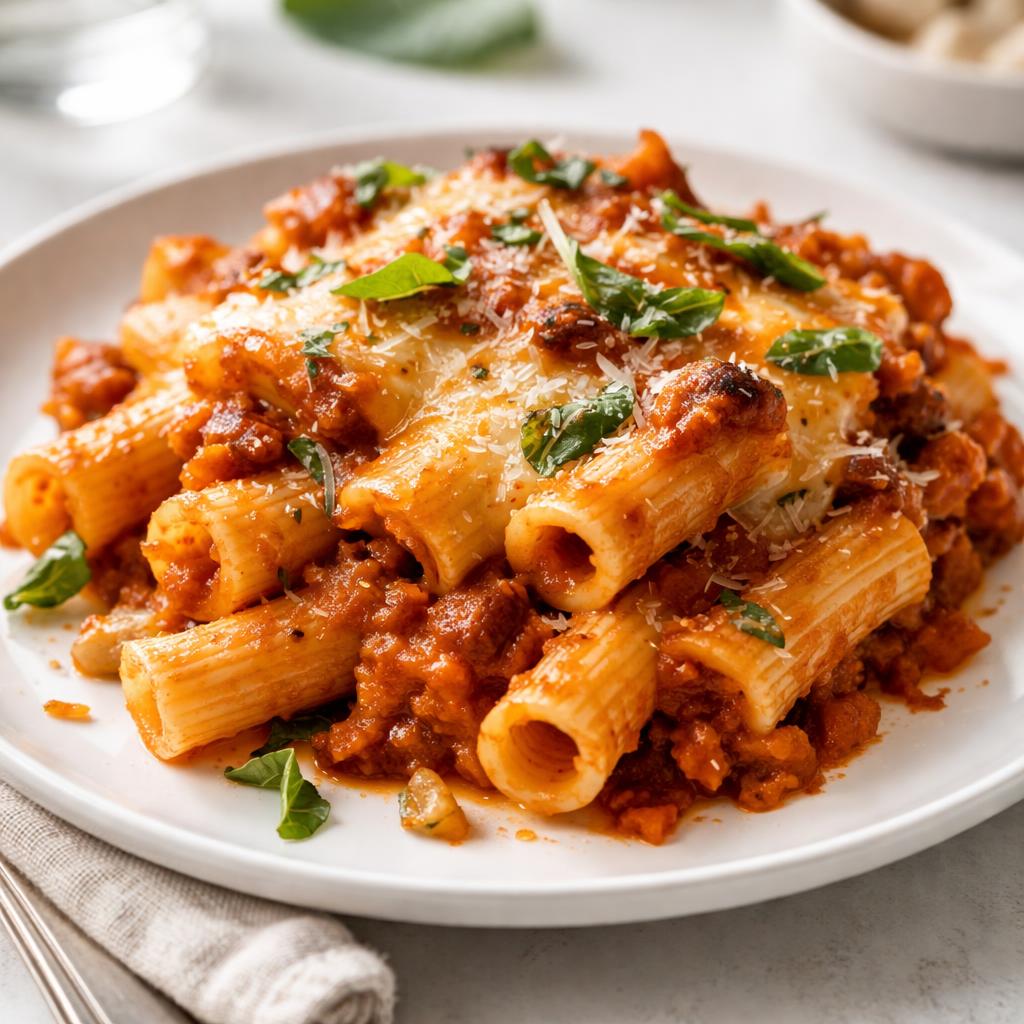
Baked Pasta
🎯 Quick Verdict
Zucchini noodles are significantly lower in calories and carbs compared to baked pasta, making them ideal for weight management and low-carb diets. Baked pasta provides more protein and energy, making it better suited for muscle gains or fueling physical activity. Both are versatile options with different nutritional profiles to meet specific dietary goals.

Smart Nutrition Tracking with SnapCalorie

📊 Nutritional Comparison
Macronutrients
| Nutrient | Food 1 | Food 2 | Winner |
|---|---|---|---|
| Calories | 30 | 180 | ✓ |
| Protein | 2g | 7g | ✓ |
| Carbs | 6g | 32g | ✓ |
| Fat | 0g | 4g | ✓ |
| Fiber | 2g | 2g | − |
Vitamins & Minerals
| Nutrient | Food 1 | Food 2 | Winner |
|---|---|---|---|
| Vitamin C | 15mg | 0mg | ✓ |
| Vitamin A | 225mcg | 0mcg | ✓ |
| Calcium | 15mg | 20mg | ✓ |
| Iron | 1mg | 2mg | ✓ |
🏆 Category Winners
Protein
Baked pasta has 3.5x more protein per serving compared to zucchini noodles.
Fiber
Both foods provide 2g of fiber per serving.
Calories
Zucchini noodles contain 83% fewer calories than baked pasta.
Vitamins
Zucchini noodles contain higher levels of key vitamins like Vitamin C and Vitamin A.
🥗 Diet Compatibility
Keto
Food 1: Compatible
Food 2: Not Compatible
Zucchini noodles are low in carbs, whereas baked pasta is high-carb.
Vegan
Food 1: Compatible
Food 2: Compatible
Both foods can fit vegan diets depending on preparation.
Gluten Free
Food 1: Compatible
Food 2: Not Compatible
Zucchini noodles are naturally gluten-free, while baked pasta is typically made from wheat.
Paleo
Food 1: Compatible
Food 2: Not Compatible
Zucchini noodles align with paleo guidelines as a whole-food option.
Low Carb
Food 1: Compatible
Food 2: Not Compatible
Zucchini noodles contain significantly fewer carbs than baked pasta.
💪 Health Benefits Comparison
Food 1 Benefits
- Low in calories for weight management
- Rich in Vitamin C for immune support and skin health
- Provides antioxidants and phytonutrients
- Supports digestion through fiber content
Food 2 Benefits
- Good source of energy for active lifestyles
- High in protein for muscle repair and maintenance
- Offers iron for improved blood health
- Provides calcium for bone strength
✅ The Bottom Line
For calorie-conscious or low-carb dieters, zucchini noodles are the clear winner. They also provide an excellent source of vitamins and promote healthy digestion. On the other hand, baked pasta is a better choice for individuals needing more energy and protein, making it ideal for physically active people or those seeking muscle development.
Choose Food 1 for: Weight loss, low-carb diets, vitamin-rich meals
Choose Food 2 for: Energy-boosting meals, post-workout recovery, protein-centric diets


