Yellow Rice VS Sushi Rice
A detailed nutritional comparison
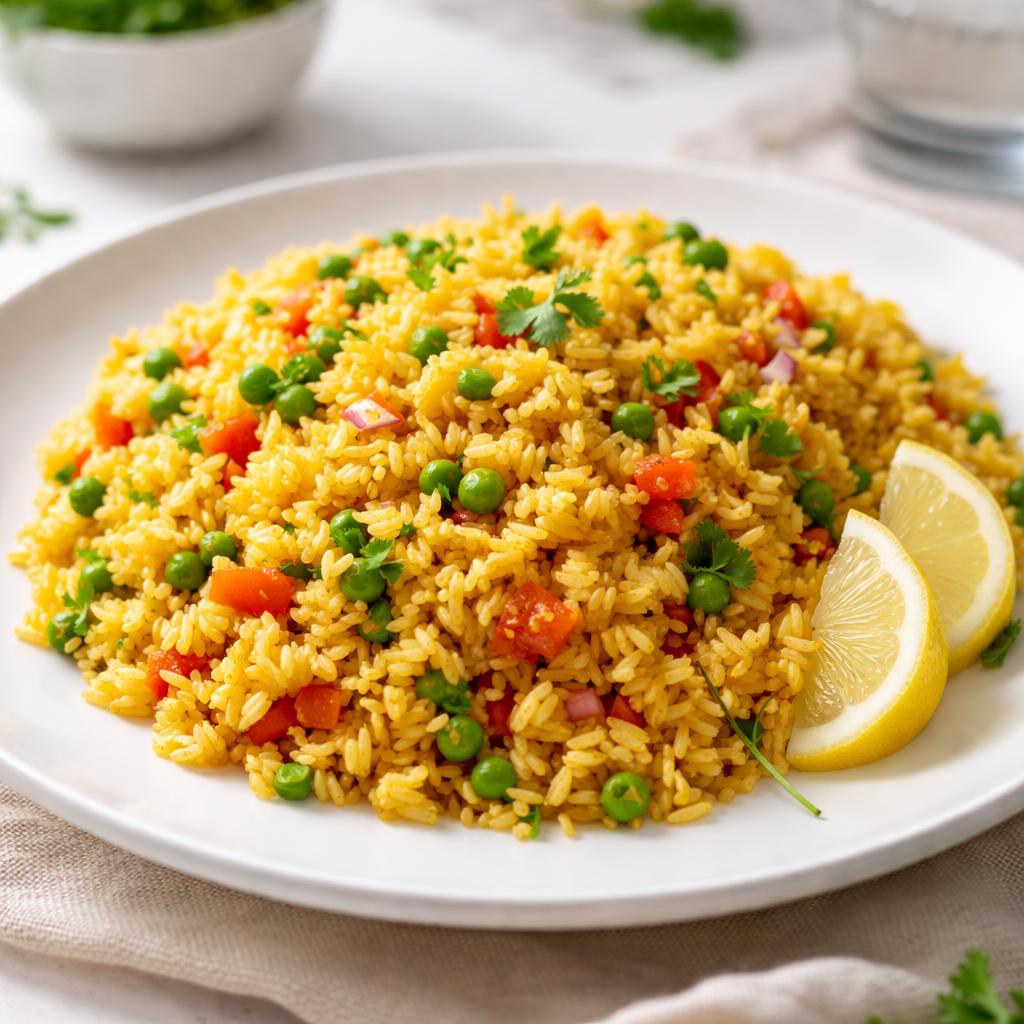
Yellow Rice
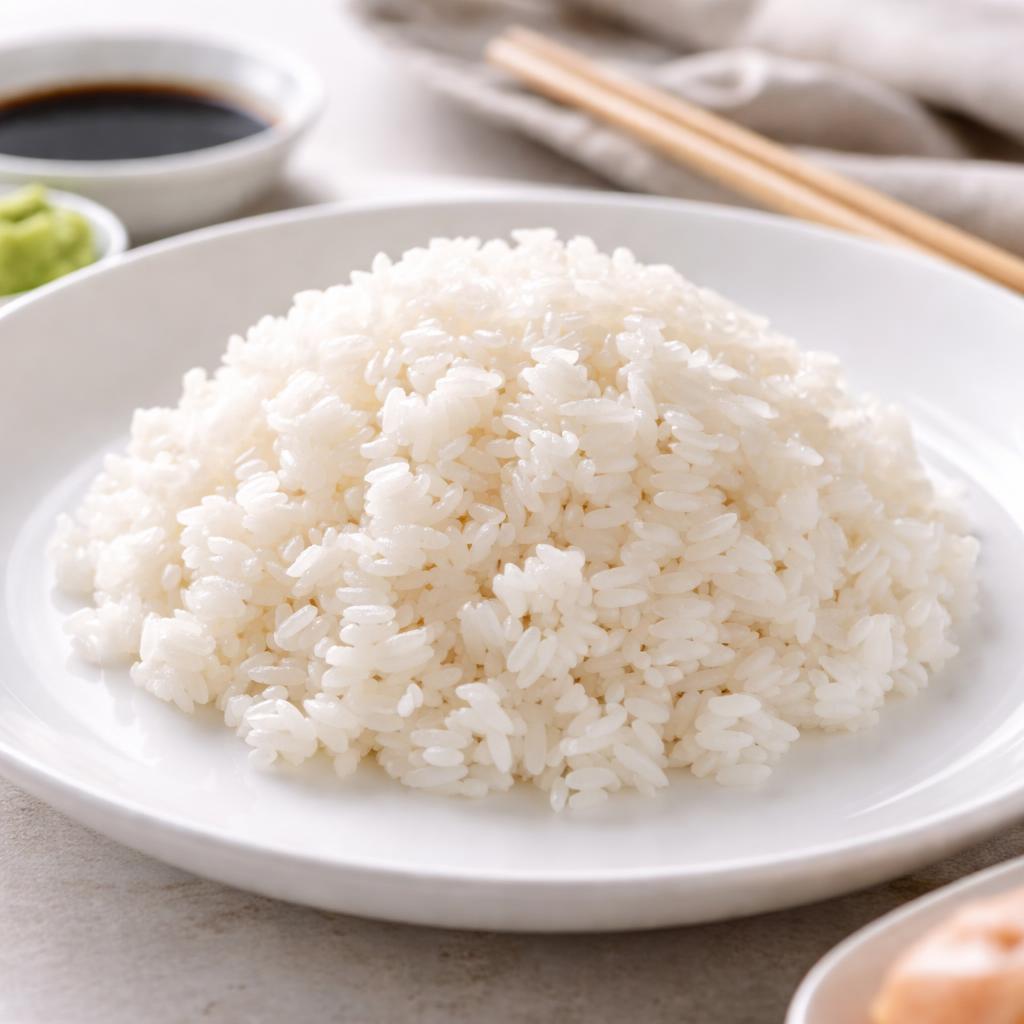
Sushi Rice
🎯 Quick Verdict
Yellow rice is slightly higher in fiber, lower in calories, and offers additional nutrients due to the spices and seasonings often used during preparation. Sushi rice, while lower in fiber, is higher in carbohydrates, making it a good option for quick energy. Yellow rice is ideal for nutrient-conscious meals, while sushi rice is perfect for dishes requiring sticky texture like sushi rolls.

Smart Nutrition Tracking with SnapCalorie

📊 Nutritional Comparison
Macronutrients
| Nutrient | Food 1 | Food 2 | Winner |
|---|---|---|---|
| Calories | 150 kcal | 170 kcal | ✓ |
| Protein | 3g | 3g | − |
| Carbs | 33g | 37g | ✓ |
| Fat | 0.5g | 0g | ✓ |
| Fiber | 1g | 0g | ✓ |
Vitamins & Minerals
| Nutrient | Food 1 | Food 2 | Winner |
|---|---|---|---|
| Vitamin D | 0mcg | 0mcg | − |
| Calcium | 5mg | 2mg | ✓ |
| Iron | 1mg | 0.7mg | ✓ |
| Potassium | 25mg | 10mg | ✓ |
🏆 Category Winners
Protein
Both foods provide 3g of protein per serving.
Fiber
Yellow rice has 1g of fiber compared to sushi rice's 0g.
Calories
Yellow rice has 150 kcal per serving, 20 fewer than sushi rice.
Vitamins
Yellow rice contains slightly more calcium, iron, and potassium due to added seasonings.
🥗 Diet Compatibility
Keto
Food 1: Not Compatible
Food 2: Not Compatible
Both are high-carb foods unsuitable for keto diets.
Vegan
Food 1: Compatible
Food 2: Compatible
Both are purely plant-based foods.
Gluten Free
Food 1: Compatible
Food 2: Compatible
Neither contains gluten.
Paleo
Food 1: Not Compatible
Food 2: Not Compatible
Rice is not allowed on strict paleo diets.
Low-Carb
Food 1: Not Compatible
Food 2: Not Compatible
Both are primarily carbohydrate-based foods.
💪 Health Benefits Comparison
Food 1 Benefits
- Provides slightly more micronutrients like calcium and iron.
- Contains fiber for better digestion.
- Lower in calories, supporting weight management.
- Infused with antioxidant-rich spices like turmeric (if prepared traditionally).
Food 2 Benefits
- Sticky texture makes it perfect for sushi preparation.
- Higher carbohydrate content for quick energy.
- Low fat, ideal for fat-conscious diets.
- Simple, unseasoned base suitable for pairing with nutrient-dense toppings.
✅ The Bottom Line
Yellow rice is the better choice for a nutrient-rich side dish or weight-conscious meals, while sushi rice works better for creating sushi rolls or dishes requiring a high-carb energy boost. Choose yellow rice for balanced nutrition, and sushi rice for specialty meal preparations requiring its sticky texture.
Choose Food 1 for: Weight management, nutrient-rich side dishes, digestion
Choose Food 2 for: Quick energy, sushi preparation, light-fat meals


