Yellow Rice VS Saffron Rice
A detailed nutritional comparison
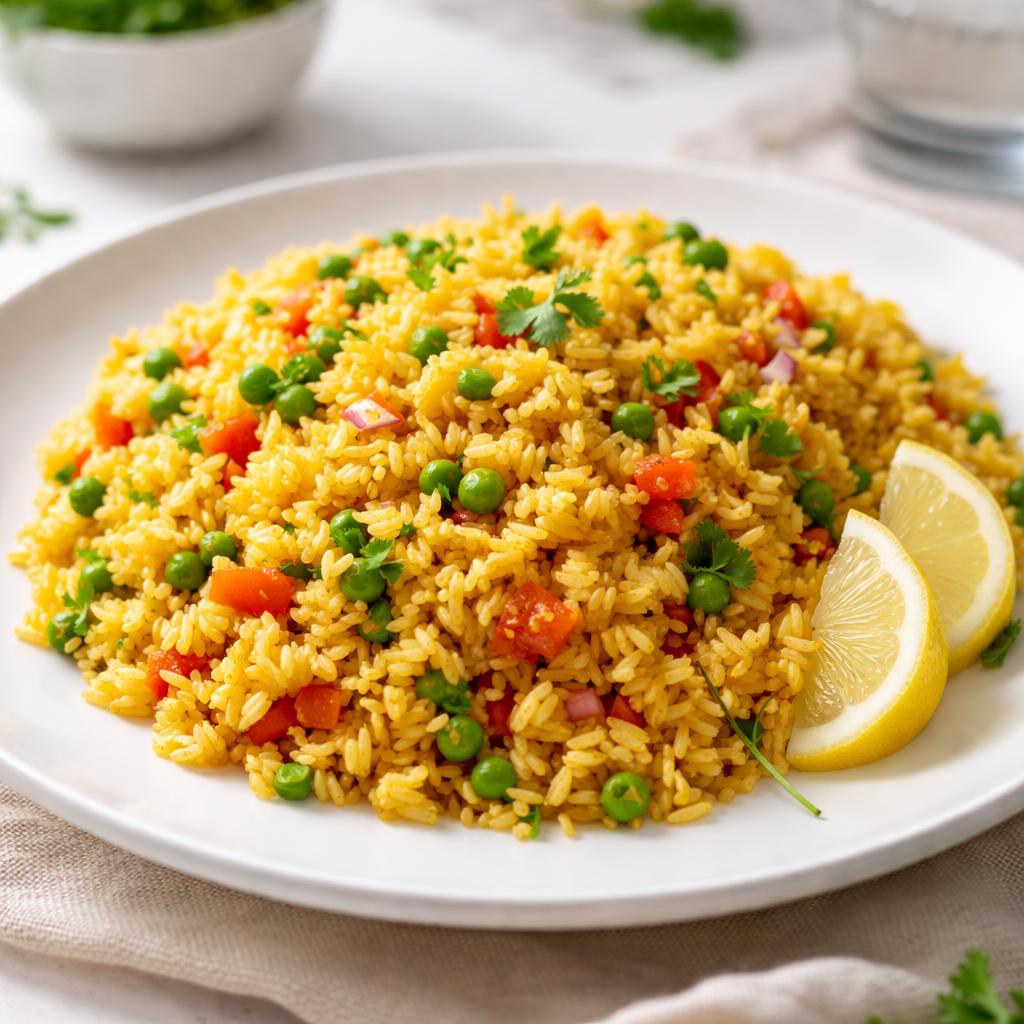
Yellow Rice
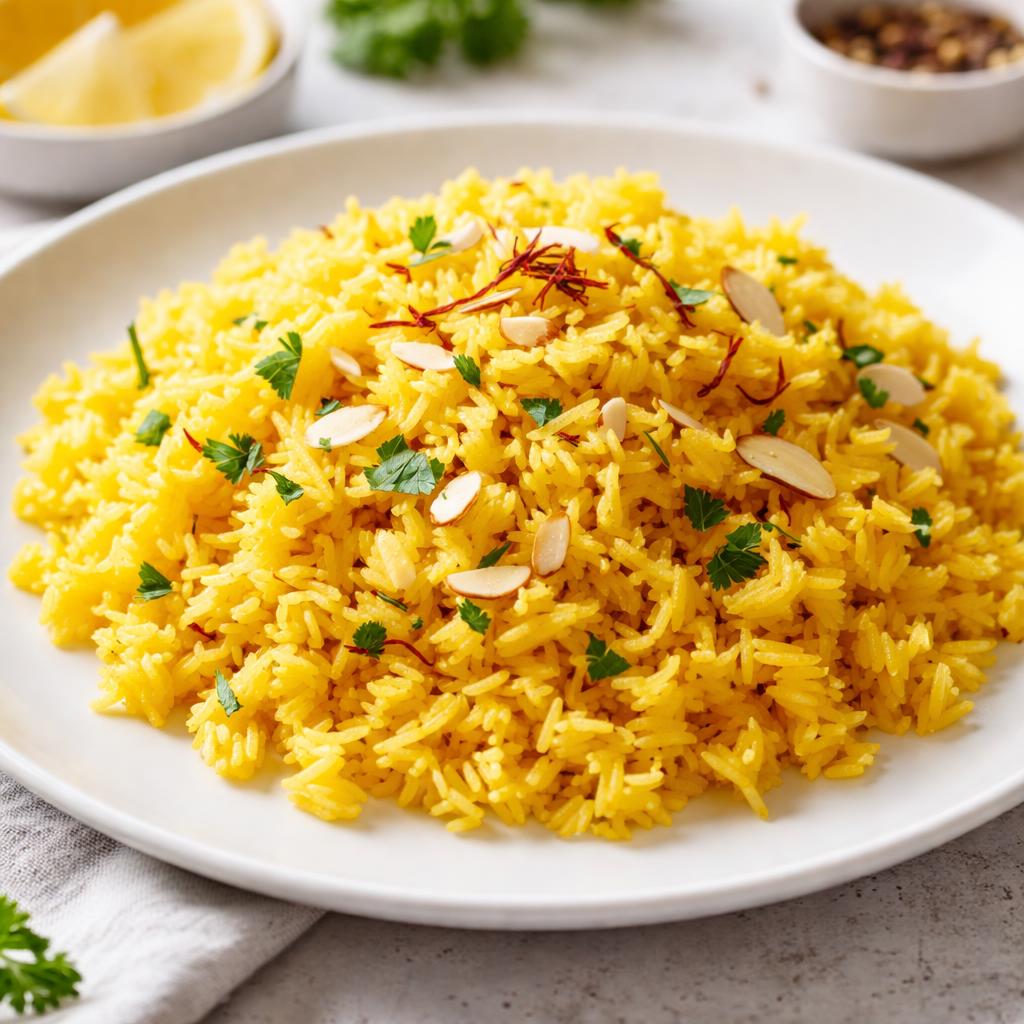
Saffron Rice
🎯 Quick Verdict
Yellow rice and saffron rice are similar in calorie and protein content, but saffron rice tends to offer more fiber and additional antioxidants thanks to the saffron. Yellow rice is slightly lower in calories, making it ideal for calorie-conscious meals. Both options are gluten-free and versatile for various cuisines.

Smart Nutrition Tracking with SnapCalorie

📊 Nutritional Comparison
Macronutrients
| Nutrient | Food 1 | Food 2 | Winner |
|---|---|---|---|
| Calories | 200 | 210 | − |
| Protein | 4g | 4g | − |
| Carbs | 36g | 38g | − |
| Fat | 3g | 4g | − |
| Fiber | 1g | 2g | − |
Vitamins & Minerals
| Nutrient | Food 1 | Food 2 | Winner |
|---|---|---|---|
| Vitamin C | 0mg | 0mg | − |
| Vitamin D | 0mcg | 0mcg | − |
| Iron | 0.5mg | 1mg | − |
🏆 Category Winners
Protein
Both foods contain equal amounts of protein per serving (4g).
Fiber
Saffron rice offers twice the fiber content compared to yellow rice.
Calories
Yellow rice contains slightly fewer calories per serving.
🥗 Diet Compatibility
Keto
Food 1: Not Compatible
Food 2: Not Compatible
Both are high-carb rice dishes not suitable for keto.
Vegan
Food 1: Compatible
Food 2: Compatible
Both dishes are plant-based when not prepared with animal-based ingredients.
Gluten Free
Food 1: Compatible
Food 2: Compatible
Both are naturally gluten-free as rice is the main ingredient.
Paleo
Food 1: Not Compatible
Food 2: Not Compatible
Rice is not considered paleo-friendly due to its grain status.
Low Carb
Food 1: Not Compatible
Food 2: Not Compatible
Both yellow and saffron rice have high carbohydrate content.
💪 Health Benefits Comparison
Food 1 Benefits
- Lower calorie option for weight-conscious meals
- Good source of carbohydrates for energy
- Naturally gluten-free and versatile for different dietary preferences
Food 2 Benefits
- Contains saffron, which is high in antioxidants
- Provides more fiber for better digestion
- Rich in iron to promote healthy red blood cell function
✅ The Bottom Line
Choose yellow rice if you’re focusing on reducing calorie intake or seeking an affordable option for everyday meals. Opt for saffron rice if you want enhanced digestion support with its higher fiber content, and additional antioxidants from saffron for overall well-being.
Choose Food 1 for: Weight-conscious meal prep, energy-boosting carb source
Choose Food 2 for: Enhanced digestion, antioxidant benefits, nutrient-rich diets


