Yellow Rice VS Hainanese Chicken Rice
A detailed nutritional comparison
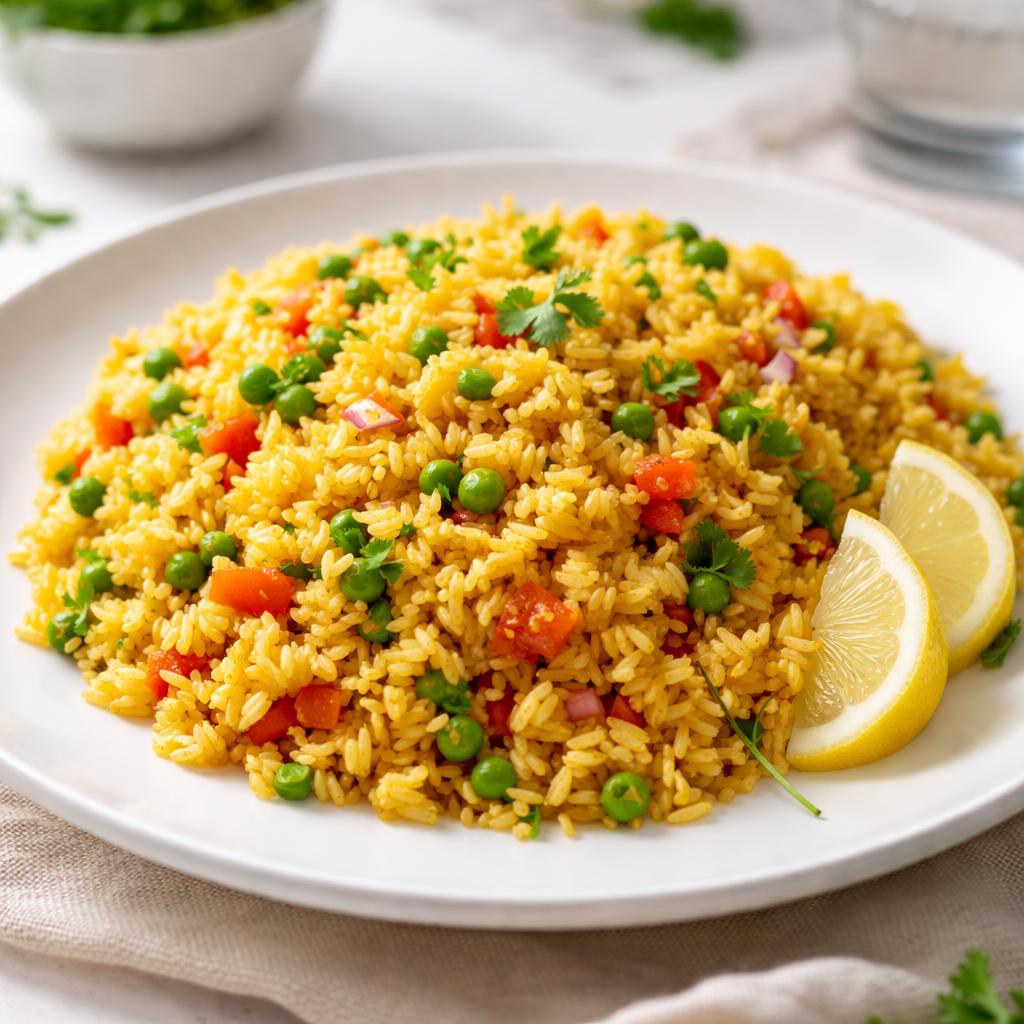
Yellow Rice
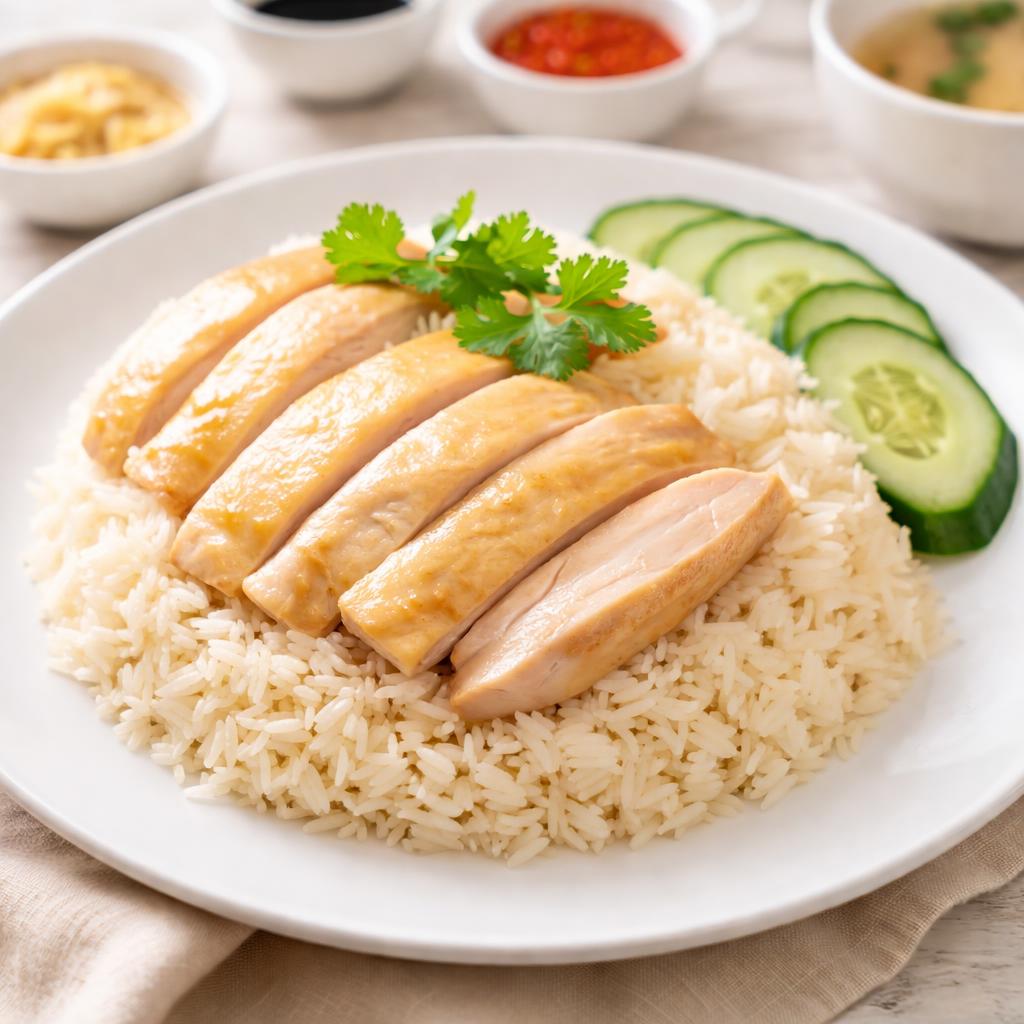
Hainanese Chicken Rice
🎯 Quick Verdict
Hainanese chicken rice is higher in protein, making it a better choice for muscle maintenance and balanced meals. Yellow rice is lower in calories and offers more fiber, suitable for lighter meals or digestion-focused diets. Both have distinct strengths based on dietary needs.

Smart Nutrition Tracking with SnapCalorie

📊 Nutritional Comparison
Macronutrients
| Nutrient | Food 1 | Food 2 | Winner |
|---|---|---|---|
| Calories | 200 | 550 | ✓ |
| Protein | 4g | 20g | ✓ |
| Carbs | 42g | 60g | ✓ |
| Fat | 3g | 25g | ✓ |
| Fiber | 2g | 1g | ✓ |
Vitamins & Minerals
| Nutrient | Food 1 | Food 2 | Winner |
|---|---|---|---|
| Vitamin D | 0mcg | 2mcg | ✓ |
| Calcium | 10mg | 15mg | ✓ |
| Iron | 1mg | 1.5mg | ✓ |
🏆 Category Winners
Protein
Hainanese chicken rice provides 400% more protein per serving due to the chicken content.
Fiber
Yellow rice offers double the fiber per serving for enhanced digestion.
Calories
Yellow rice is lower in calories, making it ideal for weight-conscious meals.
Vitamins
Food2 contains more vitamin D, calcium, and iron for better bone and immune health.
🥗 Diet Compatibility
Keto
Food 1: Not Compatible
Food 2: Not Compatible
Both are high in carbs and do not meet keto requirements.
Vegan
Food 1: Compatible
Food 2: Not Compatible
Yellow rice is plant-based, while Hainanese chicken rice contains animal products.
Gluten Free
Food 1: Compatible
Food 2: Compatible
Both are naturally gluten-free, provided no cross-contamination occurs.
Paleo
Food 1: Not Compatible
Food 2: Not Compatible
Both foods include grains, which are not paleo-approved.
Low-Carb
Food 1: Not Compatible
Food 2: Not Compatible
Both are high in carbohydrates despite differing calorie content.
💪 Health Benefits Comparison
Food 1 Benefits
- Provides moderate fiber for digestive health
- Low in calories for weight management
- A quick source of energy from carbs
Food 2 Benefits
- High in protein for muscle maintenance and repair
- Contains essential fats for brain and heart health
- Rich in vitamin D and trace minerals like iron and calcium, improving bone strength and immunity
✅ The Bottom Line
Yellow rice is better for lighter meals, digestion support, and vegan diets, while Hainanese chicken rice offers higher protein and richer nutrients for those seeking a complete, hearty meal. The choice depends on whether you prioritize calories or protein intake.
Choose Food 1 for: Low-calorie meals, digestion-focused diets, vegan-friendly options
Choose Food 2 for: High-protein diets, balanced meals, nutrient-dense options


