Wild Rice VS Rice With Vegetables And Meat
A detailed nutritional comparison
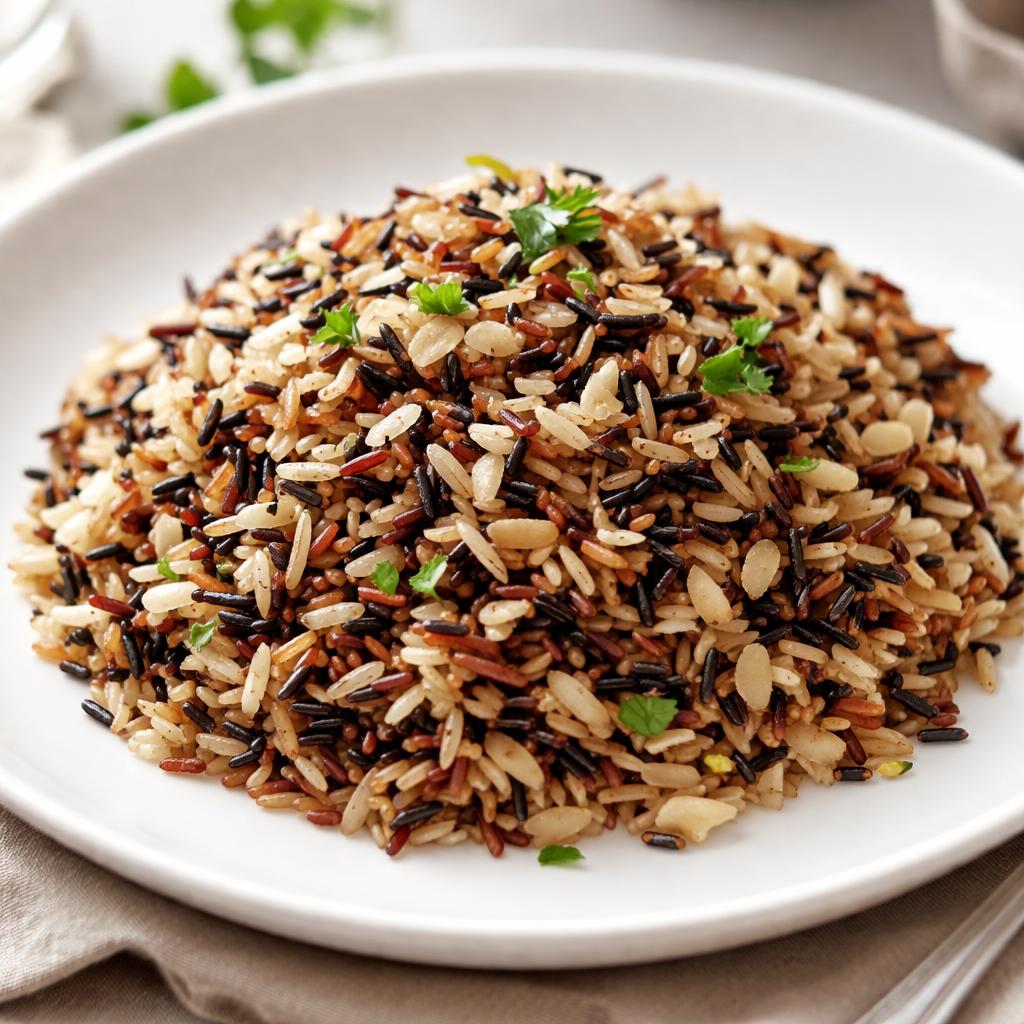
Wild Rice
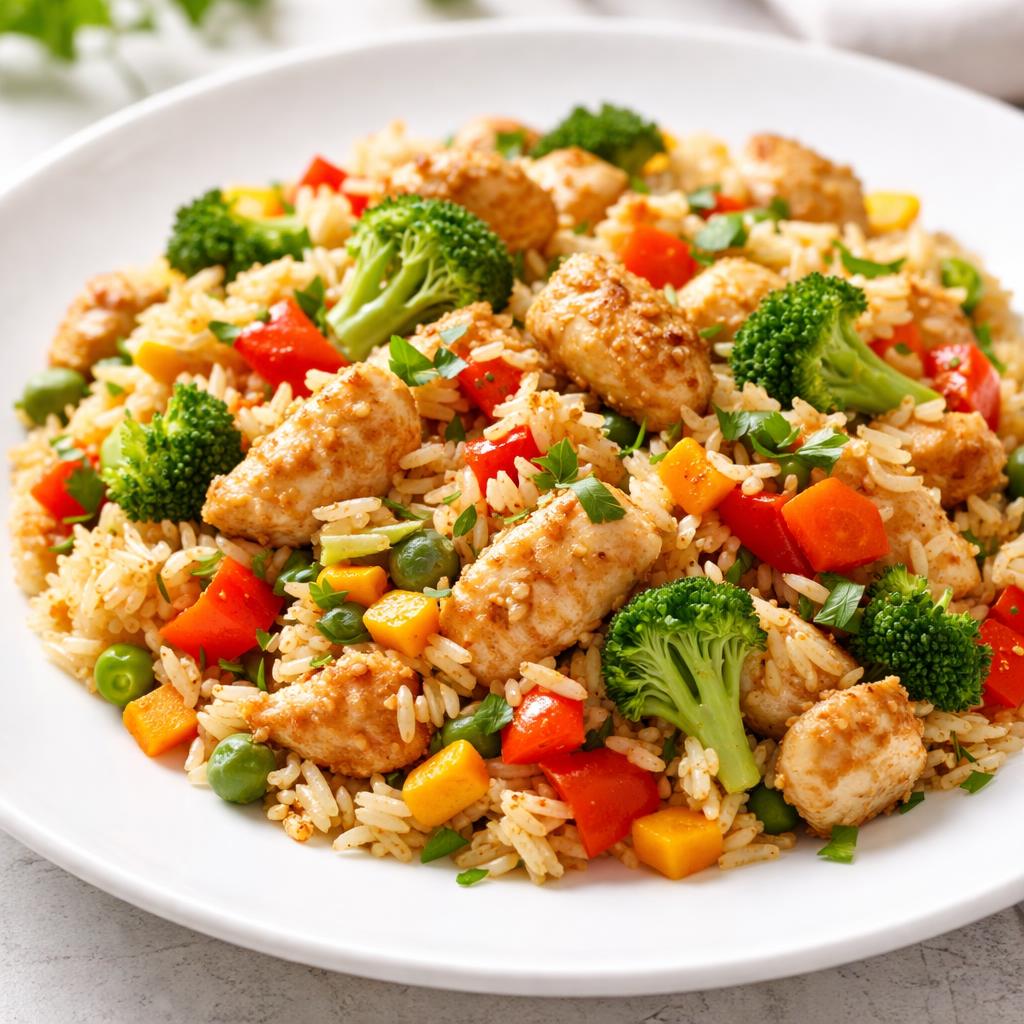
Rice With Vegetables And Meat
🎯 Quick Verdict
Wild rice is lower in calories and higher in fiber, making it great for weight management and promoting digestion. Rice with vegetables and meat offers more protein, versatile nutrient density, and is better suited for active lifestyles or a balanced meal. Each has unique benefits depending on dietary goals.

Smart Nutrition Tracking with SnapCalorie

📊 Nutritional Comparison
Macronutrients
| Nutrient | Food 1 | Food 2 | Winner |
|---|---|---|---|
| Calories | 166 | 210 | ✓ |
| Protein | 6.5g | 15g | ✓ |
| Carbs | 35g | 25g | ✓ |
| Fat | 0.6g | 8g | ✓ |
| Fiber | 3g | 1.5g | ✓ |
Vitamins & Minerals
| Nutrient | Food 1 | Food 2 | Winner |
|---|---|---|---|
| Vitamin A | 0mcg | 150mcg (from vegetables) | ✓ |
| Vitamin C | 0mg | 10mg (from vegetables) | ✓ |
| Iron | 0.6mg | 2mg | ✓ |
| Calcium | 21mg | 50mg | ✓ |
🏆 Category Winners
Protein
Food2 contains over twice the protein due to the inclusion of meat.
Fiber
Wild rice is a natural whole grain containing higher fiber than food2.
Calories
Wild rice is lower in calories, beneficial for calorie-controlled diets.
Vitamins
Food2 is enriched with vegetables, providing more vitamins and minerals overall.
🥗 Diet Compatibility
Keto
Food 1: Not Compatible
Food 2: Not Compatible
Both foods are carbohydrate-rich.
Vegan
Food 1: Compatible
Food 2: Not Compatible
Wild rice is plant-based while food2 contains meat.
Gluten Free
Food 1: Compatible
Food 2: Compatible
Neither food contains gluten.
Paleo
Food 1: Compatible
Food 2: Compatible with modifications
Wild rice is paleo-friendly; food2 is compatible only if paleo-approved meat/veggies are used.
Low-Carb
Food 1: Not Compatible
Food 2: Not Compatible
Both have high carbohydrate content.
💪 Health Benefits Comparison
Food 1 Benefits
- High fiber content aids digestion and colon health
- Low in calories, suiting weight loss diets
- Rich in antioxidants that promote overall health
Food 2 Benefits
- High protein content supports muscle repair and growth
- Includes vegetables for added minerals, vitamins, and antioxidants
- Balanced macros make it suitable for active lifestyles
✅ The Bottom Line
When choosing between wild rice and rice with vegetables and meat, opt for wild rice if you are aiming for lower calorie meals and better fiber intake. Choose rice with vegetables and meat for higher protein content and balanced nutrients. Each meal serves different purposes based on your health and fitness goals.
Choose Food 1 for: Weight loss, fiber-rich diets, gluten-free and vegan meals
Choose Food 2 for: High-protein diets, active lifestyles, nutrient-dense meals


