Wild Rice VS Pasta With Mushrooms
A detailed nutritional comparison
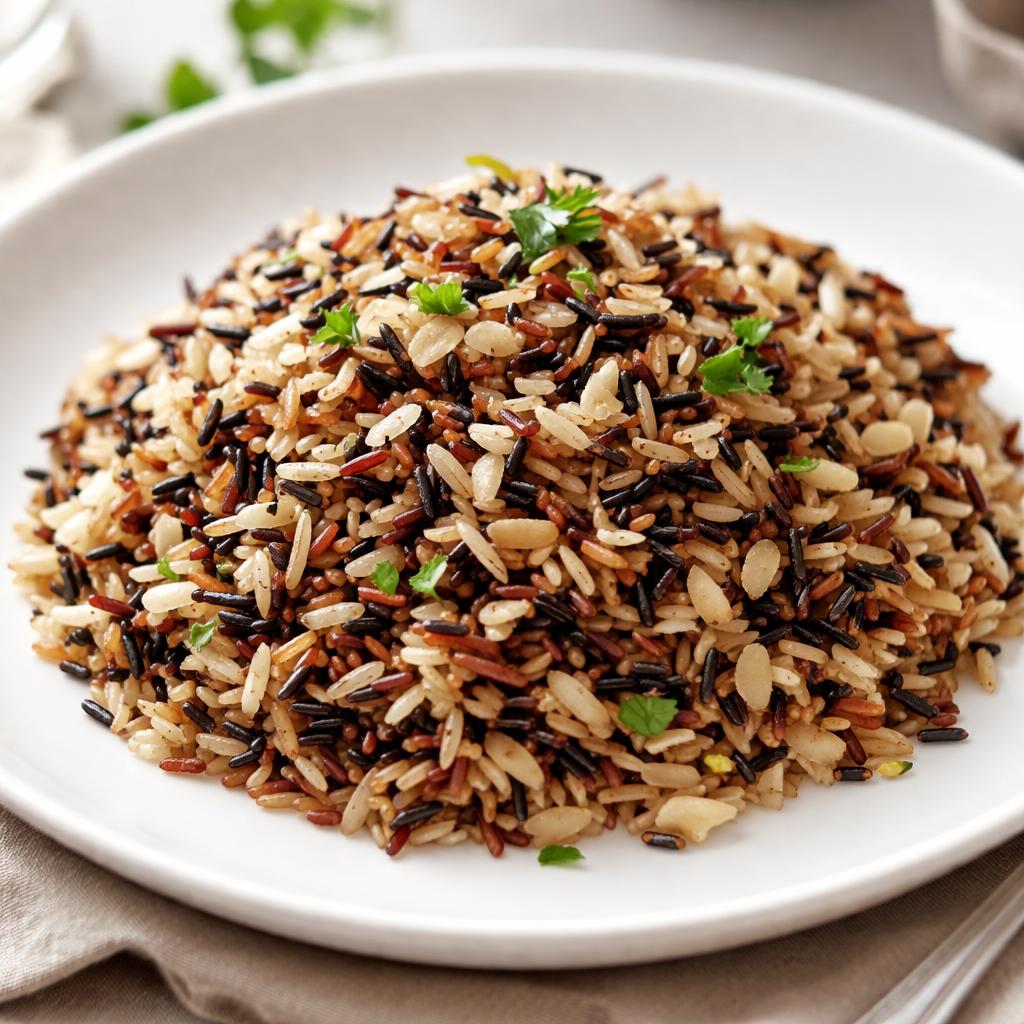
Wild Rice
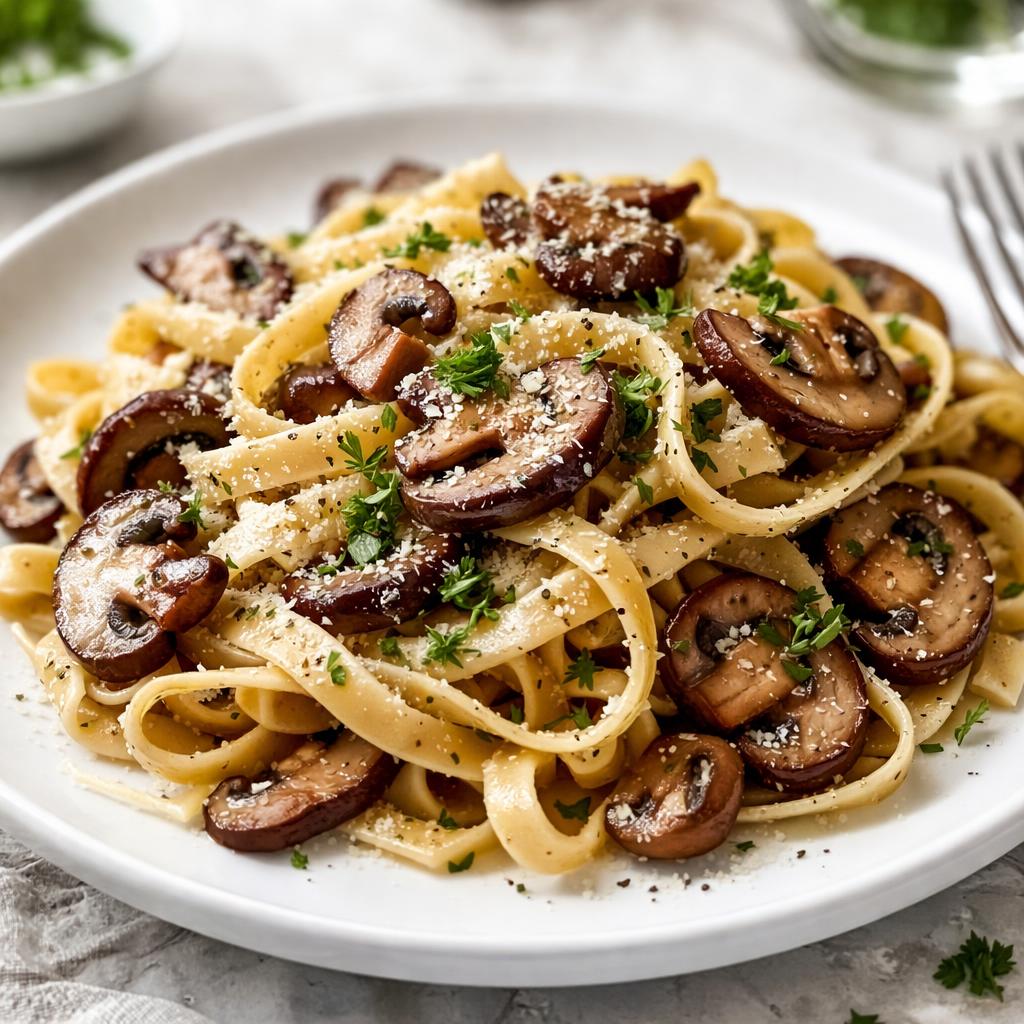
Pasta With Mushrooms
🎯 Quick Verdict
Wild rice outshines pasta with mushrooms in terms of protein, fiber, and lower calorie count, making it ideal for weight management and nutrient-dense diets. Pasta with mushrooms, however, offers a richer variety of flavors and is better suited for energy-intensive meals or comfort food purposes.

Smart Nutrition Tracking with SnapCalorie

📊 Nutritional Comparison
Macronutrients
| Nutrient | Food 1 | Food 2 | Winner |
|---|---|---|---|
| Calories | 166cal (per cooked cup) | 220cal (per cooked cup) | ✓ |
| Protein | 6.5g | 5g | ✓ |
| Carbs | 35g | 40g | ✓ |
| Fat | 0.6g | 7g | ✓ |
| Fiber | 3g | 2g | ✓ |
Vitamins & Minerals
| Nutrient | Food 1 | Food 2 | Winner |
|---|---|---|---|
| Vitamin B6 | 0.1mg | 0.5mg | ✓ |
| Vitamin D | 0mcg | 2mcg | ✓ |
| Magnesium | 52mg | 12mg | ✓ |
| Iron | 1mg | 2mg | ✓ |
| Potassium | 166mg | 400mg | ✓ |
🏆 Category Winners
Protein
Wild rice has 30% more protein per serving.
Fiber
Wild rice provides 50% more fiber for improved digestion.
Calories
Wild rice has 25% fewer calories than pasta with mushrooms.
Vitamins
Pasta with mushrooms wins in vitamin D, B6, iron, and potassium.
🥗 Diet Compatibility
Keto
Food 1: Not Compatible
Food 2: Not Compatible
Both are high in carbohydrates, unsuitable for keto diets.
Vegan
Food 1: Compatible
Food 2: Compatible
Both are plant-based and fit vegan diets.
Gluten Free
Food 1: Compatible
Food 2: Not Compatible
Pasta with mushrooms contains gluten unless gluten-free pasta is used.
Paleo
Food 1: Compatible
Food 2: Not Compatible
Wild rice aligns with paleo principles, but pasta with mushrooms does not.
Low Carb
Food 1: Not Compatible
Food 2: Not Compatible
Both are relatively high-carb foods.
💪 Health Benefits Comparison
Food 1 Benefits
- Rich in protein to support muscle maintenance
- High fiber content for improved digestion and gut health
- Low fat and calorie count, suitable for weight management
- Contains beneficial minerals like magnesium for bone health
Food 2 Benefits
- Source of vitamin D, beneficial for bone and immune health
- Rich in potassium, supporting heart and muscle function
- Provides iron for oxygen transport and energy metabolism
- Contains antioxidants from mushrooms, which reduce inflammation
✅ The Bottom Line
Wild rice is a versatile, nutrient-dense option for those focused on weight management, protein intake, and digestion. Pasta with mushrooms is better suited for hearty meals and provides key vitamins and minerals like B6, potassium, and vitamin D. Choose wild rice for lighter meals and nutrient-focused diets, or opt for pasta with mushrooms for comforting, energy-rich dishes.
Choose Food 1 for: Weight management, high-protein diets, Paleo-aligned meals
Choose Food 2 for: Comfort meals, nutrient diversity, heart health


