Wild Rice VS Pasta With Cream Sauce
A detailed nutritional comparison
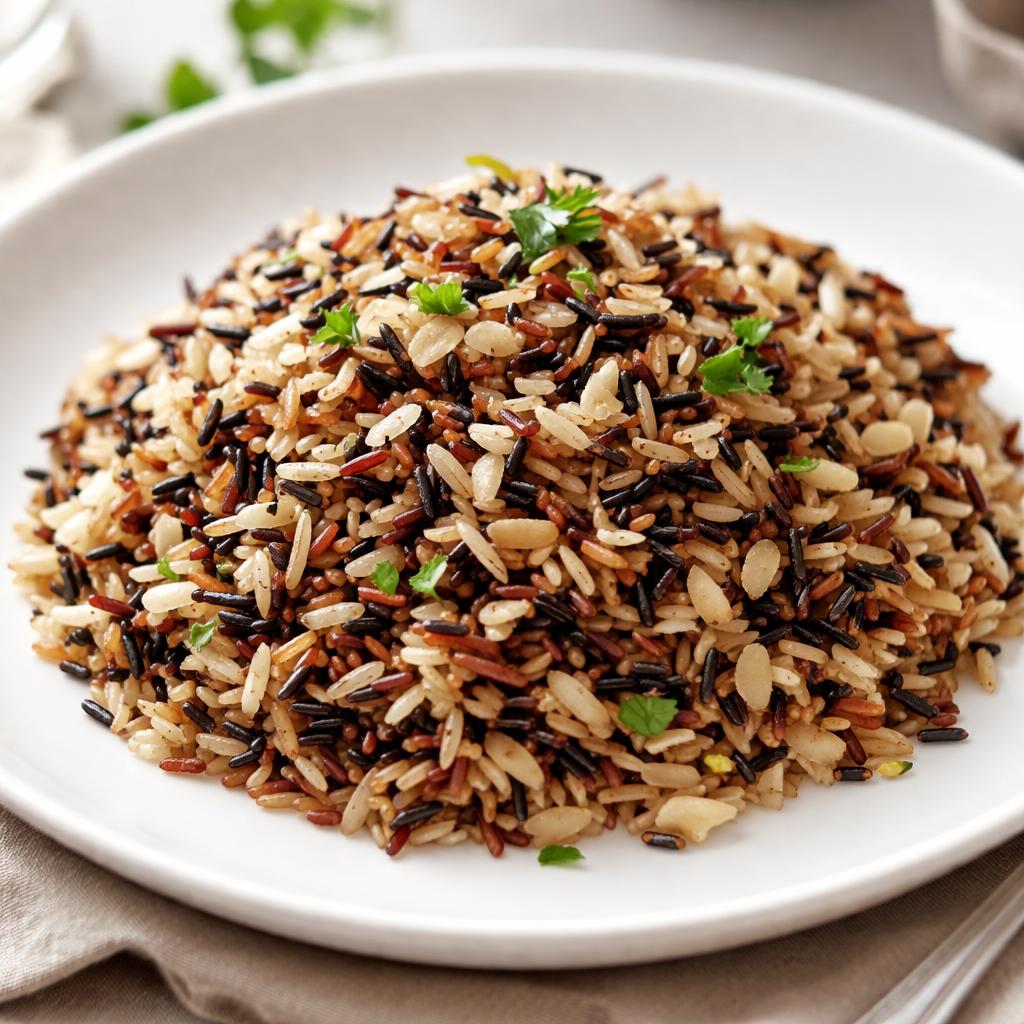
Wild Rice
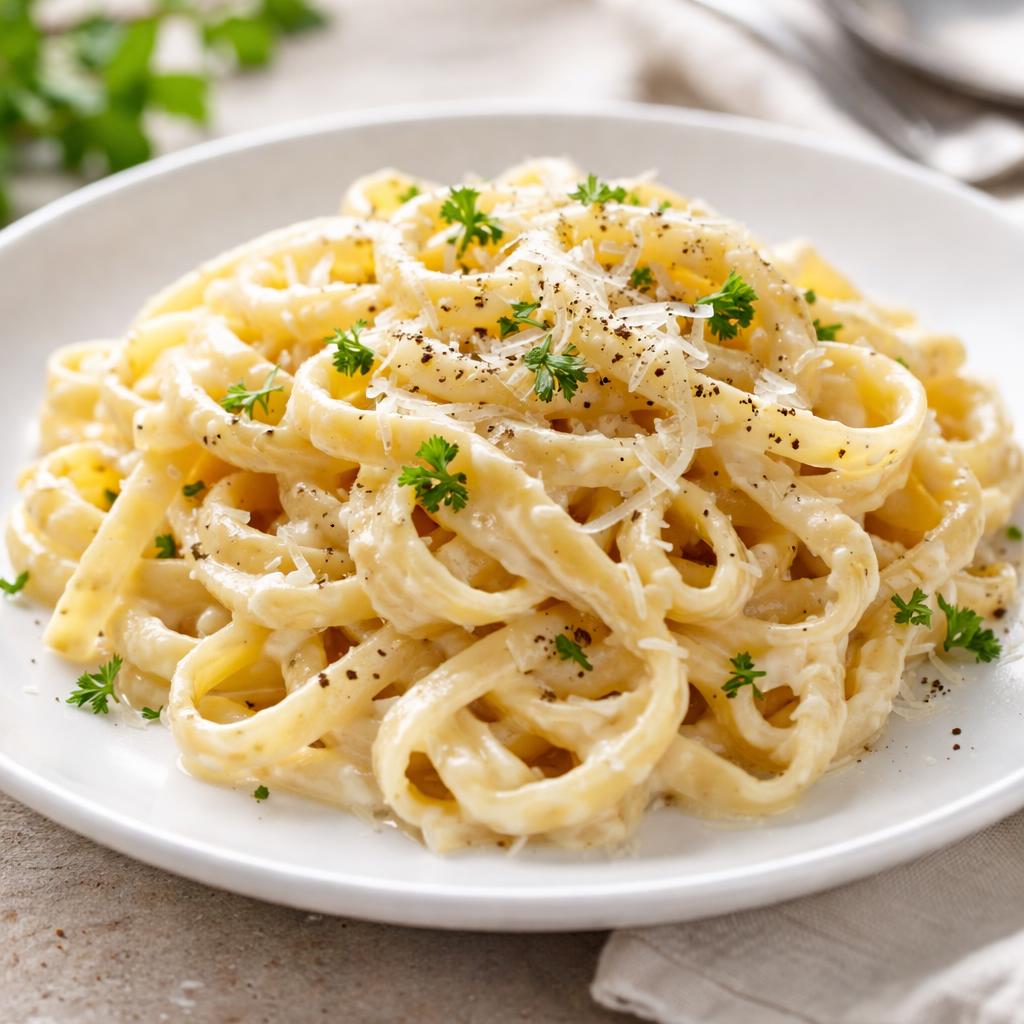
Pasta With Cream Sauce
🎯 Quick Verdict
Wild rice is a nutrient-dense, lower-calorie option with significantly more protein and fiber compared to pasta with cream sauce. Pasta with cream sauce offers more fat and calories but delivers richer flavor for indulgent meals. Opt for wild rice for health-conscious choices, while pasta suits occasional treats or higher-energy diets.

Smart Nutrition Tracking with SnapCalorie

📊 Nutritional Comparison
Macronutrients
| Nutrient | Food 1 | Food 2 | Winner |
|---|---|---|---|
| Calories | 166 | 310 | ✓ |
| Protein | 6.5g | 6g | ✓ |
| Carbs | 35g | 40g | ✓ |
| Fat | 0.6g | 14g | ✓ |
| Fiber | 3g | 1.5g | ✓ |
Vitamins & Minerals
| Nutrient | Food 1 | Food 2 | Winner |
|---|---|---|---|
| Vitamin D | 0mcg | 0.5mcg | ✓ |
| Calcium | 10mg | 60mg | ✓ |
| Iron | 1mg | 0.8mg | ✓ |
🏆 Category Winners
Protein
Wild rice edges out by providing 8% more protein per serving.
Fiber
Wild rice has double the fiber content compared to pasta with cream sauce.
Calories
Wild rice has roughly 45% fewer calories per serving.
Vitamins
Pasta with cream sauce provides more calcium and vitamin D.
🥗 Diet Compatibility
Keto
Food 1: Not Compatible
Food 2: Not Compatible
Both are high in carbs, making them unsuitable for keto diets.
Vegan
Food 1: Compatible
Food 2: Not Compatible
Wild rice is plant-based, while pasta with cream sauce contains dairy.
Gluten Free
Food 1: Compatible
Food 2: Not Compatible
Wild rice is naturally gluten-free; pasta contains wheat.
Paleo
Food 1: Compatible
Food 2: Not Compatible
Wild rice fits paleo guidelines; pasta and cream sauce do not.
Low Carb
Food 1: Not Compatible
Food 2: Not Compatible
Both are moderate to high-carb and do not qualify as low-carb foods.
💪 Health Benefits Comparison
Food 1 Benefits
- Good source of protein for muscle repair
- High in fiber to support digestive health
- Low in fat and calories, ideal for weight management
- Provides magnesium and phosphorus boosting bone health
Food 2 Benefits
- Rich in calcium for bone strength
- Contains fats for energy and satisfaction
- Vitamin D supports immune function
- Provides a high-energy meal for active lifestyles
✅ The Bottom Line
Choose wild rice for nutrient density, lower calories, higher protein, and fiber—ideal for weight loss and vegan or gluten-free diets. Reserve pasta with cream sauce for indulgent meals, high-energy requirements, or when richer flavor is desired.
Choose Food 1 for: Healthy meals, weight management, vegan/gluten-free diets
Choose Food 2 for: High-energy meals, occasional treats, calcium-rich diets


