Wild Rice VS Brown Rice And Quinoa
A detailed nutritional comparison
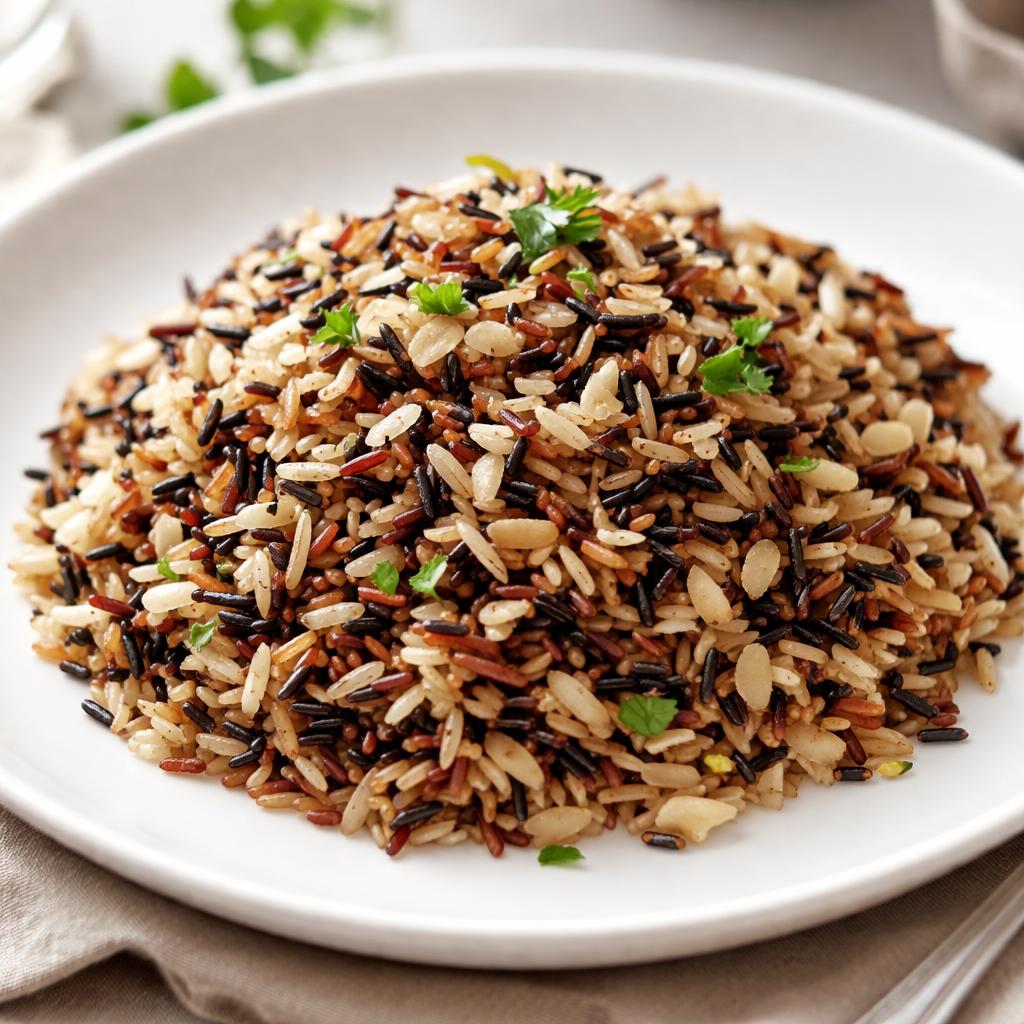
Wild Rice
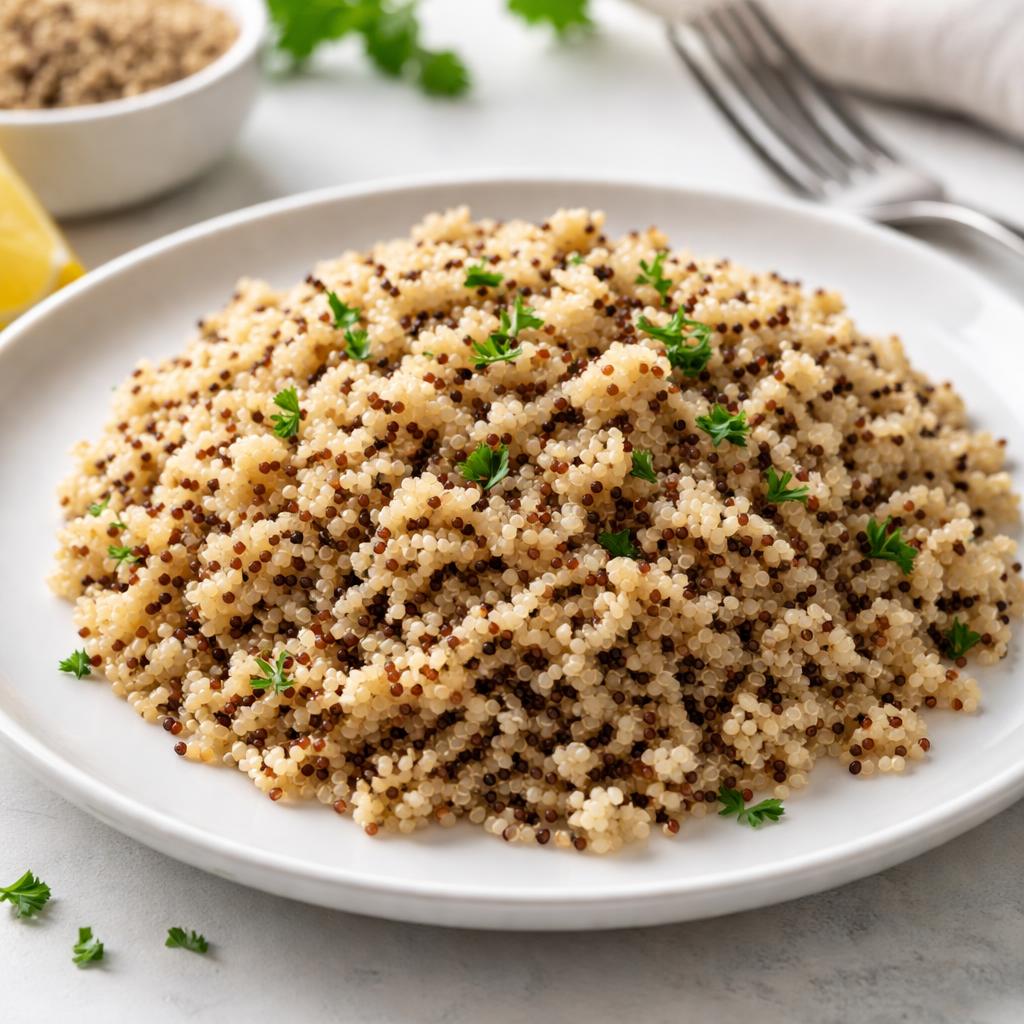
Brown Rice And Quinoa
🎯 Quick Verdict
Wild rice and brown rice with quinoa are nutrient-dense options, both offering unique health benefits. Wild rice has fewer calories and more fiber, making it great for weight management and digestion. Brown rice with quinoa has higher protein content and more varied micronutrients, ideal for balanced nutrition and sustained energy levels.

Smart Nutrition Tracking with SnapCalorie

📊 Nutritional Comparison
Macronutrients
| Nutrient | Food 1 | Food 2 | Winner |
|---|---|---|---|
| Calories | 166 per cup cooked | 222 per cup cooked | ✓ |
| Protein | 6.5g per cup cooked | 8g per cup cooked | ✓ |
| Carbs | 35g per cup cooked | 39g per cup cooked | ✓ |
| Fat | 0.6g per cup cooked | 3.5g per cup cooked | ✓ |
| Fiber | 3g per cup cooked | 2.6g per cup cooked | ✓ |
Vitamins & Minerals
| Nutrient | Food 1 | Food 2 | Winner |
|---|---|---|---|
| Vitamin B6 | 0.1mg | 0.2mg | ✓ |
| Magnesium | 52mg | 64mg | ✓ |
| Zinc | 1.3mg | 1.2mg | ✓ |
🏆 Category Winners
Protein
Brown rice with quinoa has 23% more protein per serving.
Fiber
Wild rice offers slightly more fiber content per cup.
Calories
Wild rice has approximately 25% fewer calories per serving.
Vitamins
It provides higher levels of Magnesium and Vitamin B6, promoting energy production.
🥗 Diet Compatibility
Keto
Food 1: Not Compatible
Food 2: Not Compatible
Both are too high in carbs.
Vegan
Food 1: Compatible
Food 2: Compatible
Both foods are plant-based and suitable for vegan diets.
Gluten Free
Food 1: Compatible
Food 2: Compatible
Neither contains gluten or gluten-derived ingredients.
Paleo
Food 1: Compatible
Food 2: Partially Compatible
Wild rice fits paleo guidelines; quinoa is not strictly paleo.
Low-Carb
Food 1: Not Compatible
Food 2: Not Compatible
Both are moderate-to-high in carbohydrates.
💪 Health Benefits Comparison
Food 1 Benefits
- Lower calorie option for weight management
- Rich in fiber, aiding digestion and gut health
- Contains antioxidants to combat free radicals
- Good source of zinc to support immunity
Food 2 Benefits
- Higher protein content for muscle repair and maintenance
- Includes quinoa, providing all essential amino acids
- Contains magnesium for bone health and energy production
- Source of Vitamin B6 to support brain function and hormone regulation
✅ The Bottom Line
Wild rice and brown rice with quinoa are both excellent choices, but the best option depends on dietary priorities. Wild rice is better for those seeking fewer calories and higher fiber, while brown rice with quinoa caters to those looking for higher protein and varied micronutrients.
Choose Food 1 for: Weight-conscious diets, digestion support, antioxidant intake
Choose Food 2 for: Muscle repair, balanced nutrition, sustained energy


