Wild Rice VS Bread Rolls
A detailed nutritional comparison
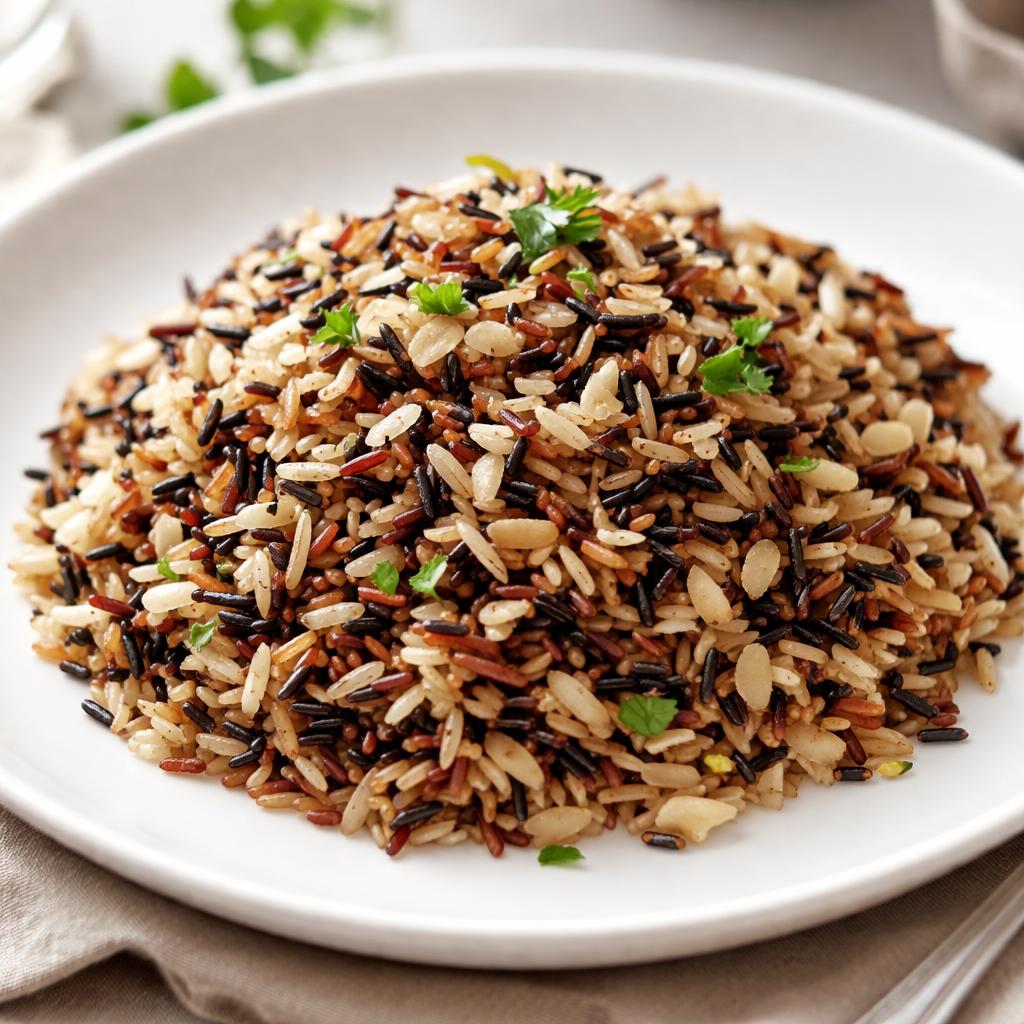
Wild Rice
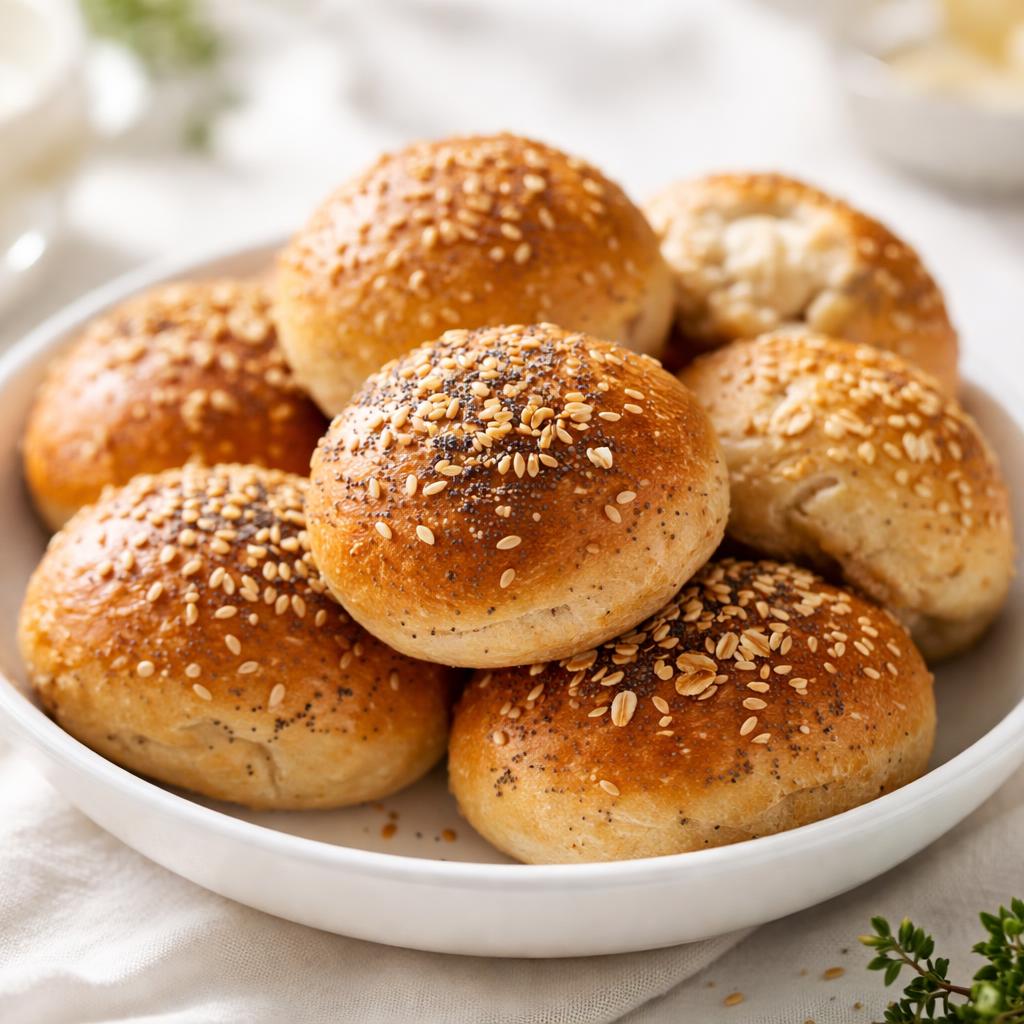
Bread Rolls
🎯 Quick Verdict
Wild rice offers more protein and fiber while being lower in calories, making it a nutritionally dense option compared to bread rolls. Bread rolls provide more carbs and are a quick energy source, but lack the nutrient density of wild rice. Wild rice suits health-conscious diets, while bread rolls are better for quick, convenient carb-loading.

Smart Nutrition Tracking with SnapCalorie

📊 Nutritional Comparison
Macronutrients
| Nutrient | Food 1 | Food 2 | Winner |
|---|---|---|---|
| Calories | 166 | 260 | ✓ |
| Protein | 6.5g | 7g | − |
| Carbs | 35g | 50g | ✓ |
| Fat | 0.5g | 4g | ✓ |
| Fiber | 3g | 1.5g | ✓ |
Vitamins & Minerals
| Nutrient | Food 1 | Food 2 | Winner |
|---|---|---|---|
| Vitamin B6 | 0.15mg | 0.05mg | ✓ |
| Magnesium | 52mg | 10mg | ✓ |
| Iron | 1mg | 0.5mg | ✓ |
🏆 Category Winners
Protein
Both foods provide similar levels of protein per serving.
Fiber
Wild rice contains double the fiber compared to bread rolls.
Calories
Wild rice has 36% fewer calories per serving.
Vitamins
Wild rice contains higher levels of magnesium, iron, and vitamin B6.
🥗 Diet Compatibility
Keto
Food 1: Not Compatible
Food 2: Not Compatible
Both are high in carbohydrates.
Vegan
Food 1: Compatible
Food 2: Compatible
Both are plant-based options.
Gluten Free
Food 1: Compatible
Food 2: Not Compatible
Wild rice is naturally gluten-free, but bread rolls typically contain gluten.
Paleo
Food 1: Compatible
Food 2: Not Compatible
Wild rice fits the paleo diet, while bread rolls do not due to refined grains.
Low-Carb
Food 1: Not Compatible
Food 2: Not Compatible
Both foods are too high in carbohydrates for low-carb diets.
💪 Health Benefits Comparison
Food 1 Benefits
- Rich in fiber for improved digestion and gut health.
- Contains good levels of magnesium for muscle and nerve function.
- Provides antioxidants for protection against oxidative stress.
Food 2 Benefits
- Provides quick-release energy due to higher carb content.
- Satisfies hunger with a convenient serving size.
- Contains some iron, supporting oxygen transport in the body.
✅ The Bottom Line
Choose wild rice if you want a nutrient-dense, lower-calorie, and gluten-free option suitable for health-conscious diets like paleo. Bread rolls are ideal for quick carb energy, convenience, and pairing with meals. Wild rice is versatile for health-focused meals; bread rolls suit energy recovery for athletes or on-the-go consumption.
Choose Food 1 for: Weight loss, high-fiber diets, paleo diets
Choose Food 2 for: Convenient energy, carb-loading, meal pairing


