Wholemeal Bread VS Turkish Bread
A detailed nutritional comparison
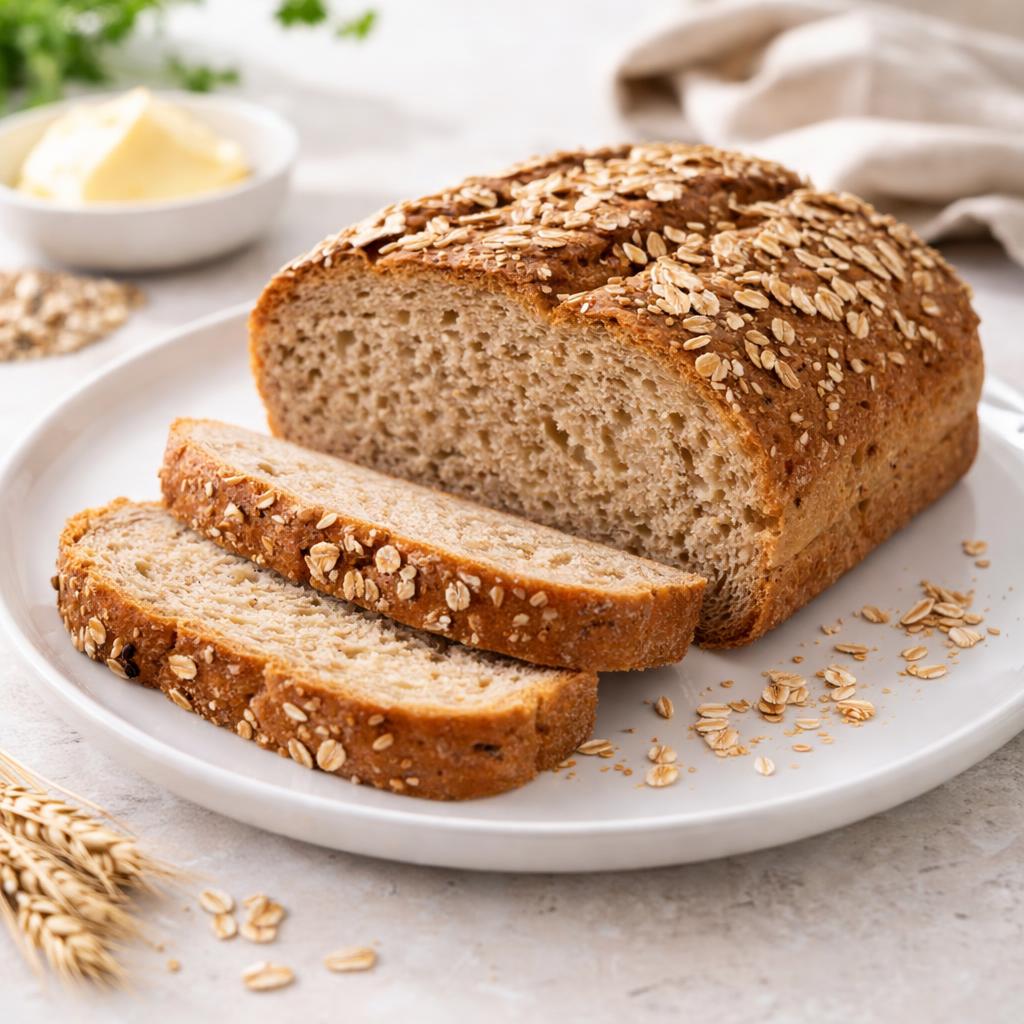
Wholemeal Bread
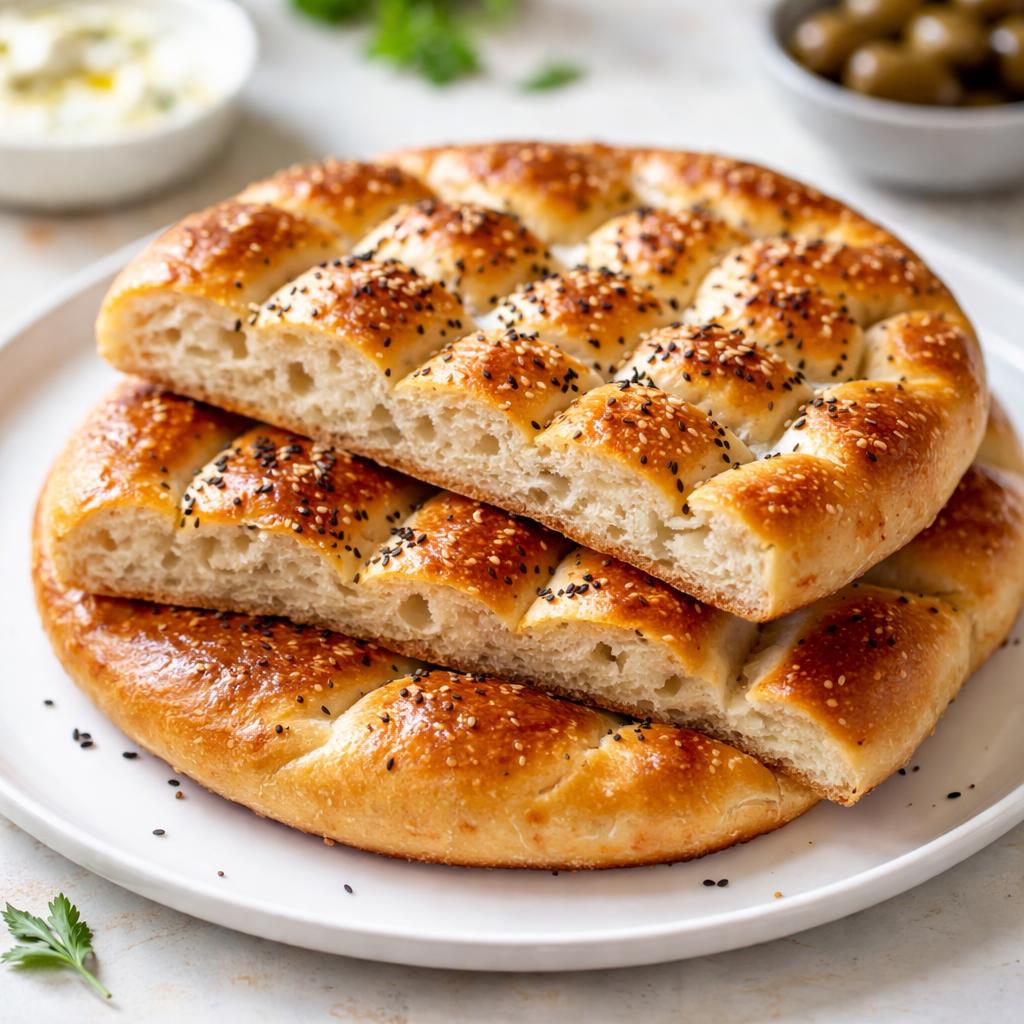
Turkish Bread
🎯 Quick Verdict
Wholemeal bread outperforms Turkish bread nutritionally, being higher in protein and fiber while offering fewer calories per slice. Turkish bread, however, provides more carbs and moderate fats, making it a better energy source for less restrictive diets. Wholemeal bread is ideal for weight-conscious and high-fiber diets, while Turkish bread suits those looking for a softer texture and higher energy intake.

Smart Nutrition Tracking with SnapCalorie

📊 Nutritional Comparison
Macronutrients
| Nutrient | Food 1 | Food 2 | Winner |
|---|---|---|---|
| Calories | 82 | 150 | ✓ |
| Protein | 4g | 3.5g | ✓ |
| Carbs | 14g | 28g | ✓ |
| Fat | 1g | 4g | ✓ |
| Fiber | 2.6g | 1g | ✓ |
Vitamins & Minerals
| Nutrient | Food 1 | Food 2 | Winner |
|---|---|---|---|
| Vitamin D | 0mcg | 0mcg | − |
| Calcium | 67mg | 20mg | ✓ |
| Iron | 0.9mg | 0.3mg | ✓ |
🏆 Category Winners
Protein
Wholemeal bread has 14% more protein per serving.
Fiber
Wholemeal bread is 2.6 times higher in fiber.
Calories
Wholemeal bread has 45% fewer calories.
Vitamins
Wholemeal bread offers more calcium and iron, both vital for bone and blood health.
🥗 Diet Compatibility
Keto
Food 1: Not Compatible
Food 2: Not Compatible
Both are high-carb and unsuitable for keto diets.
Vegan
Food 1: Compatible
Food 2: Compatible
Both breads are typically plant-based.
Gluten Free
Food 1: Not Compatible
Food 2: Not Compatible
Both contain gluten due to their wheat-based ingredients.
Paleo
Food 1: Not Compatible
Food 2: Not Compatible
Grain-based breads are incompatible with paleo standards.
Low Carb
Food 1: Not Compatible
Food 2: Not Compatible
Both breads contain too many carbs for low-carb diets.
💪 Health Benefits Comparison
Food 1 Benefits
- Rich in fiber to promote digestive health
- Lower calorie content, supporting weight management
- Good source of plant-based protein for body repair
- Provides essential minerals like calcium and iron
Food 2 Benefits
- Higher carbohydrate content for sustained energy
- Contains healthy fats that support cellular health
- Soft texture and flavor that appeals to varied tastes
- Suitable as a satiating energy-rich base for meals
✅ The Bottom Line
Choose wholemeal bread for better nutrient density, weight loss goals, and boosting fiber intake. Opt for Turkish bread when you need a more energy-dense option or prefer a softer texture for sandwiches or dipping.
Choose Food 1 for: Weight management, high fiber diets, nutrient-rich snacks
Choose Food 2 for: Energy-rich meals, carb-loading, soft-texture bread options


