Wholemeal Bread VS Sourdough Rye Bread
A detailed nutritional comparison
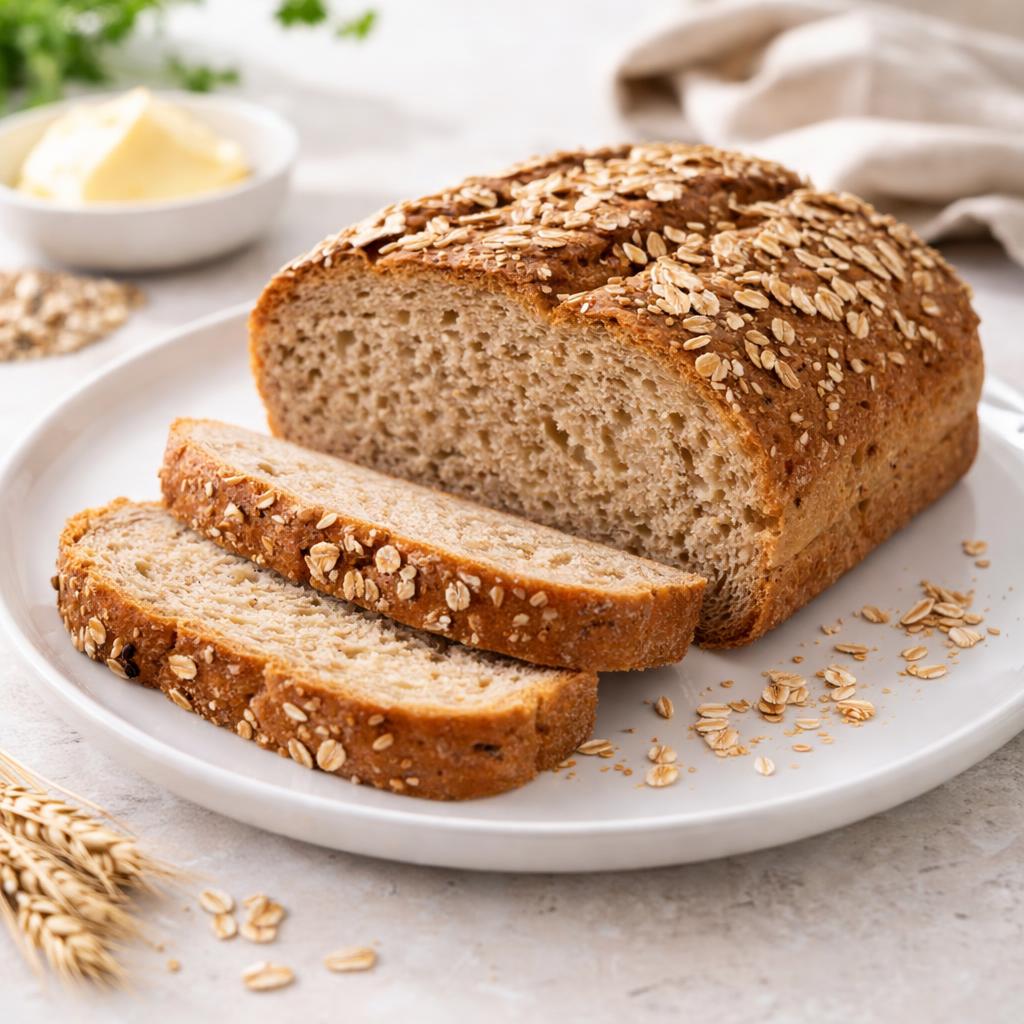
Wholemeal Bread
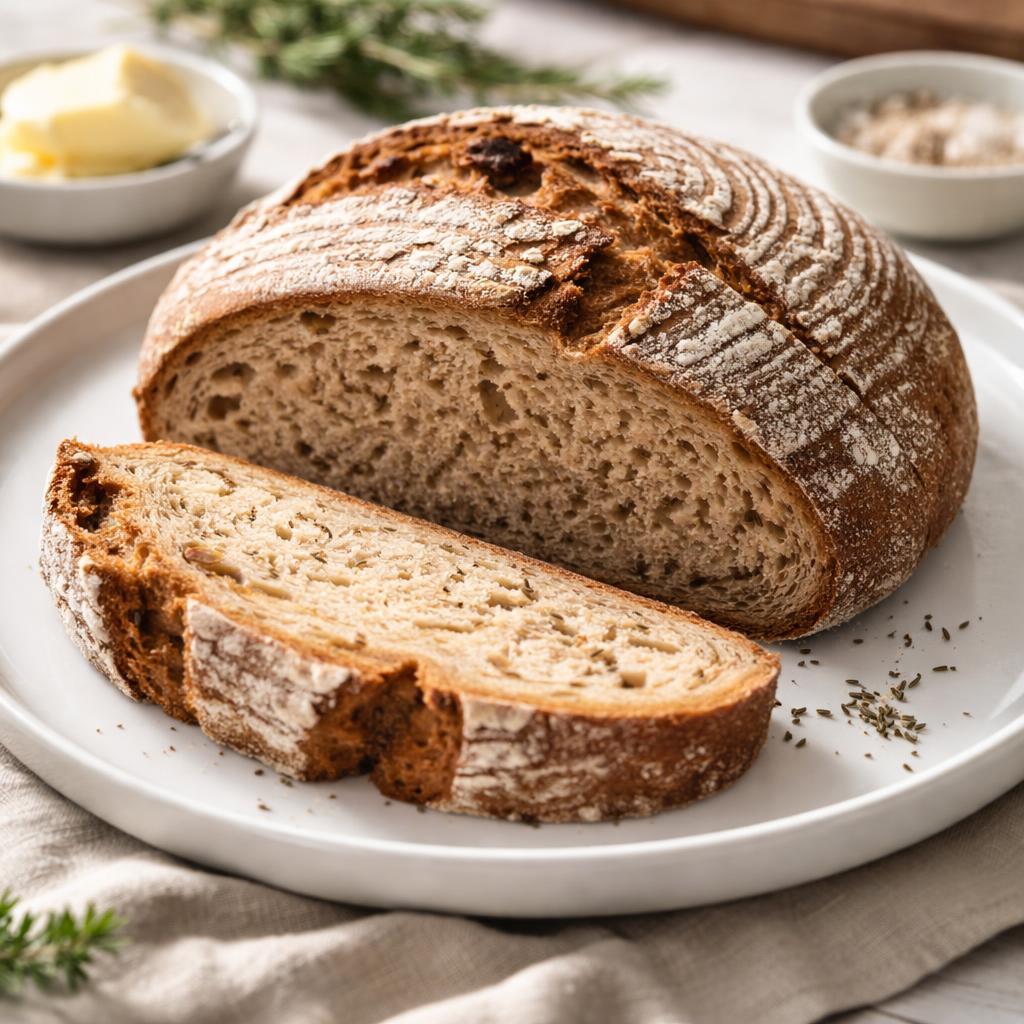
Sourdough Rye Bread
🎯 Quick Verdict
Wholemeal bread is slightly higher in protein and fiber, making it ideal for those focused on satiety and digestive health. Sourdough rye bread is lower in calories and contains more heart-healthy minerals, suitable for nutrient density and energy balance. Both are excellent choices depending on dietary priorities.

Smart Nutrition Tracking with SnapCalorie

📊 Nutritional Comparison
Macronutrients
| Nutrient | Food 1 | Food 2 | Winner |
|---|---|---|---|
| Calories | 225 per slice | 200 per slice | ✓ |
| Protein | 5g per slice | 3.5g per slice | ✓ |
| Carbs | 40g per slice | 38g per slice | ✓ |
| Fat | 1g per slice | 1.5g per slice | ✓ |
| Fiber | 4g per slice | 3g per slice | ✓ |
Vitamins & Minerals
| Nutrient | Food 1 | Food 2 | Winner |
|---|---|---|---|
| Vitamin B6 | 0.1mg | 0.2mg | ✓ |
| Calcium | 20mg | 30mg | ✓ |
| Iron | 2mg | 2.5mg | ✓ |
🏆 Category Winners
Protein
Wholemeal bread provides nearly 43% more protein per slice, benefiting muscle-building needs.
Fiber
Wholemeal bread contains 33% more fiber per slice, supporting better digestion.
Calories
Sourdough rye bread is around 11% lower in calories than wholemeal bread.
Vitamins
Sourdough rye bread offers more calcium, iron, and vitamin B6, supporting bone, blood, and metabolism.
🥗 Diet Compatibility
Keto
Food 1: Not Compatible
Food 2: Not Compatible
Both are high in carbs, unsuitable for keto diets.
Vegan
Food 1: Compatible
Food 2: Compatible
Both breads are plant-based.
Gluten Free
Food 1: Not Compatible
Food 2: Not Compatible
Both contain gluten from wheat or rye.
Paleo
Food 1: Not Compatible
Food 2: Not Compatible
Neither fits paleo guidelines due to grains.
Low-Carb
Food 1: Not Compatible
Food 2: Not Compatible
Carb amounts are too high for a low-carb diet.
💪 Health Benefits Comparison
Food 1 Benefits
- Rich in fiber to promote gut health and regular digestion
- Higher in protein to aid muscle repair and satiety
- Provides antioxidants and B vitamins for overall wellness
Food 2 Benefits
- Contains sourdough fermentation compounds that support gut microbiome health
- Rich in minerals like iron and calcium for bone and blood health
- Lower calorie content, ideal for weight management
✅ The Bottom Line
Both wholemeal and sourdough rye breads are nutritious options, but their suitability depends on dietary goals. Choose wholemeal for higher protein and fiber to promote satiety and digestion, or opt for sourdough rye for lower calories and enhanced nutrient density due to fermentation effects.
Choose Food 1 for: High-fiber diets, satiety improvement, post-workout meal
Choose Food 2 for: Weight management, nutrient-rich diets, sensitive digestion


